Infrared therapy: Everything you need to know!
You are considering an infrared lamp, but every website seems to mention different times and distances. Infrared therapy is a treatment using infrared light that penetrates deep into your skin and muscles as heat. This heat stimulates blood circulation, relaxes muscles, and can relieve pain, for example from muscle tension, joint complaints such as osteoarthritis, and back and neck pain. For home use, you generally apply it for 10 to 15 minutes per body part, 3 to 4 times a week, at a distance of 50 to 100 cm. Below, you can read how infrared light works, what types of radiation there are, and what to consider when using it.
Curious about the benefits of Infrared therapy? This natural treatment provides relief from various complaints and improves your well-being. Read on to discover whether Infrared therapy is right for you.

60-day home trialFree shipping7 years of experience in light therapy
Please note: this information is based on scientific sources, customer experiences and our own knowledge of light therapy. It is not medical advice. If you take medication, have a medical condition or are unsure, talk to your doctor or a specialist first.
What is Infrared therapy?
Infrared therapy is a treatment method that uses Infrared light to allow heat to penetrate deep into the skin and muscles. This type of therapy is particularly known for its relaxing and restorative effects.
The therapeutic heat of Infrared light stimulates blood circulation, helps muscles relax, and can relieve pain. More and more people are using infrared light therapy for their health, ranging from relief from chronic pain to improving the skin.
Is red light therapy the same as infrared?
Although red light therapy and Infrared therapy are often mentioned together, they are different treatments.
- Red Light Therapy: This therapy uses specific wavelengths of red light to penetrate deep into the skin and offers therapeutic benefits for the skin, such as stimulating collagen production and promoting healing.
- Infrared light therapy: This light therapy uses near-infrared light that penetrates deeper into the body and affects tissues, muscles, and joints. It helps reduce pain and improve blood circulation.

Infrared light therapy: How does it work?
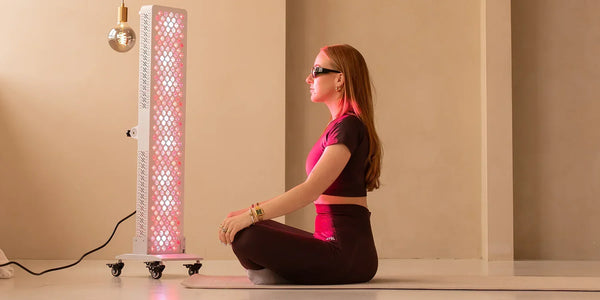
Infrared lamps with heat emit electromagnetic waves that, when they come into contact with the body, are converted into heat. This heat penetrates deep into the skin, providing even and comfortable warming. That is why an infrared lamp is also called a heat lamp.
The heat raises body temperature, stimulating blood circulation, speeding up metabolism and slightly increasing heart rate. This helps eliminate waste products more quickly and contributes to better recovery of tissues and muscles. Infrared light therapy is therefore not only relaxing, but also promotes recovery and overall well-being.
Types of infrared radiation
Infrared lamps can be divided into three different types of radiation:
- IR-A radiation - Short wave (700 - 1400 nm)
- IR-B radiation - Medium wave (1400 -3000 nm)
- IR-C radiation - Long wave (above 3000 nm)

IR-A
IR-A, also known as short-wave infrared radiation, penetrates deepest into the skin and is often used for therapeutic purposes. This radiation helps relieve muscle and joint pain through its powerful action, which lies close to the visible light spectrum.
IR-B and IR-C
IR-B is medium-wave infrared radiation and IR-C is long-wave radiation. IR-B penetrates less deeply than IR-A, but promotes blood circulation and supports the detoxification process.
IR-C, with the least deep action, is ideal for superficial heat treatments such as skin cleansing and relaxation, as it opens the skin pores and stimulates circulation.
Who is the treatment suitable for: Applications
Infrared therapy is an effective and versatile treatment for various health complaints and wellness needs. The use of infrared heat lamps helps relieve muscle tension, promotes better blood circulation and supports deep relaxation.
These properties make Infrared therapy particularly suitable for pain relief in conditions such as arthritis, back pain and sports injuries.

For supple muscles
The heat of infrared radiation penetrates deep into the skin and muscles, effectively helping to relieve pain and tension in joints and tissues. This makes Infrared therapy ideal for people with fibromyalgia and rheumatism, as it relaxes the muscles and reduces stiffness. Unlike traditional heating methods, infrared radiation heats the body directly without warming the surrounding air, ensuring targeted and efficient action.
For joint pain
Infrared heat therapy can provide relief for chronic joint pain, such as that caused by osteoarthritis. The deep warmth improves circulation in the joints, helping to reduce stiffness and pain. The gentle, direct warmth also makes the therapy suitable for daily use without putting strain on the joints.
For the face
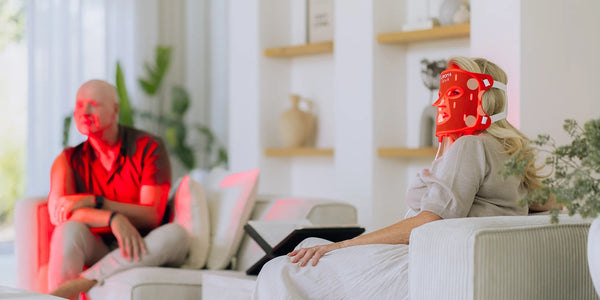
Infrared therapy is becoming increasingly popular in skincare routines. Regular exposure to infrared radiation can improve blood circulation and stimulate cell renewal, helping to reduce fine lines, wrinkles, and other signs of skin aging. Infrared light can also have a positive effect on skin problems such as acne and scars.
For back and neck pain
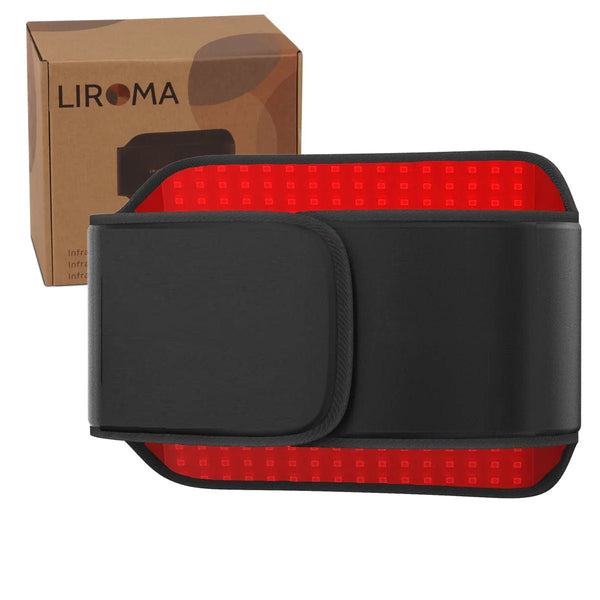
Infrared therapy provides relief for people with chronic back and neck pain. A special infrared back belt can help reduce pain and muscle tension in the back, neck, and shoulders. This belt provides targeted warmth and improves circulation, making it ideal for home use and offering an effective approach to everyday tension and pain.
In short, Infrared therapy offers a natural and effective solution for both physical and cosmetic concerns and supports an overall sense of well-being.

Infrared light: How often and how long per day?
For safe and optimal use of Infrared therapy, it is important to maintain the right duration and frequency. Start with short sessions of 5-10 minutes and gradually build up to around 10-15 minutes per session, depending on your goal and the type of lamp.
Listen to your body
There is no fixed ‘one-size-fits-all’ rule for duration and frequency. The most important thing is to listen carefully to your body: stop immediately if you experience discomfort and always consult a healthcare professional if in doubt, especially if you have health problems.
How often?
Start with a few times per week and avoid multiple sessions per day on the same area. Once you have become accustomed to it, you can build up to 3-4 times (or even 4-6 times) per week for optimal results.
Distance
Keep a distance of approximately 50-100 cm from the lamp. Being too close can cause skin irritation, while being too far away reduces its effectiveness. Always follow the manufacturer's instructions and do not aim the lamp directly at sensitive areas such as the eyes.
In summary:
- Time: 10-15 minutes per session per body part
- Frequency: 3-4 times per week
- Distance: 50-100 cm from the body

Practical tips for using an infrared lamp
To get the most out of it and stay safe, follow these guidelines:
- Create a calm environment without distractions.
- Ensure good ventilation to regulate heat.
- Use a timer and hydrate well after sessions.
- Maintain the lamp according to the instructions for long-lasting performance.
Are there any side effects or disadvantages?
In general, infrared heat lamps are considered safe when used according to the manufacturer's instructions. The radiation they emit is comparable to the heat we feel from the sun, but without the harmful ultraviolet radiation.
Where to buy?
Want to experience Infrared therapy at home? Infrared heat lamps are now widely available, but at Liroma you'll find the best quality and expertise. With a wide range of lamps for skincare, muscle recovery, and well-being, you'll always find the right model at Liroma.
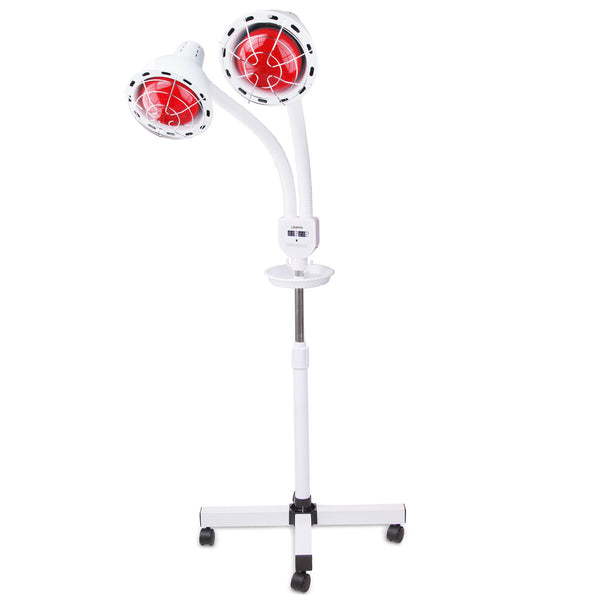
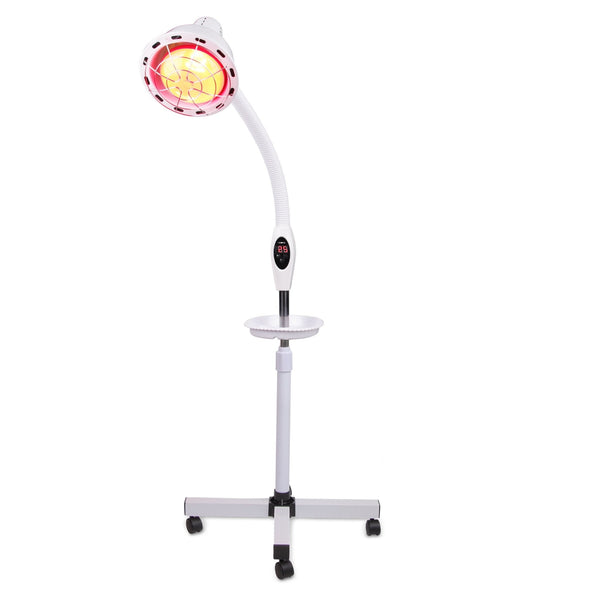
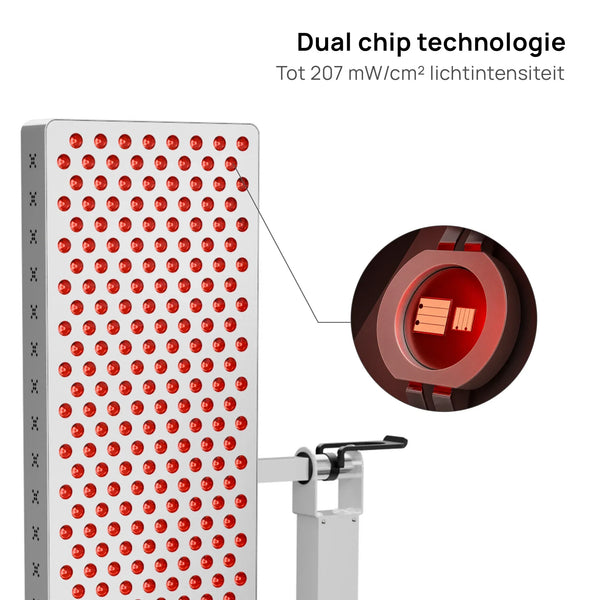
Liroma's lamps are easy to use: thanks to the adjustable arm and mobile base, you can direct the light exactly where you need it. With the remote control, you enjoy complete control and comfort. Experience light therapy at its best, right from home with Liroma.
Want to try it yourself? View Liroma's infrared heat lamps. You have 60 days to test at home whether it's right for you.
View the infrared heat lamps