Infrared lamp applications: 5 popular ways to use them
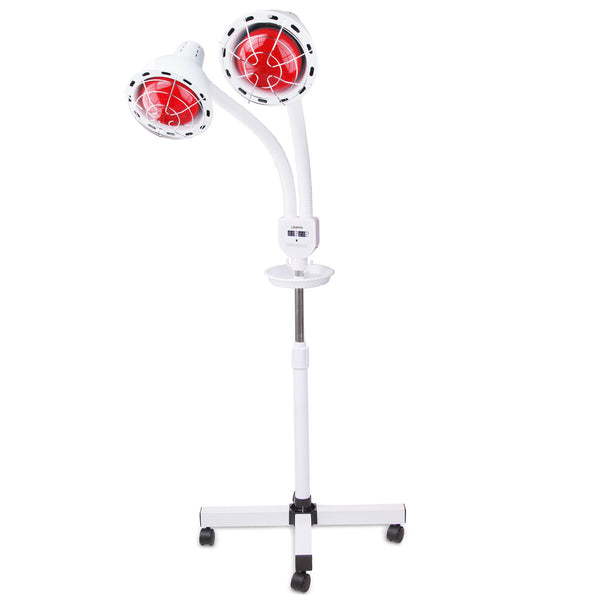
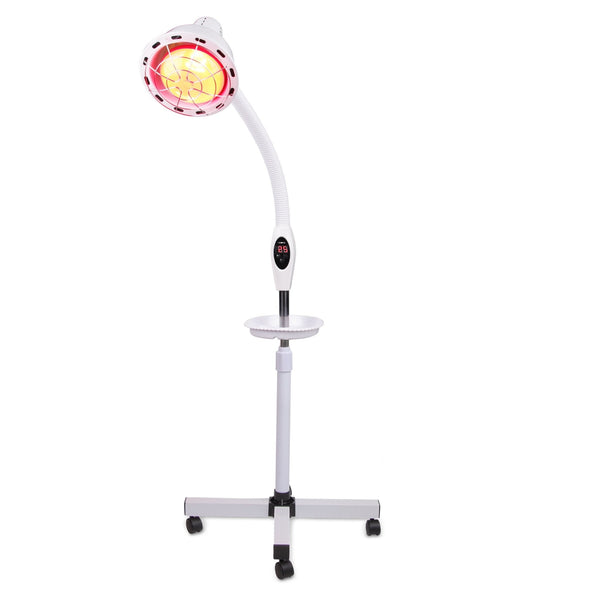
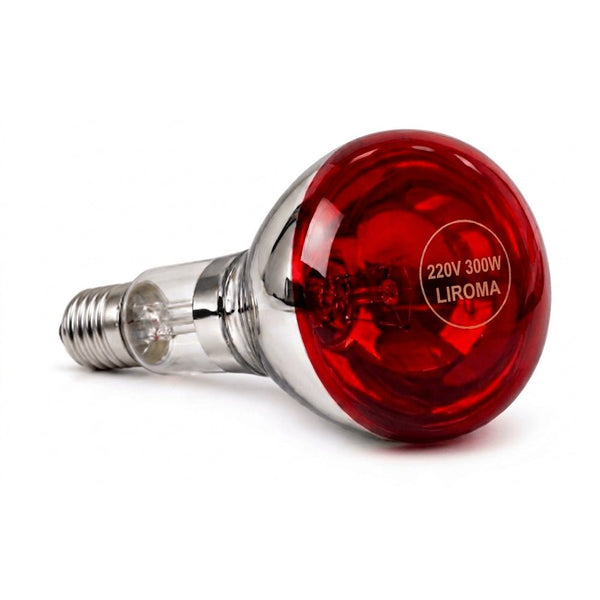
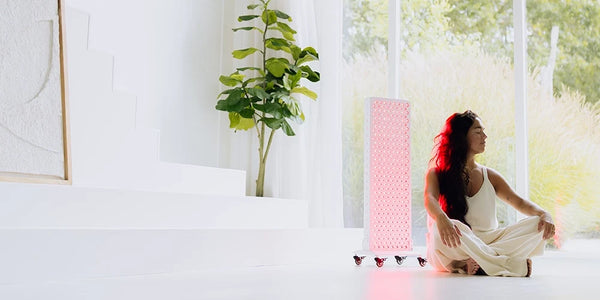
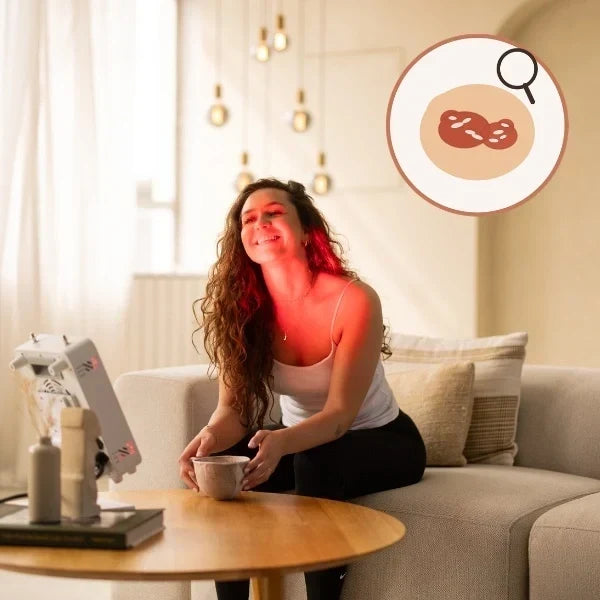
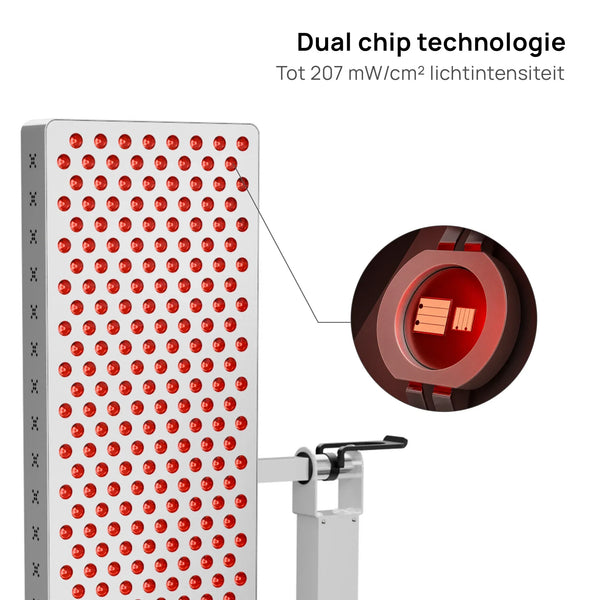
The lamp is in the cupboard, and you actually only use it when you have neck pain. An Infrared lamp with heat is mainly used for five things: supple muscles, joint complaints such as osteoarthritis and arthritis, back and neck pain, facial skin, and general relaxation. The heat penetrates deeply into muscles and joints, improves circulation, and warms the body directly without first heating the air. Keep the lamp 50 to 100 centimeters away, use it for 10 to 20 minutes per session and 3 to 5 times per week, and results are often noticeable after a few weeks. Below, you can read what Infrared light does for each application.
Infrared therapy may sound a little high-tech, but it is actually a surprisingly simple and natural way to support your body. The heat penetrates deeply into muscles and joints, stimulates circulation, and promotes relaxation from within.
Whether you suffer from stiff muscles, joint pain, skin problems, or simply want some extra relaxation: Infrared lamps with heat can do a lot for you. In this blog, we have listed the most common applications of Infrared light for you in a clear overview.

60-day home trialFree shipping7 years of experience in light therapy
Please note: this information is based on scientific sources, customer experiences and our own knowledge of light therapy. It is not medical advice. If you take medication, have a medical condition or are unsure, talk to your doctor or a specialist first.
1. For supple muscles
The heat from infrared radiation penetrates deeply into the skin and muscles, effectively helping to relieve pain and tension in joints and tissues. This makes Infrared therapy ideal for people with fibromyalgia and rheumatism, as it relaxes the muscles and reduces stiffness.
Unlike a hot-water bottle or heating pad, infrared radiation warms the body directly without first heating the air. This makes the effect more targeted and noticeable more quickly.
Extra benefit: the heat also helps remove lactic acid and waste products, allowing muscles to recover more quickly after exertion and nutrients to reach the cells more effectively.
2. For joint complaints
For conditions such as osteoarthritis or arthritis, infrared heat can provide relief. Due to its deep-acting effect, it improves circulation in the joints, reducing stiffness and making movement easier. The gentle, direct heat also makes this therapy suitable for daily use without placing additional strain on the joints.
Many users find that regular application not only relieves pain but also improves mobility. This makes infrared a valuable complement to other treatments.

3. For back and neck pain
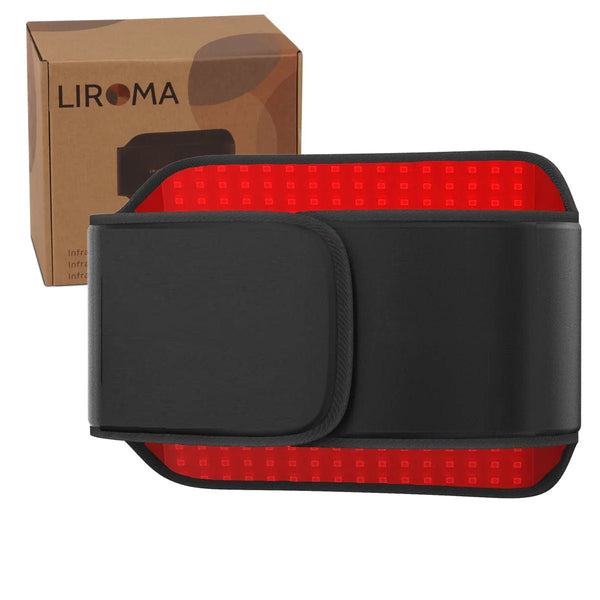
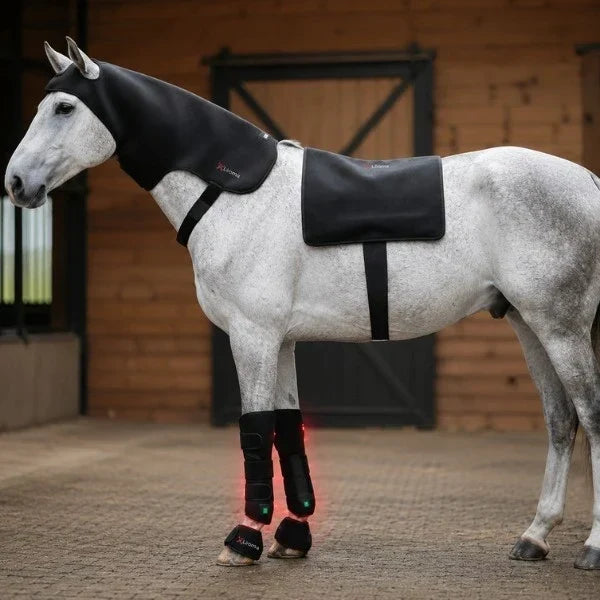
Many people use Infrared therapy for back and neck complaints. An Infrared lamp with heat or special back brace provides targeted heat, relaxing the muscles and improving circulation. This helps not only with pain but also with the stiffness that often accompanies long-term complaints.
The major advantage is that infrared reaches the deeper muscle layers that often become tense due to stress or poor posture. Regular use can therefore contribute to greater freedom of movement and more comfort in everyday life.
4. For the face
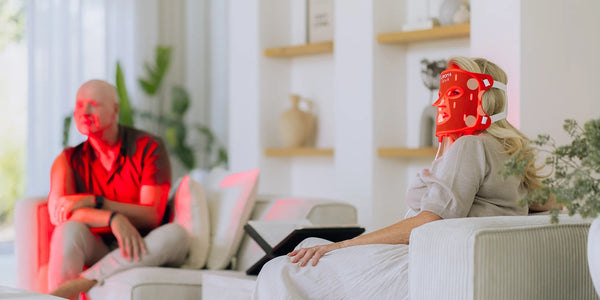
Infrared therapy is increasingly becoming part of skincare routines. Regular use can improve blood circulation and stimulate cell renewal, making the skin firmer, smoother, and more even. Fine lines and wrinkles become less visible, and the skin gains a healthier appearance.
Infrared light can also provide support for skin problems such as acne and scars, as it speeds up the recovery process and reduces inflammation. For many users, it is a natural way to improve the skin without aggressive treatments.

5. General relaxation & well-being
In addition to the physical benefits, many people also use Infrared light as a way to relax. The deep warmth has a calming effect on the body and can help with stress reduction.
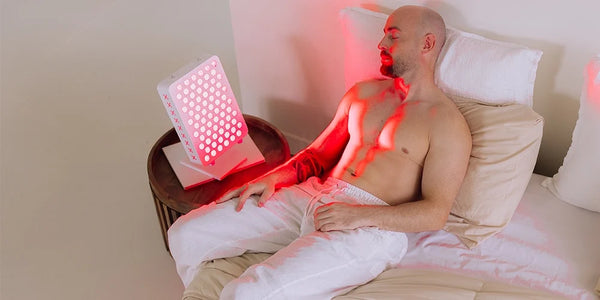
Some users notice that they fall asleep more quickly after an infrared lamp session and wake up feeling refreshed. A natural way to restore your daily balance.
Summary & advice
From supple muscles to improved skin and from joint pain to relaxation: Infrared therapy is versatile and easy to use at home. With an Infrared lamp with heat, you can bring a little wellness and recovery into your home.
How to use an Infrared lamp with heat:
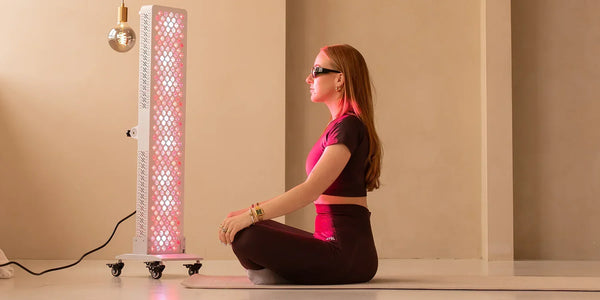
- Keep the lamp 50–100 cm away from the area being treated
- Use the light for 10–20 minutes per session
- Repeat this 3–5 times per week
- Results are often noticeable after a few weeks of regular use
At Liroma, we believe that Infrared therapy is a valuable addition to a healthy lifestyle. Would you like to know which lamp best suits your complaints or needs? Feel free to contact us for personal advice.
Want to try it yourself? Discover Liroma's Infrared lamps with heat. You have 60 days to test at home whether it suits you.
View the Infrared lamps with heat