Light therapy for sleep problems: sleep better with red light
Red light from 610 to 750 nm does not suppress melatonin production, unlike the blue light from screens. It promotes relaxation and reduces alertness, making it easier to fall asleep; it does not work as a sleep aid, but it does not disrupt your rhythm either. In practice, you use bright light for 20 to 30 minutes in the morning to stabilize your rhythm and red light for 30 to 60 minutes in the evening to relax. Below, you will read how your biological clock works, what the studies show and how to use the lamps.
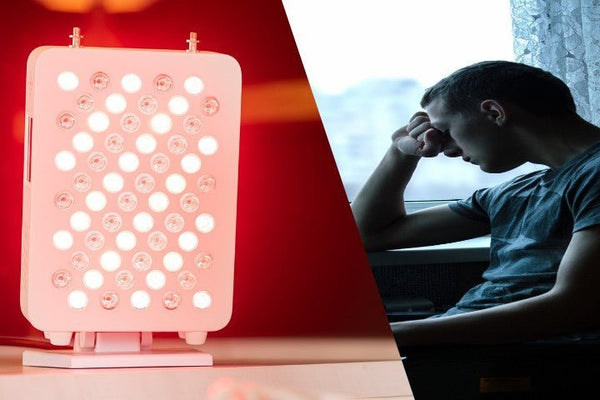
A poor night's sleep can affect your entire day. Waking up tired, having difficulty concentrating, feeling irritable or simply being unable to relax in the evening are complaints that occur far more often than you might think.
What many people do not know is that light is one of the most powerful factors influencing your sleep rhythm. And that is precisely where light therapy comes in, but how does it work?
Note! The text below is not intended as medical advice. This text has been compiled based on our own knowledge, user experiences and various scientific sources.
Table of contents

60-day home trialFree shipping7 years of experience in light therapy
Please note: this information is based on scientific sources, customer experiences and our own knowledge of light therapy. It is not medical advice. If you take medication, have a medical condition or are unsure, talk to your doctor or a specialist first.
What is light therapy and how does light affect your sleep?
Light therapy uses specific wavelengths of light to support your biological rhythm. During the day, bright light helps your body stay awake and alert. In the evening, your body needs calming light that does not disrupt melatonin production.
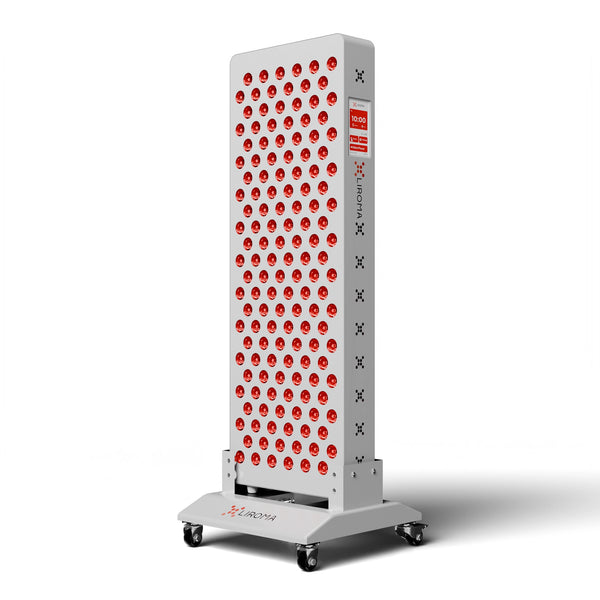
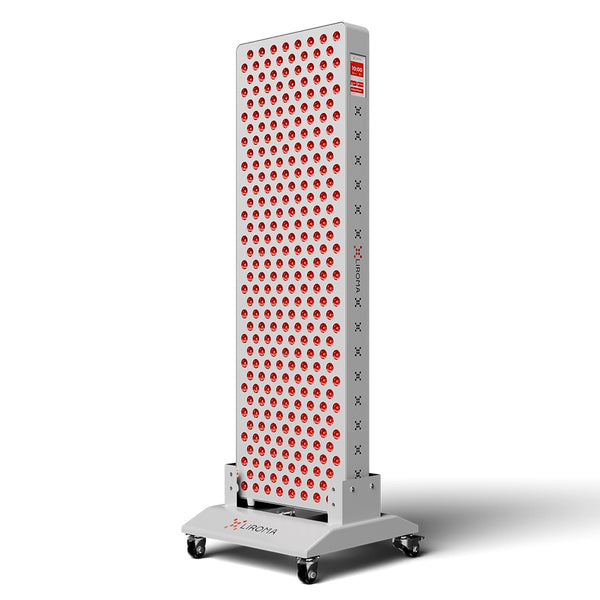
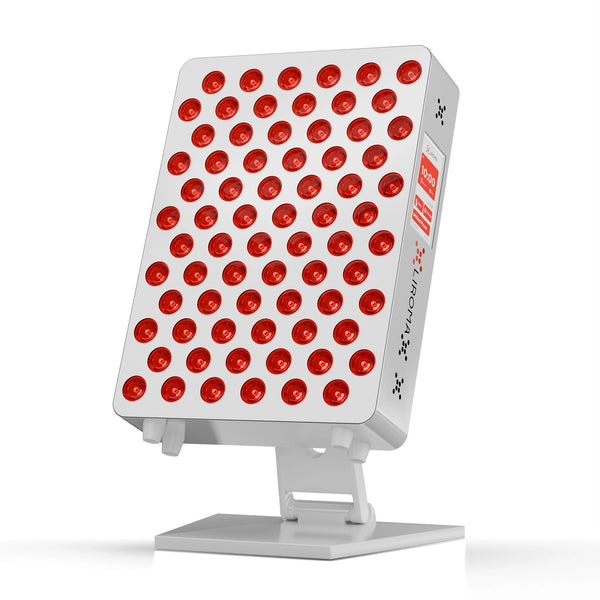
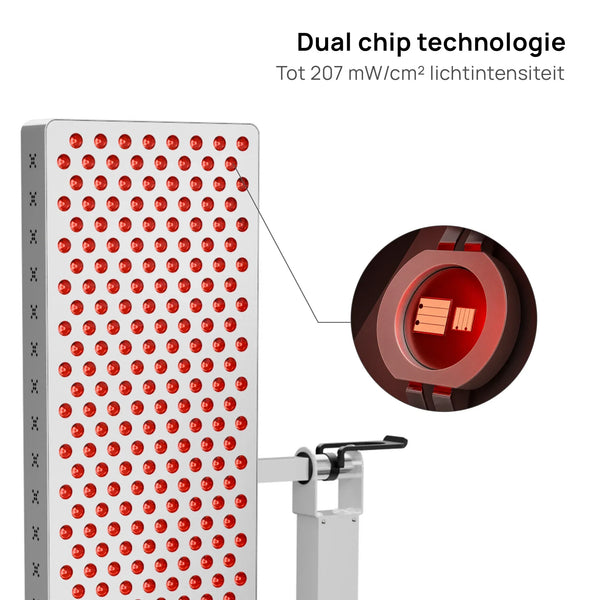
Light is the most important “time cue” for your internal clock. When your body receives the right light at the right time, your sleep-wake cycle functions optimally. At Liroma, we work with high-quality red light lamps that act precisely on these mechanisms.
How does your biological clock work (circadian rhythm)
In your brain is the suprachiasmatic nucleus, the center that determines when you should be awake and when you should sleep. This rhythm is controlled by:
- Melatonin: the hormone that makes you sleepy
- Cortisol: the hormone that makes you alert
- Light signals: blue light in particular suppresses melatonin and keeps you awake
When this rhythm is disrupted by screen use, irregular working hours, or insufficient daylight, sleep problems arise.

How does blue light affect your sleep?
Blue light (400–500 nm), emitted by phones, laptops, TVs, and much artificial lighting, is a powerful suppressor of melatonin. It signals to your brain that it is “daytime,” even when it is dark outside.
Consequences of too much blue light in the evening:
- Difficulty falling asleep
- Restless sleep
- Disrupted sleep cycles
- Daytime fatigue
That is why limiting blue light in the evening is one of the most important steps toward better sleep.
Does red light help you sleep better?
Red light (610–750 nm) has a completely different effect on your body than blue light. It:
- does not suppress melatonin,
- promotes relaxation,
- reduces alertness,
- supports recovery processes in the body.
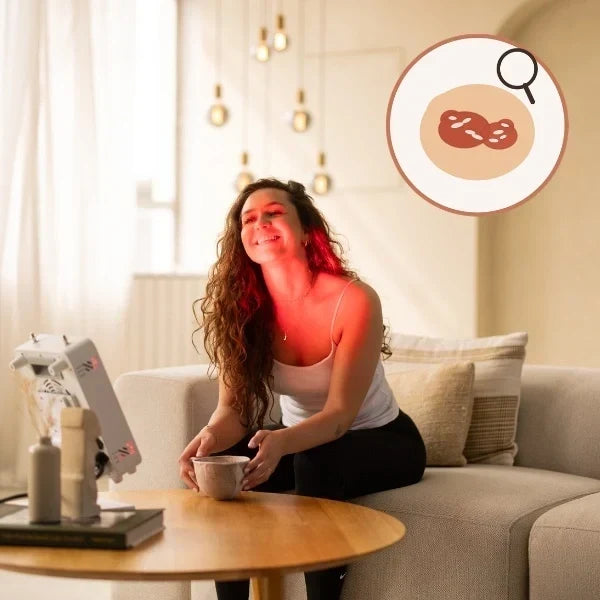
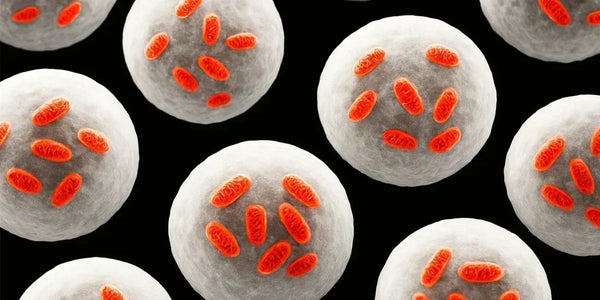
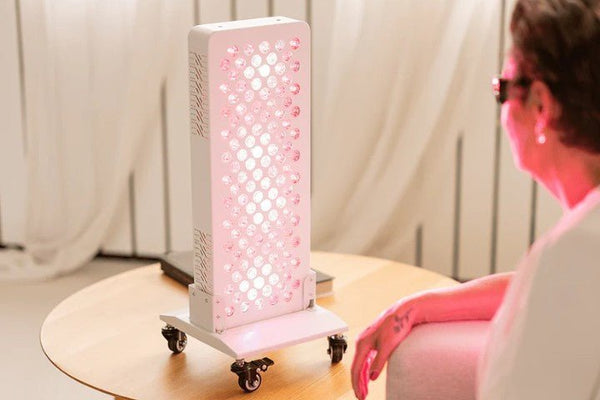
Red light gently penetrates the skin and stimulates cells to work more efficiently, without activating your brain like blue light does. That is why red light is ideal for the evening, both as lighting and as therapy.
View all Red Light Therapy panels

What does the science say?
Although research is still developing, several promising studies have been conducted:
- 2012, Chinese female athletes: Red light (30 min per day, 14 days) improved sleep quality, melatonin levels, and endurance.
- Another small-scale study from 2017 suggested that the color of light plays an important role in falling asleep, with personal preference also potentially influencing which color works best.
- 2021, Study on light and circadian sensitivity: Red light activates the biological clock much less strongly than blue light, making it suitable for evening use without disrupting your rhythm.
Important to know: red light does not actively promote sleep like a sleeping pill would, but it does not disrupt your rhythm and creates the ideal conditions for falling asleep naturally.
Can light therapy help with specific sleep disorders?
Delayed sleep phase (DSPD)
People with DSPD do not fall asleep until late and wake up late. Morning light therapy helps shift the rhythm earlier.
Advanced sleep phase (ASP)
In this case, you become sleepy too early and wake up too early. Evening light therapy helps delay your rhythm.
Seasonal affective disorder (SAD)
Due to a lack of daylight in winter, your rhythm can become disrupted. Light therapy reduces depressive symptoms and improves sleep quality.

How do you use the lamps?
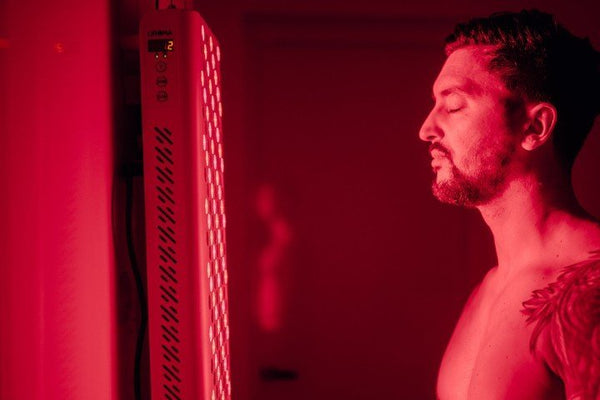
- Morning light: 20–30 minutes of bright light to stabilize your rhythm.
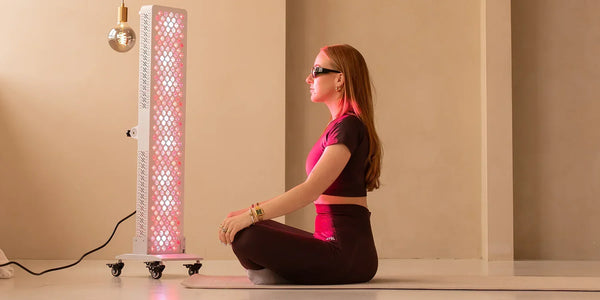
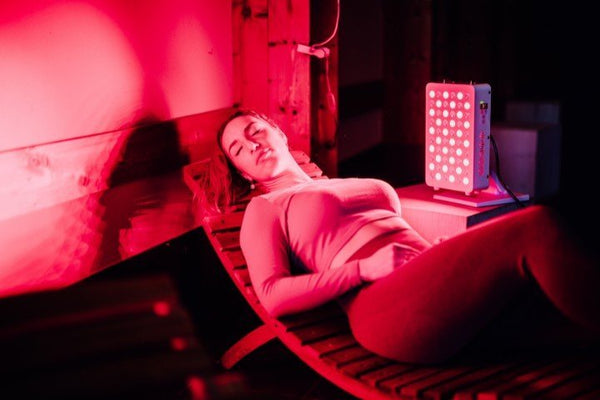
- Red light in the evening: 30–60 minutes for relaxation.
- Avoid bright blue light in the evening.
- Use eye protection with certain devices.
- Consistency is essential: daily use delivers the best results.
Practical tips for better sleep
- Avoid screens 1–2 hours before bedtime
- Use red light in your bedroom
- Get morning sunlight or use a daylight lamp
- Keep your bedroom cool and dark
- Keep regular bedtimes
- Build a calm evening routine
Conclusion
Light therapy is a powerful, scientifically supported way to improve your sleep. By making smart use of morning light and red light in the evening, you can reset your biological clock, support melatonin production, and wake up feeling refreshed again.
Red light is safe, relaxing, and a valuable addition to your evening routine.
Want to try it yourself? Explore Liroma's red light lamps for your evening routine. You have 60 days to test at home whether it suits you.
View for sleep