

Red Light Therapy by Liroma, the standard
- 60 days Not satisfied? Get your money back!
- 41.000+ Satisfied customers
- Delivered tomorrow Free shipping
- 7 years specialist
Also known as photobiomodulation
What is Red Light Therapy?
Red Light Therapy uses a special panel filled with LED lights that emit red light and NIR infrared light at specific wavelengths. This light penetrates deep into your cells and helps your body produce more energy, restore your skin, and reduce pain.
This painless treatment, suitable for athletes, people experiencing pain, and anyone who wants healthier, younger-looking skin, contains no harmful UV radiation and does not get hot.
What was once only available to NASA is now possible in your own home thanks to Liroma!

What would you like to work on?
Choose your complaint and immediately find the right products
Multiple lamps have multiple benefits
PAIN RELIEF
Back, neck, and shoulder pain
Red light and infrared light penetrate deeply into muscles and joints. For back pain, neck pain, and shoulder pain, this targeted light supports natural recovery and reduces stiffness.
- Supports recovery and relaxation
- More mobility, less stiffness
- Daily for 10 to 20 minutes
-
Save €150,00
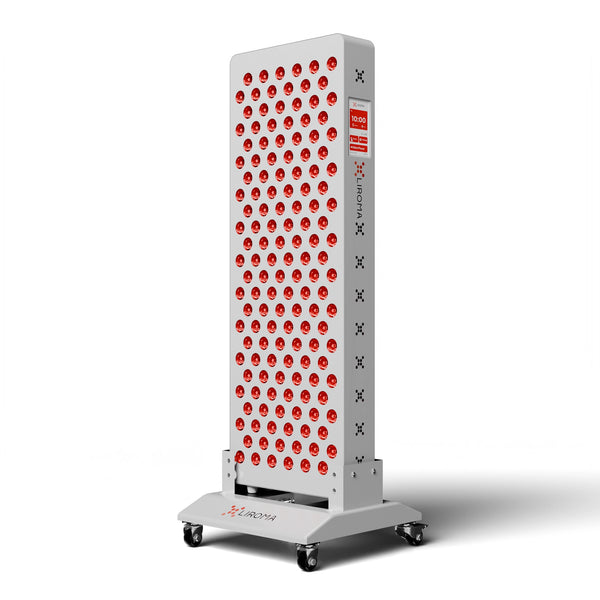 PrimeFORCE Advanced Gen5 (Red Light Therapy)€855,00
€705,00
PrimeFORCE Advanced Gen5 (Red Light Therapy)€855,00
€705,00
-
Save €280,00
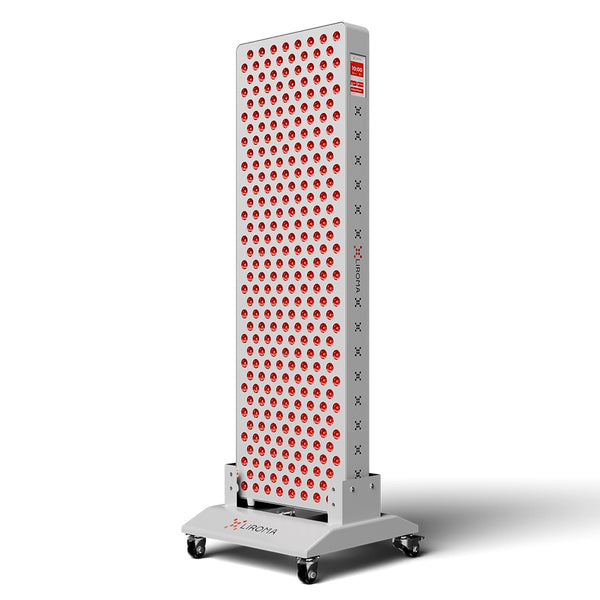 PrimeFORCE Elite Gen5 (Red Light Therapy)€1.685,00
€1.405,00
PrimeFORCE Elite Gen5 (Red Light Therapy)€1.685,00
€1.405,00
-
Save €20,00
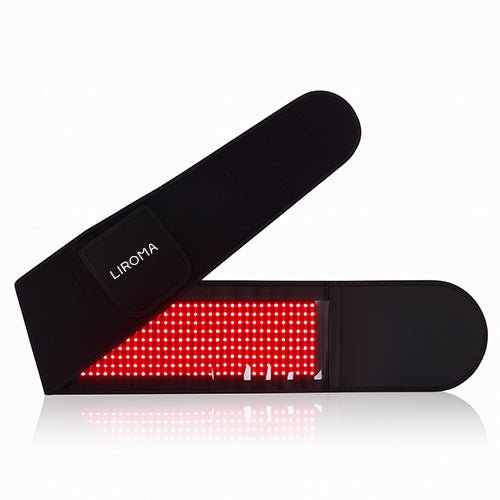 SHIELD Back Band (Red Light Therapy) – Ideal for home€285,00
€265,00
SHIELD Back Band (Red Light Therapy) – Ideal for home€285,00
€265,00
-
Save €70,00
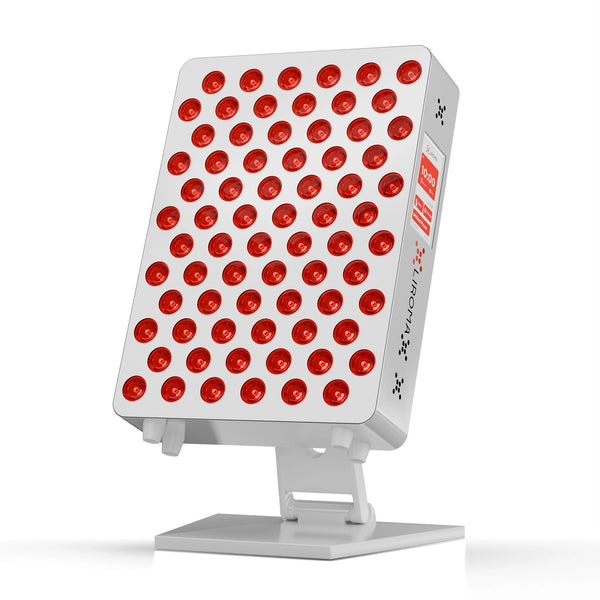 PrimeFORCE Compact Gen5 (Red Light Therapy)€605,00
€535,00
PrimeFORCE Compact Gen5 (Red Light Therapy)€605,00
€535,00
-
Save €50,00
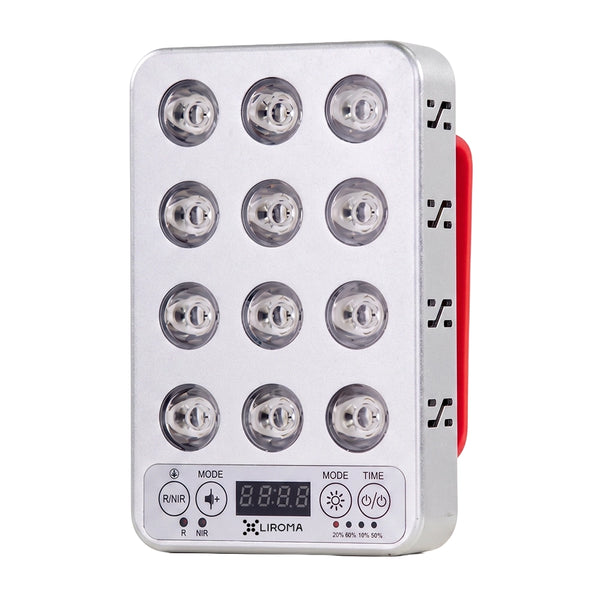 Portable Prime (Red Light Therapy)€295,00
€245,00
Portable Prime (Red Light Therapy)€295,00
€245,00

Not sure which panel fits?
On the comparison page all panels stand side by side, grouped by the body area you want to treat. For each panel you see the treatment area, the wavelengths and the treatment time.
Compare the panelsFOR A RADIANT COMPLEXION
Skin and Anti-Aging
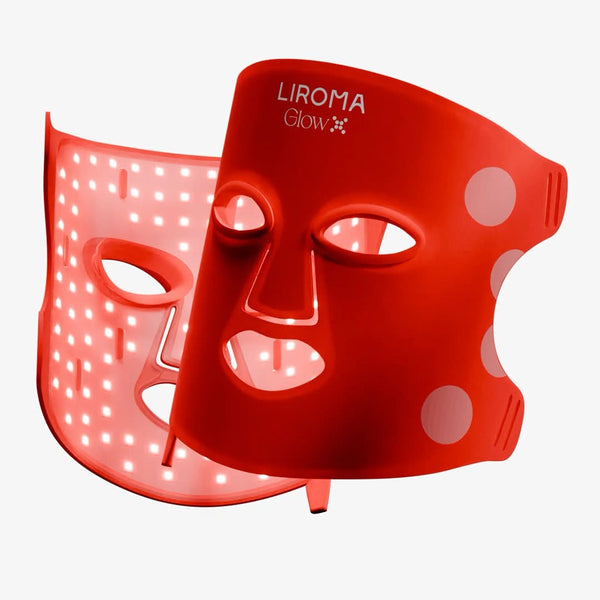
Red Light Therapy stimulates collagen production and supports skin repair. For wrinkles, acne, and dull skin, this targeted light helps create a more even complexion and firmer, younger-looking skin.
- Stimulates collagen production
- Reduces acne and blemishes
- Helps create more even, radiant-looking skin
 CE & ROHS certified
 EMC Approved
 LVD Safety Compliant
REST AND RHYTHM
Sleep and relaxation
Supports melatonin production and helps the body relax for a more restful sleep pattern.
Everything for sleep and relaxationFASTER RECOVERY
Muscle recovery and sports
Supports post-workout recovery, reduces muscle soreness, and improves circulation.
Everything for muscle recovery and sportsMOVE SMOOTHLY
Joint pain
Supports flexible joints and reduces the feeling of stiffness in the knees, hips, and hands.
Everything for joints
Join more than 41,000 others!




Our bestsellers
Discover the PrimeFORCE Gen5 series
8 individually adjustable wavelengths, dual-chip LEDs and independently measured by a laboratory in the US. Our most powerful light ever, from compact to full-body.
- 8 carefully calibrated wavelengths
- Flicker-free technology, EMF virtually 0
- 60-day trial, up to 3-year warranty
Learn more about red light therapy
-
 Red light therapy for knee pain and knee osteoarthritis
-
 Is red light therapy nonsense? An honest answer
-
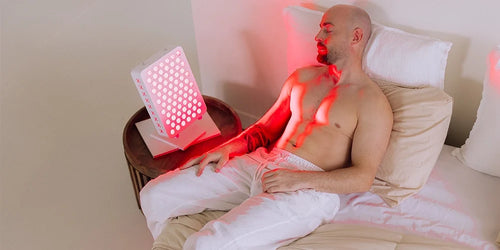 Your first 30 days with red light therapy: week by week
-
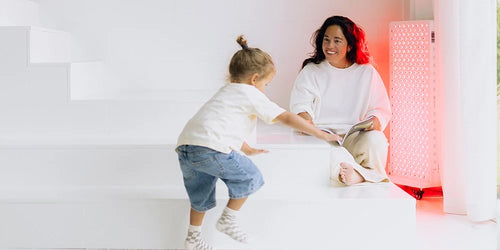 Infrared and red light for rheumatism: what can you expect?
-
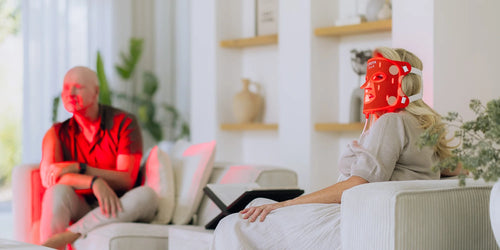 Red Light Therapy for dry skin: Does it really work?
-
 Red Light Therapy for psoriasis: what does the science say?
-
 Infrared therapy for horses: how it works, benefits, and use
-
 What are the disadvantages of red light therapy?
-
 Is red light therapy proven to be effective?
-
 Why You Shouldn’t Buy a Cheap Red Light Therapy Panel


Frequently asked questions
Market leadership: Liroma is the market leader in the Netherlands and Belgium, indicating reliability and quality. As customers increasingly choose Liroma, this points to a solid reputation and customer satisfaction.
Wide range: Liroma offers a wide range of products, from panels to LED masks and back straps. This ensures that you can choose the product that best suits your specific needs.
Innovation and technology: Liroma continues to improve and innovate its technology to increase the effectiveness of light therapy. This ensures that you can benefit from the latest innovations in the field.
Ease of use and accessibility: Liroma's products are designed to be easy to use, whether you are treating yourself at home or in a professional setting.
Positive customer reviews: The growing number of positive reviews on platforms such as Trustpilot demonstrates customer satisfaction, which is an important sign of a reliable choice.
Customer service: At Liroma, customer service is our number one priority. We answer all your questions within 24 hours and are available daily by email or phone to help you.
Focus on quality: As the market leader, Liroma is often able to maintain the highest quality standards, which is crucial for the effectiveness of red light therapy.
The recommended duration of a session is usually between 10 and 15 minutes at a distance of 50 cm. At a greater distance, you can sit in front of the lamp a little longer, approximately 15–20 minutes at 100 cm.
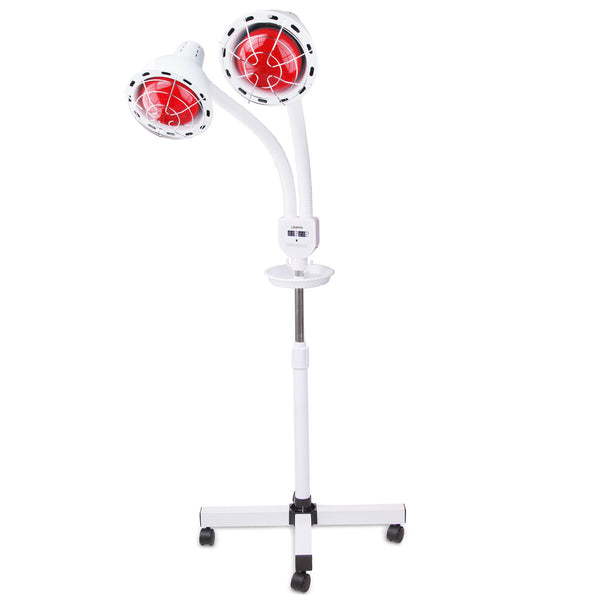
For red light panels, it is generally recommended to maintain a distance of 30 - 50 cm. For single- or double-head infrared heat lamps, a greater distance applies: 50 to 100 cm, optimally 60 to 80 cm. Some products, such as LED face masks, can be used closer to the skin. For products that require a different distance, this is clearly stated on the product page. Learn more?
Although there are no strict rules, regular use is recommended. Start with shorter sessions to let your body get used to it. Listen carefully to your body.
You can gradually adjust the number of sessions based on your comfort level. For the best effect, at least 4-6 times per week is recommended.
The recommended frequency and duration of use may vary depending on the user’s specific needs and goals. In general, it is recommended to use red light therapy at least 4-6 times per week, with sessions lasting 10–20 minutes at a distance of 30–50 cm
Red light and near-infrared light (NIR) penetrate deep into the skin and are absorbed by the cells.
Light in the red and NIR spectrum can penetrate the skin to a depth of approximately 5 to 10 millimeters, allowing it to reach deeper tissues.
Once inside the cell, the light is absorbed by the mitochondria, the powerhouses of the cell.
Mitochondria contain a light-absorbing enzyme called cytochrome c oxidase, which plays a crucial role in producing adenosine triphosphate (ATP), the primary energy source for cellular processes.
The absorption of light by cytochrome c oxidase stimulates the mitochondria to produce more ATP.
ATP is essential for numerous cellular functions, such as repair, regeneration, and normal cell function. With more energy available, cells can function more efficiently and recover from damage more quickly.
Red Light Therapy increases ATP production and improves cellular functions, leading to accelerated tissue repair and regeneration. This results in faster wound healing, reduced scarring, and improved skin health.
The anti-inflammatory effects of photobiomodulation relieve pain, reduce swelling, and improve joint and muscle function. In addition, the therapy supports the immune system, promotes muscle recovery, helps with chronic pain, and improves overall energy and vitality.
There are no known negative side effects, making it a safe option for a wide range of users. In addition, our devices are easy to use and come with clear instructions for correct and safe application. Learn more?
Maintaining a red light therapy panel is essential to ensure that it continues to function optimally and has a long lifespan. Here are some tips for proper maintenance:
- Clean it regularly with a soft, dry or slightly damp cloth (no harsh cleaning products).
- Avoid damp areas, such as the bathroom.
- Regularly check the cables and plugs for wear.
- Allow the panel to cool down after use.
- Follow the manufacturer's maintenance guidelines.
Red light and near-infrared light (NIR) are both forms of light that fall within the electromagnetic spectrum, but they differ in wavelength and how they are absorbed by the body.
1. Wavelength
Red light has a wavelength between 600 and 700 nanometers (nm), and it is visible to the human eye. It has a warmer, more visible appearance.
Near-infrared light has a longer wavelength of 700 nm to approximately 1,200 nm. This lies just outside the visible spectrum, making it invisible to the human eye, but it still has a great deal of energy and can penetrate deeper layers of the body.
2. Penetration into the body
Red light penetrates the skin to a depth of approximately 5 millimeters. It is primarily used to stimulate the superficial layers of the skin, such as improving skin texture, promoting collagen production, and reducing inflammation.
Near-infrared light can penetrate more deeply, up to 2-3 centimeters into the body. It is often used for muscle recovery, joint pain, and improving blood circulation in deeper tissues.
3. Applications
Red light is often used for skin care and promoting healthy skin, for example by stimulating collagen production and reducing inflammation.
Near-infrared light is often used for deeper tissue recovery, such as muscle and joint pain, promoting blood circulation, and accelerating recovery after physical exertion or injuries.
4. Effects on the body
Both types of light have therapeutic effects, such as promoting cell recovery and reducing inflammation. Near-infrared light, however, has a greater effect on deeper tissues and is often used for pain relief, while red light is more focused on skin improvement and superficial regeneration.
In general, they are often used together in combination therapies to benefit from both superficial skin improvement and deep tissue therapy.
Users of our panels notice improvements in pain relief, inflammation, and mobility within just a few days.
Our surveys show that 94% of customers experience pain relief within the first 4 weeks of regular use. Consistency is important for the best results.
We recommend treating one body part per day. Treating multiple body parts on the same day is therefore certainly possible.


