Red light for the eyes: is it dangerous or beneficial?
You turn on the panel and instinctively close your eyes, without knowing whether that is necessary. Red light is not inherently dangerous to your eyes. Research focuses mainly on red wavelengths around 660 to 670 nm, which studies suggest may play a supportive role in the energy metabolism of retinal cells. The risk lies not in red light itself, but in improper use: do not look directly into a powerful light source for extended periods, and pay attention to intensity, distance, and duration. Below, you can read what science says and how to safely use red light around your eyes.
Red Light Therapy is becoming increasingly popular. For skin improvement, recovery, and relaxation. But as soon as the eyes are involved, a logical question arises: is red light actually safe for your eyes?
The eye is a vulnerable organ. Bright light can quickly feel intense, and no one wants to risk damage. At the same time, scientific research shows that specific forms of Red light may play a supportive role in the energy metabolism of retinal cells. In this article, we clearly and thoroughly explain what red light does to your eyes.
Please note! This information is based on available scientific literature and general knowledge about light therapy and is not medical advice.

60-day home trialFree shipping7 years of experience in light therapy
How does Red Light Therapy work for your eyes?
Visible light consists of wavelengths between approximately 400 and 700 nanometers. Shorter wavelengths, such as blue light, contain relatively much energy per photon. Longer wavelengths, such as red light, contain less energy and behave differently in biological tissue.
Research into photobiomodulation of the retina often uses red wavelengths around 660–670 nm. These wavelengths are being studied because of their potential influence on the energy metabolism of retinal cells.
The effect is explained through photobiomodulation. In this process, mitochondria, the energy centers of our cells, absorb specific wavelengths. This may support the production of ATP (cellular energy). The retina is one of the most energy-intensive tissues in the body, which explains why research focuses specifically on it.
Important distinction
- LED light distributes controlled, diffuse light at low intensity.
- Laser light uses high energy and concentration and is not suitable for unsupervised application to the eyes.
Not every wavelength is automatically suitable for ocular use. Shorter wavelengths such as blue and violet light can cause oxidative stress with excessive exposure. That is why research into eye applications focuses primarily on longer red wavelengths.
View all Red Light Therapy panels

Is red light safe for your eyes?
Studies on red light around 660–670 nm suggest that these wavelengths may play a supportive role in the energy metabolism of retinal cells.
This does not mean that other wavelengths are automatically suitable for direct exposure to the eyes. Higher wavelengths, such as near-infrared (810–850 nm), are mainly used for deeper tissues and have been studied less specifically for ocular applications.
The safety of red light also always depends on:
- intensity
- distance
- duration of exposure
Although red light does not contain UV radiation, it is not advisable to look directly into a powerful light source for extended periods.
Research into red light and eye health is promising, but still developing. If you have existing eye problems or are unsure about its use, consulting a doctor or specialist is always recommended.

What does science say about light therapy and eye health?
The science surrounding red light and the eyes is still developing. The results are promising, but optimal dosing and long-term safety are still being studied.
Macular degeneration (dry AMD)
In a randomized, sham-controlled study, a combination of visible red and near-infrared light was used for dry age-related macular degeneration. The researchers reported improvements in functional and anatomical outcomes, while noting that further research is needed to determine long-term effects.
Glaucoma
Reviews of near-infrared light therapy describe possible neuroprotective effects on retinal cells. Much of the evidence is preclinical, and clinical application still requires further standardization.
Dry eyes
Red Light Therapy is also being studied for dry eyes. Reviews indicate that symptom improvement may be possible, but emphasize that protocols and safety are still being investigated.

How do you use red light lamps?
Safety always comes first when using light around the eyes. Here are some guidelines:
- Do not look directly into a powerful light source for extended periods.
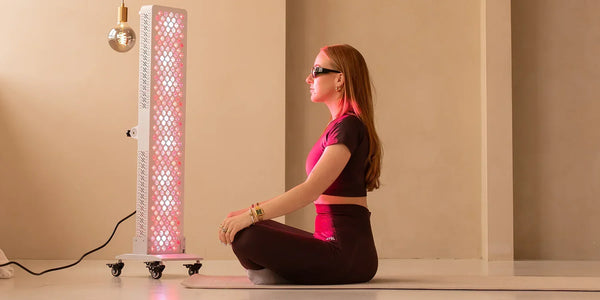
- Close your eyes when the light is directed at your face. Sufficient light reaches the retina through closed eyelids for the intended effect.
- Use devices with controlled intensity and a clear wavelength specification.
- Choose LED-based systems and avoid uncontrolled laser sources.
- Keep sessions short and consistent (in studies, often several minutes per session).
- Stop if you experience pain or persistent discomfort.
- Always consult an ophthalmologist if you have an existing eye condition.
For use around the eyes, research often uses red wavelengths around 660–670 nm. Other wavelengths, such as near-infrared, are also being studied but require careful dosing and further standardization.
Conclusion
Red light for the eyes is not inherently dangerous. On the contrary: when used correctly and with the right wavelength, particularly red light within the studied range around 660–670 nm, scientific research suggests that it may play a supportive role in the energy metabolism of retinal cells.
The real risk lies not in red light itself, but in improper use, excessive intensity, or unsuitable equipment.
As with any application around the eyes, knowledge and dosage make the difference. When red light is used consciously and based on evidence, it may be an interesting development within the broader context of eye health.
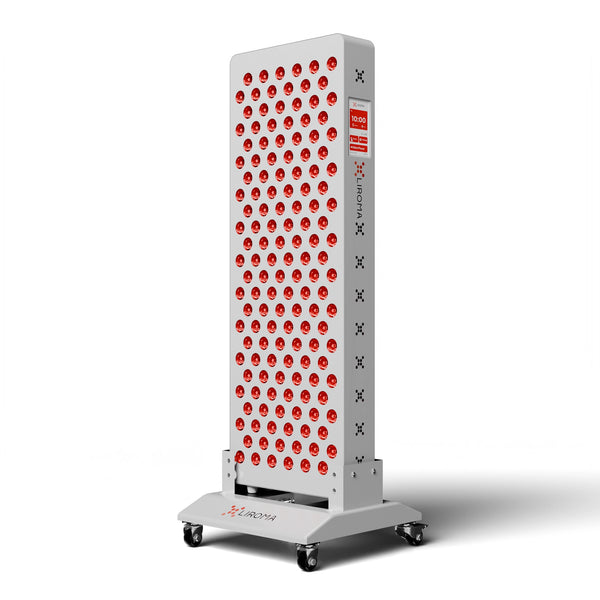
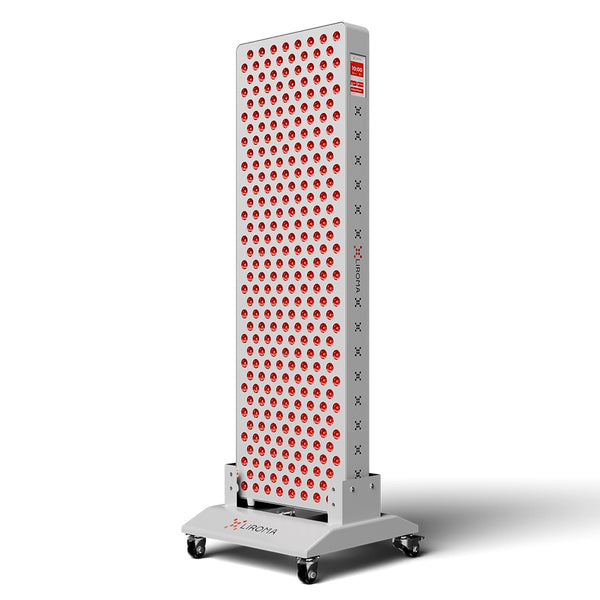
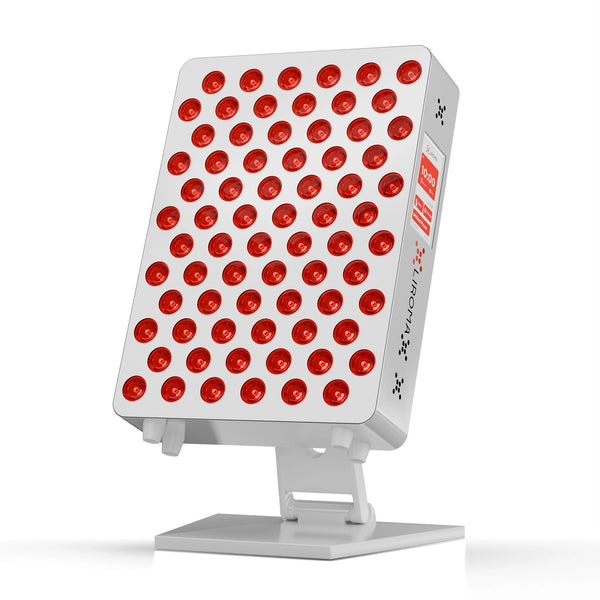
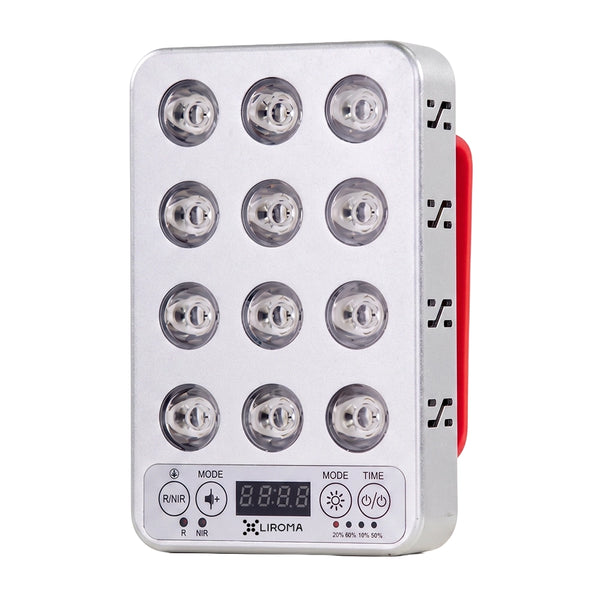
Want to try it yourself? Explore Liroma's red light panels. You have 60 days to test at home whether they are right for you.
View the panels