Red light wavelengths: Which one is right for you?
Each panel lists different nanometers, and nowhere does it say which one you need. For the skin, 630 to 670 nm are most suitable: these wavelengths stimulate collagen, skin recovery and microcirculation. For muscles, joints and deeper tissue, choose near-infrared light at 810, 830, 850 or 1060 nm, which penetrates more deeply. Keep the lamp at approximately 30 to 50 cm away, treat each area for 10 to 20 minutes, and do this 3 to 5 times per week. Below, you can read what each wavelength does and what to pay attention to.
Red Light Therapy is a popular, scientifically supported method for promoting skin health, pain relief and recovery. The secret lies in the specific wavelengths, which range from visible red light to near-infrared light.

60-day home trialFree shipping7 years of experience in light therapy
Please note: this information is based on scientific sources, customer experiences and our own knowledge of light therapy. It is not medical advice. If you take medication, have a medical condition or are unsure, talk to your doctor or a specialist first.
What are wavelengths and why are they important?
Wavelengths refer to the distance between successive peaks of a light wave, measured in nanometers (nm). In Red Light Therapy, these range from visible red light (approximately 620-700 nm) to near-infrared light (700-1100 nm). Each wavelength penetrates the body to a different depth and has specific effects on tissues and cells.
The most commonly used Red Light Therapy wavelengths and their effects
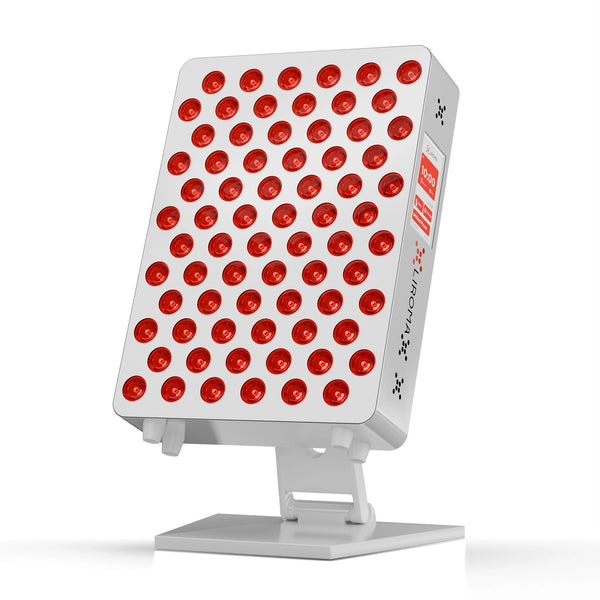
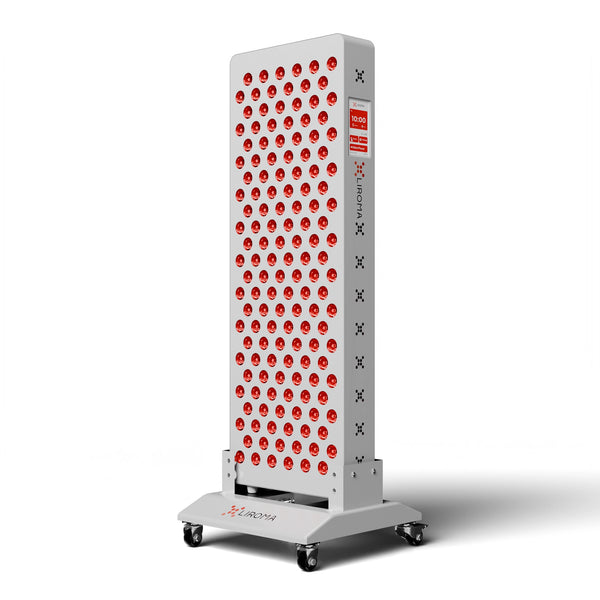
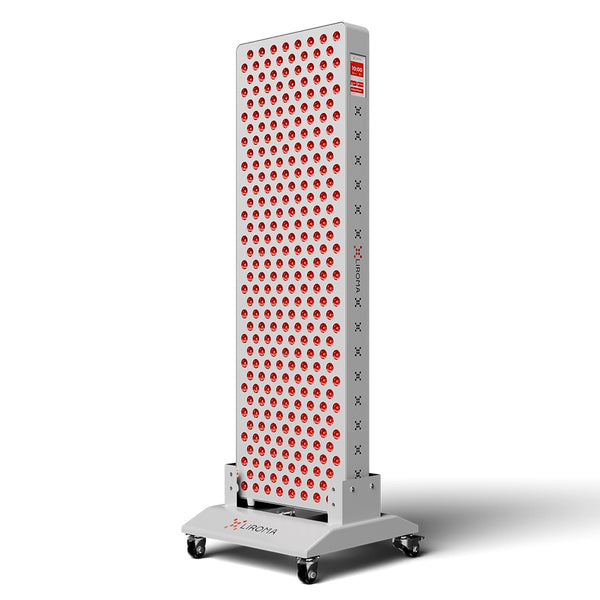
Below is an overview of the eight wavelengths in Liroma's Red Light Therapy panels and their specific benefits:
| Wavelength | Effect | Application |
|---|---|---|
| 630 nm | Stimulates collagen production and skin renewal | Skin rejuvenation, fine lines, skin improvement |
| 650 nm | Supports skin recovery and collagen production | Skin improvement, redness, recovery after irritation |
| 660 nm | Promotes skin recovery and supports blood circulation | Anti-inflammatory effects, microcirculation, wound healing |
| 670 nm | Penetrates just slightly deeper than 660 nm | Scalp and hair growth, skin recovery |
| 810 nm | Penetrates deeply into muscles and tissues | Muscle recovery, joints, deep tissue stimulation |
| 830 nm | Supports cellular energy and recovery processes | Pain relief, muscle recovery, joint support |
| 850 nm | Stimulates cellular energy and deep recovery | Deep tissues, bone and tendon recovery, recovery after exercise |
| 1060 nm | Penetrates very deeply and intensively supports recovery | Deep muscle recovery, tendons, joints and rheumatic complaints |

- 630 nm (Red light): This wavelength is ideal for superficial skin concerns. It stimulates collagen and elastin production, helping to firm the skin and reduce fine lines. It is also often used in the treatment of acne, as red light has anti-inflammatory effects and can combat the bacteria that cause acne.
- 650 nm (Red light): 650 nm is close to 660 nm and works on the same skin layers. It supports collagen production and skin recovery, and is usually combined with 630 and 660 nm so that the entire upper layer of the skin is reached.
- 660 nm (Red light): 660 nm is one of the most studied wavelengths due to its versatility. It penetrates deeper than 630 nm and offers benefits such as improved wound healing, healthy skin texture, and reduced inflammation. This wavelength also supports microcirculation, helping the skin look healthier and more radiant.
- 670 nm (Red light): The longest wavelength within the visible red spectrum. 670 nm penetrates just slightly deeper than 660 nm and is used, among other things, for the scalp and hair growth, as well as skin recovery.

- 810 nm (Near-infrared light): This wavelength penetrates deeper into muscles and tissues. 810 nm is often used for muscle recovery, joint support, and stimulating recovery processes after physical activity.
- 830 nm (Near-infrared light): When it comes to deep tissue recovery, 830 nm is an excellent choice. This wavelength penetrates into muscles and joints, making it effective for pain relief, injury recovery, and improving circulation in deeper tissues. It is also used to promote recovery after strenuous physical activity.
- 850 nm (Near-infrared light): 850 nm offers benefits similar to 830 nm but penetrates just slightly deeper. This wavelength is popular among athletes and people recovering from serious injuries. It not only helps with the recovery of muscles and joints but can also support deeper tissues, such as bones and tendons. In addition, it stimulates ATP production (cellular energy), which is essential for healing and recovery.
- 1060 nm (Near-infrared light): 1060 nm penetrates very deeply and is intended for intensive recovery of muscles, joints, tendons, and deeper tissues. This wavelength is often chosen for deep muscle recovery, joint support, and rheumatic conditions.

How do you use the lamp effectively?
For optimal results:
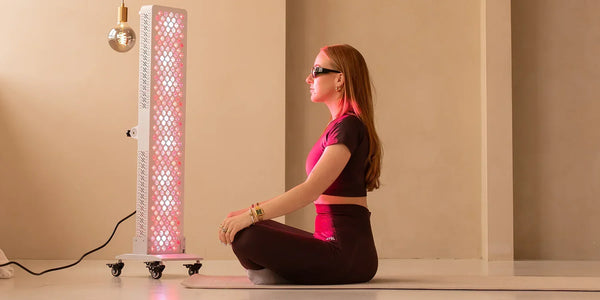
- Distance: Keep the lamp approximately 30-50 cm from the area being treated.
- Duration: Treat each area for 10-20 minutes per session.
- Frequency: Apply the therapy 3-5 times per week for the best results.
Who is red light therapy suitable for?
Red light therapy is suitable for a wide range of applications:
- Athletes: For faster muscle recovery after training sessions or competitions.
- People with skin problems: Such as acne, fine lines, and pigmentation spots.
- People with chronic pain: For relief from muscle and joint pain.
- Recovery after injuries: Promotes tissue repair and healing.
Whether you're looking for a skin-friendly anti-aging solution or need deep tissue recovery, red light therapy offers a tailored solution.
Precautions for red light therapy
Although red light therapy is considered safe, there are some things to keep in mind:
- Eye protection: Avoid looking directly into the lamp and wear protective glasses if necessary.
- Medical conditions: Consult a doctor if you have photosensitivity or a skin condition.
- Overuse: Follow the recommended duration and frequency to prevent excessive exposure.
View all red light therapy lamps
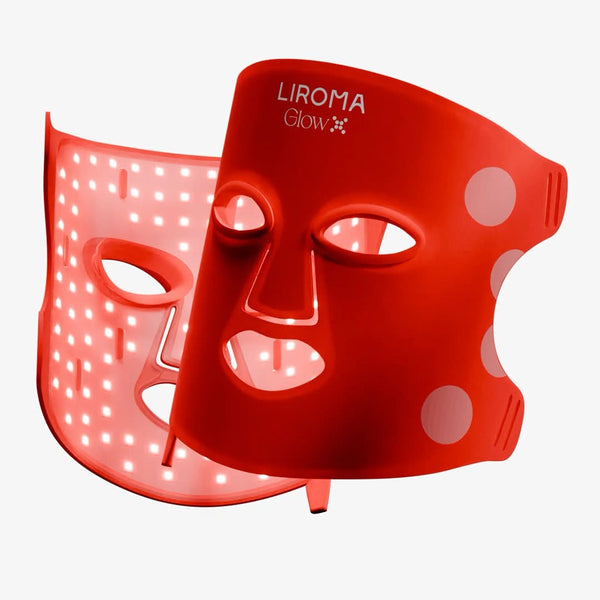
Want to try it yourself? Explore Liroma's red light panels and their wavelengths. You have 60 days to test at home whether it's right for you.
View the panels