Infrared light against wrinkles and skin aging
In front of the mirror, you can see the lines around your eyes more clearly than you could a year ago. You cannot stop skin aging, but red and near-infrared light can reduce the visibility of wrinkles and fine lines. Wavelengths of approximately 630 to 850 nm stimulate the fibroblasts that produce collagen, improve blood circulation in the skin, and reduce inflammation. Ideally, a session lasts 10 to 15 minutes, with a maximum of once per day per body part, at a distance of 30 to 50 cm. Below, you can read what Infrared light is, how it works on the skin, and which routine we recommend.
60-day home trialFree shipping7 years of experience in light therapy
Please note: this information is based on scientific sources, customer experiences and our own knowledge of light therapy. It is not medical advice. If you take medication, have a medical condition or are unsure, talk to your doctor or a specialist first.
Infrared light for wrinkles and skin aging: does it work?
Unfortunately, everyone has to deal with it sooner or later: skin aging. As we get older, our skin begins to show signs of aging, such as wrinkles, crow’s feet, fine lines, discoloration, and a loss of elasticity. These changes are inevitable and are part of getting older. The age at which this occurs and the extent to which it affects us are caused by a combination of genetic factors and external influences, such as sunlight, diet, and other lifestyle choices (including smoking).
Although the natural process of skin aging cannot be stopped completely, there are methods to slow it down and reduce the visibility of the aforementioned signs. One of the emerging treatments receiving increasing attention for skin aging and wrinkles is the use of Infrared light. But how exactly does it work, and can it really help? In this blog, we would be happy to tell you more about it.

What is Infrared light?
NIR, MIR & FIR
Infrared light is a type of electromagnetic radiation that is invisible to the human eye but can be felt as heat. The light spectrum is divided into different wavelengths, and Infrared light is located just beyond visible light. Infrared light is further divided into near-infrared (NIR), mid-infrared (MIR), and far-infrared (FIR), based on its wavelength.
Various applications
Infrared light has been used for years in various applications, such as relieving muscle pain, accelerating wound healing, and improving blood circulation. Infrared lamps with heat are therefore extremely popular among consumers. More recently, there has also been growing interest in the potential of Infrared light to combat the signs of skin aging.
Wavelengths for skin aging and wrinkles
For treating skin aging and wrinkles with red light therapy, wavelengths in the red and near-infrared spectrum are the most effective, ranging from approximately 630 nm to 850 nm. For the best results, a combination of different wavelengths is often used. This stimulates both the skin’s surface (using wavelengths from 620 to 750 nm) and deeper skin layers (using wavelengths from 750 to 850 nm).

How does Infrared light help with wrinkles and skin aging?
There are several ways in which Infrared light can help with wrinkles and skin aging. Below, we list the most important arguments.
1. Improved blood circulation
Infrared light is known to significantly improve blood circulation in the skin. This ensures a better supply of oxygen and essential nutrients to the skin cells. This supports the removal of toxins and also promotes healthy cell activity, which can naturally contribute to younger-looking skin.
2. Collagen production is stimulated
Collagen is an essential protein responsible for the firmness and elasticity of the skin. As we age, collagen production decreases, resulting in wrinkles and sagging skin. Infrared light stimulates fibroblasts, the cells responsible for producing collagen, which can make the skin firmer and smoother. Wavelengths between 620 and 750 nm play a particularly important role here.
3. Reduction of inflammation
Chronic inflammation can contribute to accelerated skin aging and the development of wrinkles. Infrared light has anti-inflammatory properties, which can help reduce inflammation in the skin and thereby soothe and rejuvenate it.
4. Improved skin texture
By stimulating cell activity and improving blood circulation, Infrared light can also help improve the overall texture and tone of the skin. This means a more even complexion, less visible pores, and softer, smoother skin. And let’s be honest, who wouldn’t want that?

Scientific support and practical use
Several studies support the effectiveness of Infrared light in treating skin aging. This source, for example, describes a study in which improvements in skin texture and tone, as well as firmer skin, were observed.
The results of this study suggest that infrared radiation may have beneficial effects on skin texture and wrinkles by increasing the collagen and elastin content of the stimulated fibroblasts.
The use of Infrared light is also popular in many beauty and wellness centers. These treatments are often offered as non-invasive options for rejuvenating the skin. The perfect alternative is to get your own Infrared lamp for your home.
You often recoup the cost after just a few treatments at a wellness center, and you can also enjoy the benefits from the comfort of your own home. The technology is now so advanced that its effect is comparable to the equipment used in salons.

Which products are most suitable?
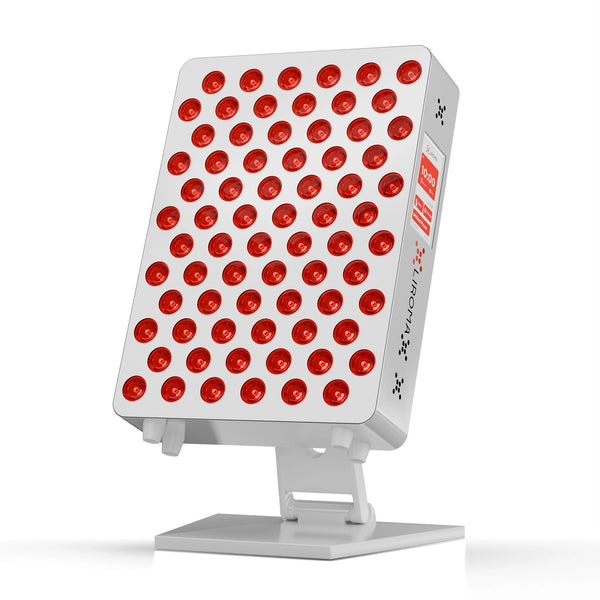
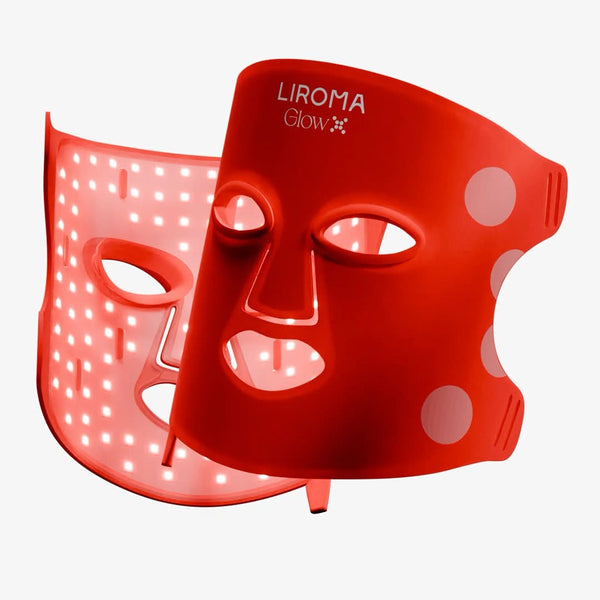
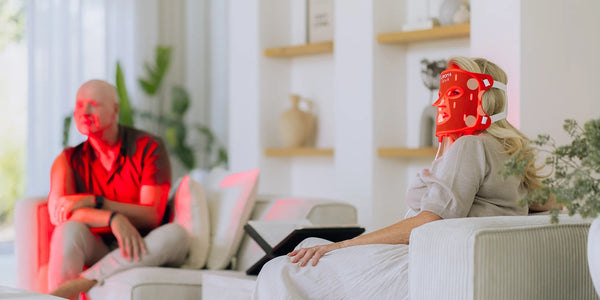
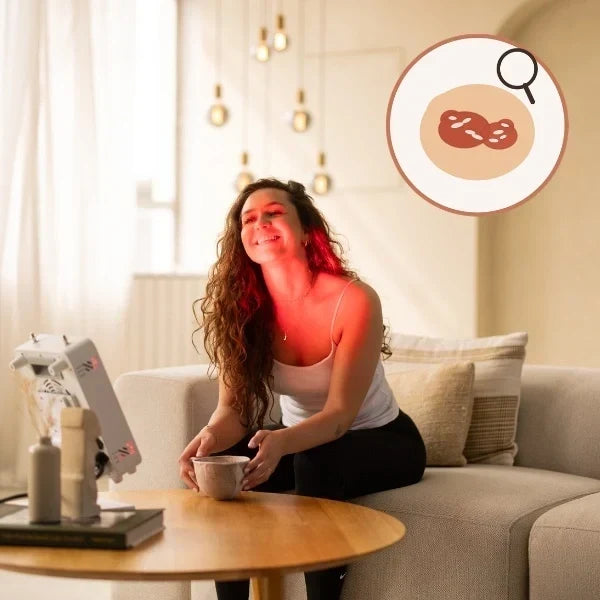
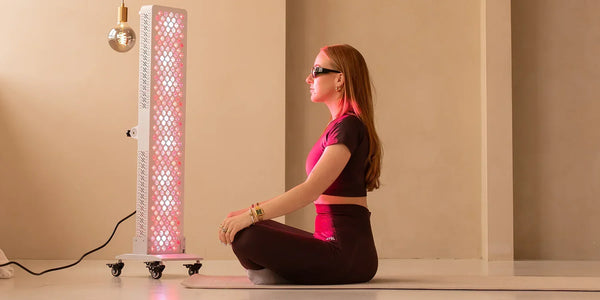
If you are looking for a suitable Infrared lamp for wrinkles or skin aging, we generally recommend a tabletop model to our customers. You can easily place it on a table and sit comfortably in front of it with your face. In addition, a special face Mask is also a good option for combating skin aging or wrinkles.
These lamps offer many more benefits than just combating wrinkles, fine lines, and skin aging. They can also help with acne, psoriasis, and rosacea. Our favorite is the LED Therapy Mask.
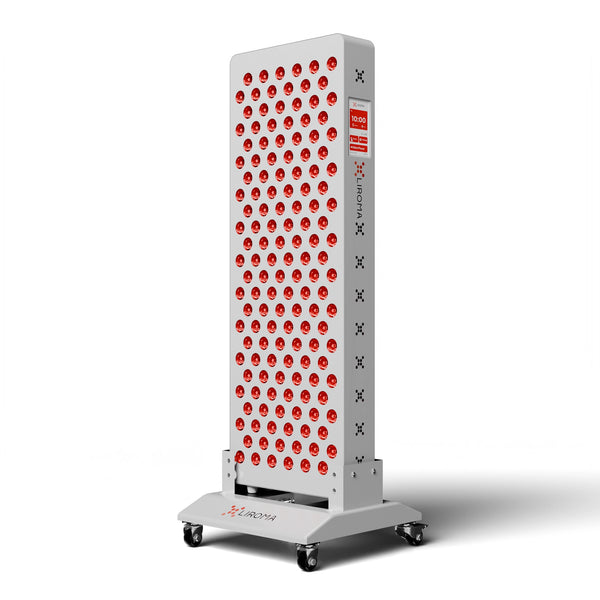
If you also plan to treat other parts of your body with Infrared light, the FORCE RTL120 is the perfect choice.
This is the best routine
Customers regularly ask us what the best routine is for skin aging or wrinkles. We recommend the following steps:
- Clean your face thoroughly with water and remove any makeup; Use protective goggles (these are included as standard);
- Ideally, one session lasts 10-15 minutes;
- Use the lamp a maximum of 1x per day per body part;
- The distance from the lamp to your skin should be approximately 30-50 cm for the best effect;
- Enjoy…!
Want to try it yourself? View Liroma’s lamps for the skin. You have 60 days to test at home whether it suits you.
View for the skin