Light therapy for seasonal depression: more energy during the dark months
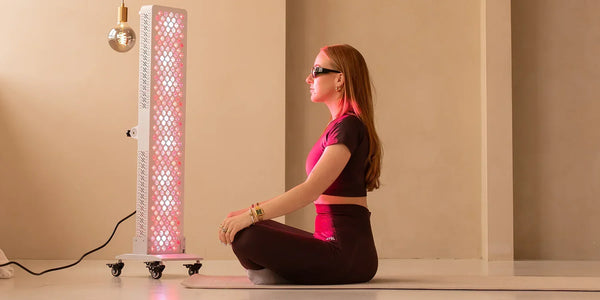
At the end of November, you go to work in the dark and come home in the dark. For winter depression, light therapy compensates for the lack of daylight signals. Bright white light works through your eyes and readjusts your biological clock. This is the best-supported approach for winter depression. Red light works through the skin on the mitochondria and may additionally support energy levels, although research on this is less extensive and it does not replace treatment for severe symptoms. You usually use it in the morning, for 20 to 30 minutes at a distance of 30 to 50 cm, daily for 1 to 3 weeks. Below, you can read about the difference between white and red light, what the studies say, and how to use it safely.
Does autumn feel heavier every year than you would like? Do you wake up tired while the day has yet to begin? Do you have less energy, less motivation, and does everything feel just a little grayer?
For many people, this is not a matter of making a fuss, but a recurring pattern during the darker months. The winter blues, or winter depression, can have a profound impact on your mood, sleep, and energy. The good news is that, according to sources and personal experiences, light therapy can help restore balance to your biological rhythm.

60-day home trialFree shipping7 years of experience in light therapy
Please note: this information is based on scientific sources, customer experiences and our own knowledge of light therapy. It is not medical advice. If you take medication, have a medical condition or are unsure, talk to your doctor or a specialist first.
What is winter depression or the winter blues?
Winter depression is a form of depression that repeatedly occurs in autumn and winter and subsides again in spring. The term winter blues is often used for the same phenomenon, especially when symptoms are milder but clearly linked to the darker months.
Common symptoms include low mood, less enjoyment of activities, low energy, and a strong need to sleep. Increased cravings for sweet or carbohydrate-rich foods, weight gain, irritability, and a heavy feeling in the arms and legs are also common.
The root cause is often a lack of daylight. So it is not a lack of willpower, but a biological process.
How does light therapy work for winter depression?
Light is a powerful biological signal. It controls our internal clock, influences hormones, and plays a role in mood and energy.
In the brain, the biological clock regulates the day-night rhythm. Daylight inhibits the production of melatonin during the day, the hormone that makes you sleepy. In winter, when it stays dark for longer, this rhythm can shift. As a result, you may feel tired, sluggish, and lacking in energy during the day.
Light also affects serotonin, a neurotransmitter involved in mood and motivation. Less light may be associated with lower serotonin activity, which can intensify gloomy feelings.
Light therapy supports the body by compensating for the lack of natural light signals. This can help stabilize the rhythm and support energy levels.

What is the difference between white light and red light?
Within light therapy, people often refer to bright white light, but red light is also receiving increasing attention. Although both forms use light, their mechanisms differ.
White light
White light therapy works through the eyes. The light reaches specific light-sensitive cells in the retina that transmit signals to the biological clock in the brain. This realigns the day-night rhythm.
This form of light therapy is strongly supported by scientific evidence for winter depression. Its main aim is to regulate melatonin and support the circadian rhythm.
Red light
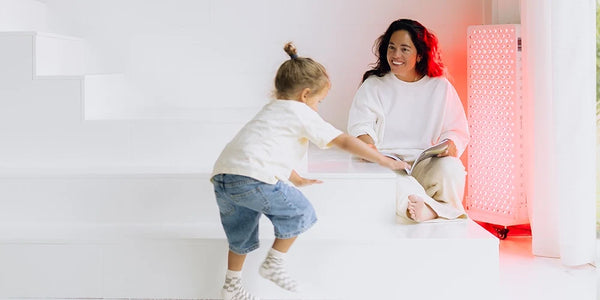
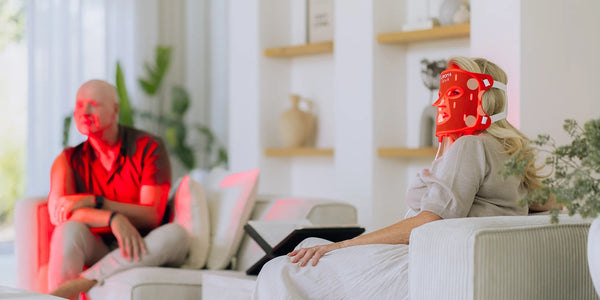
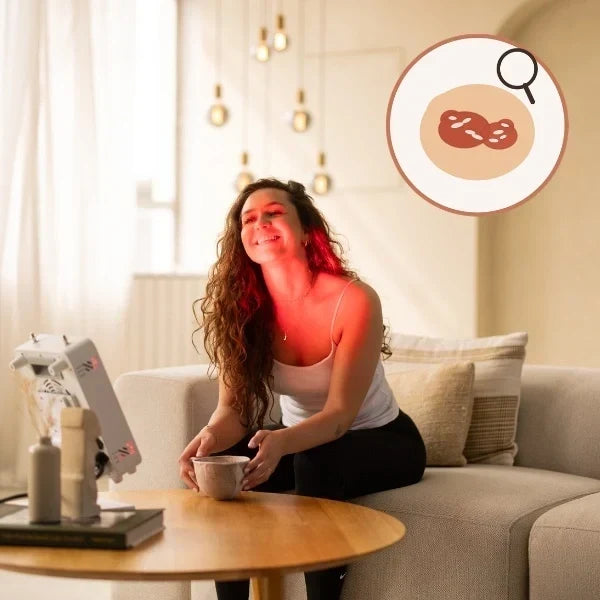
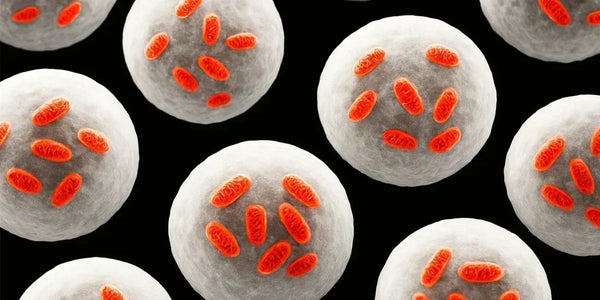
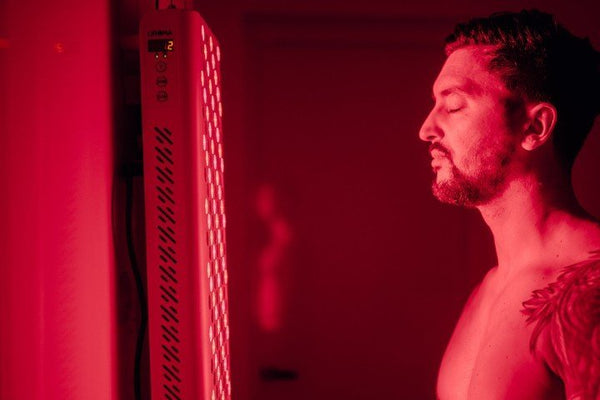
Red Light Therapy, also known as photobiomodulation, works differently. This light penetrates the tissue through the skin and influences the mitochondria, the energy factories of our cells. It may support energy production, improve circulation, and regulate inflammatory processes.
While white light primarily influences the biological clock through the eyes, red light focuses more on cellular energy and recovery. Research into red light for depression and winter depression is promising, but is still less extensive than research into traditional light therapy.
In a professional setting, red light can provide valuable complementary support, for example for fatigue, recovery, or low energy levels in winter. However, it is not a replacement for standard treatment for severe depression.
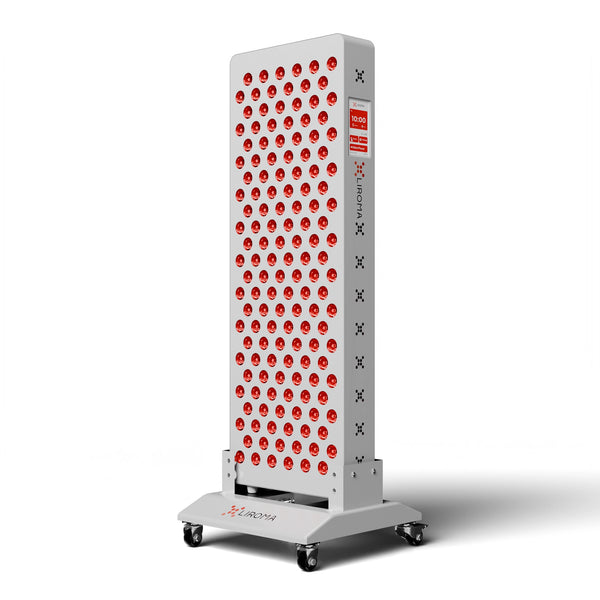
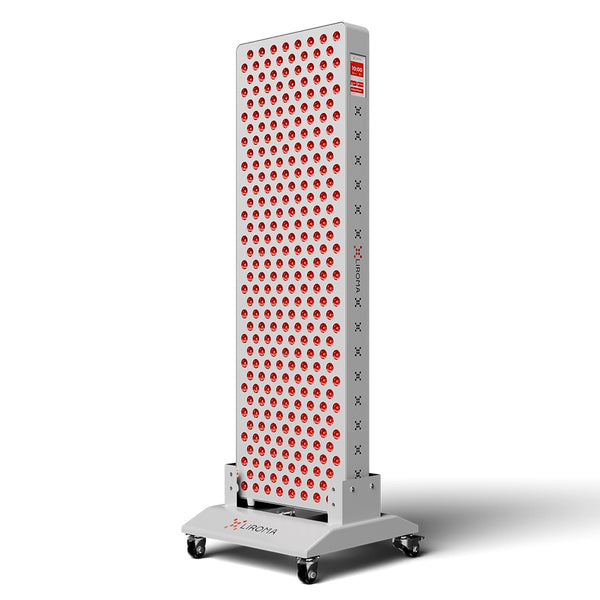
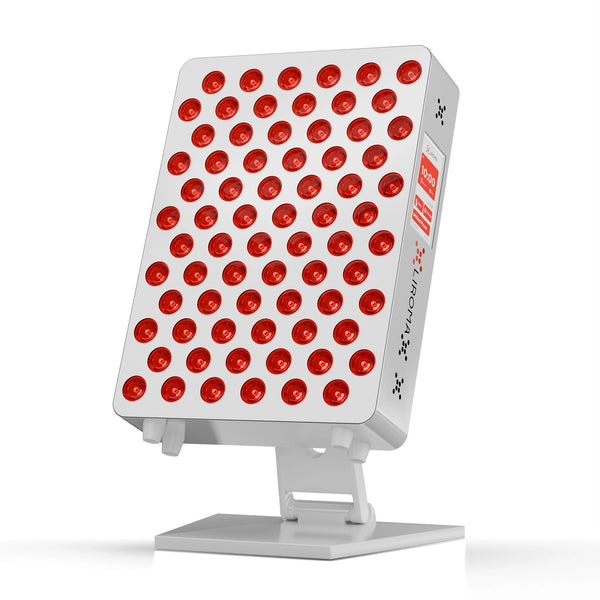
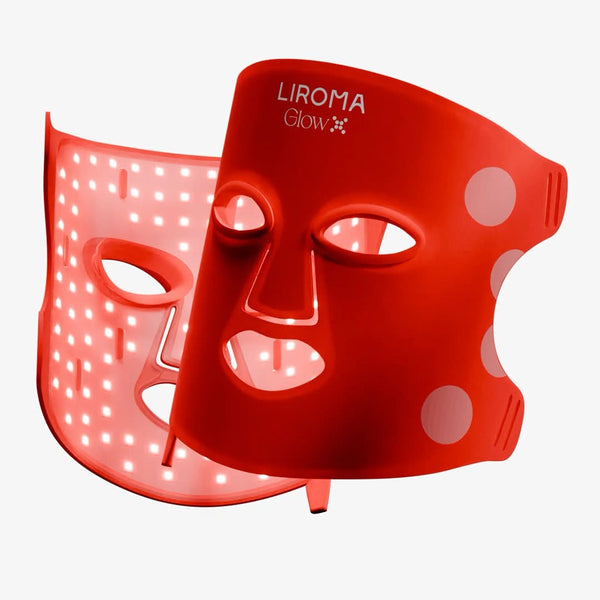
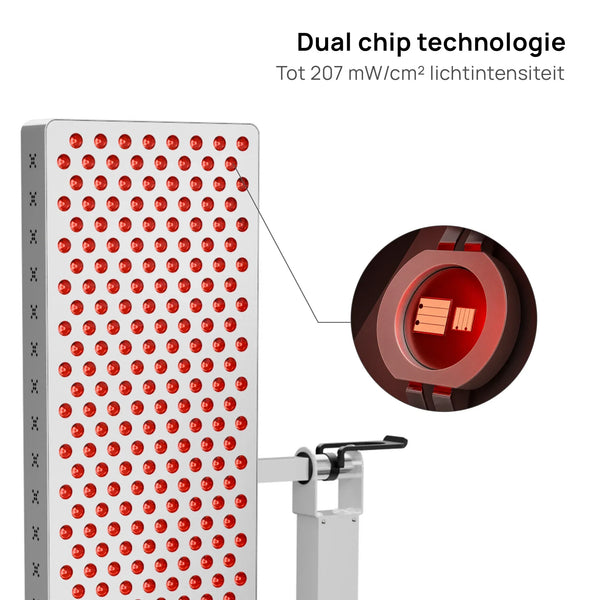
View all red light therapy panels

What does the science say?
Although research is still developing, there are several promising studies:
- Winter depression: Research describes how the sleep-wake cycle can be supported with bright morning light.
- Non-seasonal depressive symptoms: Meta-analysis shows that light therapy may play a supportive role in adults with mild to moderate symptoms.
- People with intellectual disabilities: Light therapy is used in disability care; caregivers often report greater alertness or cheerfulness. (Source)
- Adolescents: A study among young people with moderate to severe depression found no significant difference between light therapy and a control group.
How do you use light therapy safely and effectively?
- Use light therapy in the morning, directly after waking up.
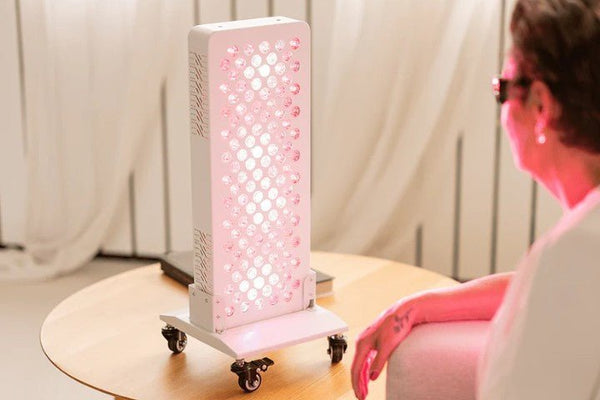
- Place the panel at a distance of 30–50 cm.
- Sessions usually last 20–30 minutes.
- Keep your eyes open, but do not look directly into the light.
- Combine it with daily routines such as having breakfast or reading.
- Use it daily for 1–3 weeks for the best effect.
- Start slowly if bright light feels uncomfortable.

Who is it suitable for?
Often used by people who
- are sensitive to limited daylight,
- suffer from the winter blues,
- have difficulty getting up or have a disrupted rhythm,
- experience gloomy feelings during the darker months.
Situations requiring caution
- Certain eye conditions.
- Medication that increases light sensitivity.
- Severe depressive symptoms (always seek professional help).
Conclusion
Seasonal depression or the winter blues is not a lack of character. It is a biological process in which your body receives insufficient daylight signals.
Light therapy offers a scientifically grounded way to restore that signal. Bright white light helps reset your biological clock. Red light can provide additional support for energy, recovery, and cellular activity.
Anyone who understands how strongly light influences our biology sees that winter is not merely something you have to endure. With the right application of light therapy, you can actively work toward more energy, a more stable mood, and greater resilience during the darker months.
Want to try it yourself? View Liroma's red light panels for the darker months. You have 60 days to test at home whether it suits you.
View the panels