Red Light Therapy for dry skin: Does it really work?
Dry, tight, flaky skin can often only be relieved temporarily with a thick layer of cream. Red Light Therapy addresses the issue more deeply: research shows that it strengthens the skin barrier and stimulates collagen production, helping your skin retain moisture more effectively on its own. Below, you can read how it works and how to apply it in practice.
Note! This information is based on available scientific sources and general knowledge about light therapy. It is not medical advice and does not replace treatment by a doctor. Always consult a general practitioner or dermatologist if you have persistent or severe skin complaints.
On this page
60-day home trialFree shipping7 years of experience in light therapy
What is dry skin, and what causes it?
Dry skin develops when the skin barrier is less able to retain moisture. Normally, a thin layer of sebum and lipids forms a protective layer on the skin. When this layer is disrupted, moisture evaporates more quickly, and the skin feels tight, flaky, or rough.
The most common causes
- Cold, dry winter weather, especially combined with high indoor heating.
- Showering with water that is too hot, harsh soap, or alcohol in skincare products.
- Reduced sebum production as you get older.
- An underlying skin condition such as eczema or psoriasis.
How can you recognize dry skin?
Typical signs include a flaky surface, a tight feeling after washing, mild itching, fine lines that are more noticeable, and a dull appearance. With more severe dry skin, small, painful cracks may even develop, especially on the hands, elbows, and shins.
How does red light work on dry skin?
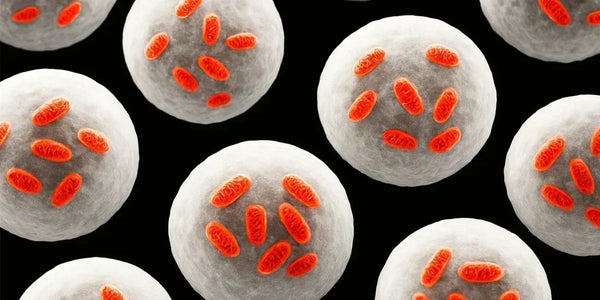
Red and near-infrared light penetrate into the epidermis and the upper part of the dermis. There, they are absorbed by the mitochondria, the cell’s power plants. This process is called photobiomodulation and stimulates cells to produce more energy in the form of ATP. Fibroblasts, the cells responsible for collagen and elastin, consequently become more active.
The effect on the skin barrier
One of the most concrete studies in this area was published in PLOS One (2019). The researchers used red light above 600 nanometers and measured how quickly the skin barrier recovered after damage. At a suitable intensity, the measured skin values recovered to almost their original level within approximately 10 minutes, significantly faster than in untreated skin.
This is relevant for dry skin because a stronger barrier is better able to retain moisture instead of allowing it to evaporate.
More collagen and elastin for stronger skin
Research by Barolet et al. (2021) into the combination of red light (640 nanometers) and near-infrared light (830 nanometers) on human skin tissue showed that low light doses significantly increased gene expression for collagen and elastin. A stronger collagen network results in thicker, more resilient skin that retains moisture better and flakes less quickly.
Which wavelengths are suitable?
According to a review study in the International Journal of Molecular Sciences (2024), most studies on skin recovery use red light between 620 and 700 nanometers, often combined with near-infrared light between 700 and 900 nanometers. Red light primarily works superficially on the epidermis, while near-infrared light penetrates deeper into the dermis.
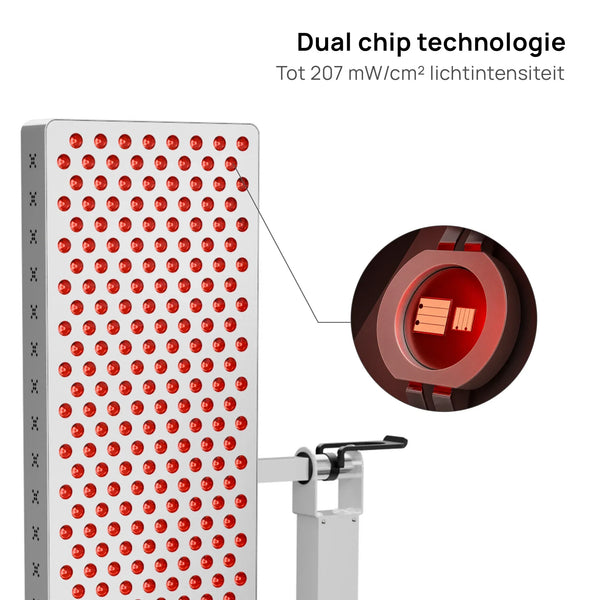
Liroma panels use 8 wavelengths between 480 and 1060 nanometers, targeting both the superficial and deeper layers of the skin.
What does red light therapy do for dry skin?
Based on the available research and the effects of photobiomodulation, these are the main benefits for your skin that you can expect with regular use
- A strengthened skin barrier, which slows moisture loss.
- Increased collagen and elastin production for more supple skin.
- Improved blood circulation, which supports the skin’s natural recovery.
- Less visible flaking and a more even skin texture
- A soothing effect on irritated or mildly itchy skin.
It is important to know that these effects occur gradually. Light therapy is not a quick fix like a cream that soothes immediately, but a treatment that builds up with consistent use over several weeks.
Hydrating cream or red light therapy?
Both approaches have a different focus, which is precisely why they work well together.
| Hydrating cream | Red Light Therapy | |
|---|---|---|
| How it works | Adds moisture and lipids to the epidermis | Stimulates the skin to retain more moisture on its own |
| Effect | Noticeable immediately, especially superficially | Builds over time by strengthening the skin barrier |
| Duration of the effect | Temporary, usually a few hours | More gradual with regular use over several weeks |
| When to use it | Daily care, when quick results are desired | As a supplement for persistent dryness or flaking |
| Compatible | Yes, often the foundation of a skincare routine | Yes, enhances the effect of a cream |
A hydrating cream temporarily solves the problem by adding moisture and lipids. A red light lamp addresses it more deeply by supporting the skin in retaining moisture itself. That is why most users combine the two in their skincare routine.
Which types of dry skin does RLT work well for?
Weather and season
For dry skin that develops mainly in winter or due to heating, Red Light Therapy is a logical addition to your skincare routine. It supports the skin barrier precisely when external factors place extra strain on it.
Aging
As the skin ages, sebum production decreases and the skin naturally becomes drier and thinner. Because Red Light Therapy stimulates collagen production, it is often used for more mature skin, with reduced dryness as an added benefit alongside improved skin structure.
Eczema and psoriasis
For chronic skin conditions such as eczema or psoriasis, light therapy can play a supportive role alongside treatment from a dermatologist. Never use it as a substitute for medical advice, and always consult a doctor first if in doubt, especially during a flare-up.
Sensitive baby skin
Red Light Therapy is not automatically suitable for a baby or young child with dry skin. Always consult a general practitioner or pediatrician first about dry baby skin before considering light therapy.
How do you use a red light lamp in practice?
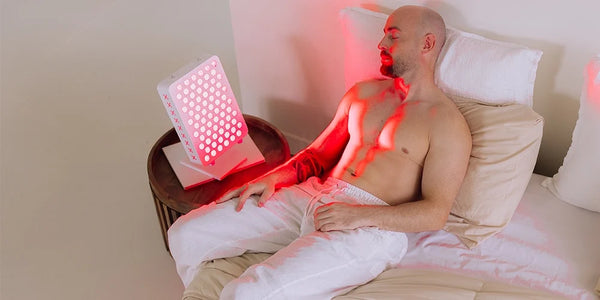
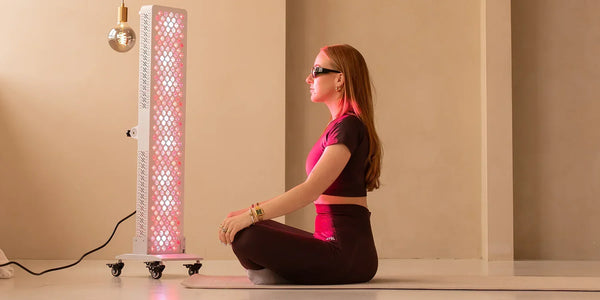
Red Light Therapy is easy to incorporate into a daily or weekly routine and is painless and non-invasive when used correctly. Avoid shining bright light directly into your eyes, gradually increase the exposure time if you have sensitive skin, and skip light therapy in the case of open wounds, acute inflammation, or serious skin conditions until you have discussed it with a doctor.
These 5 steps will help you get started.
- Clean the skin before use so there is no makeup or dirt between the light and the skin.
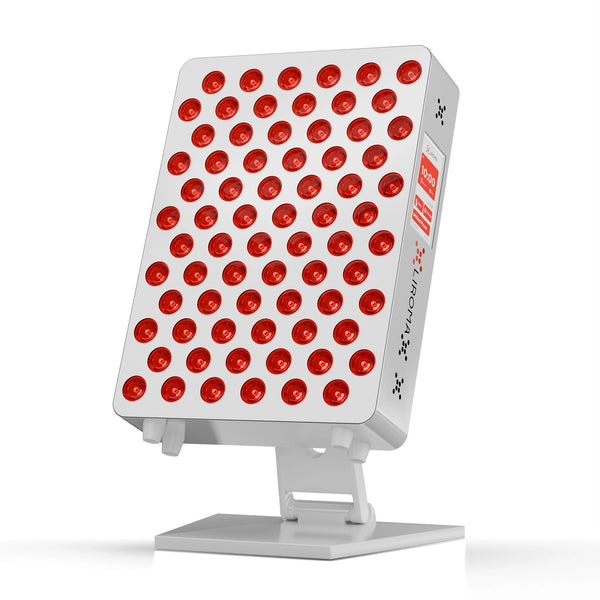
- Position the panel or face mask at the recommended distance for your device.
- Use the device for an average of 10 to 15 minutes per session.
- Repeat this 3 to 5 times per week for the best effect on dry skin.
- After the session, you can apply your usual moisturizing cream or serum if desired; the skin often absorbs it better.
Give the process time. Most users notice the first improvement in skin suppleness after a few weeks of consistent use, while structural changes to the skin barrier may take several weeks to months.
Face mask or full-body panel?
Which device is best suited depends mainly on where the dryness occurs.
Especially on the face
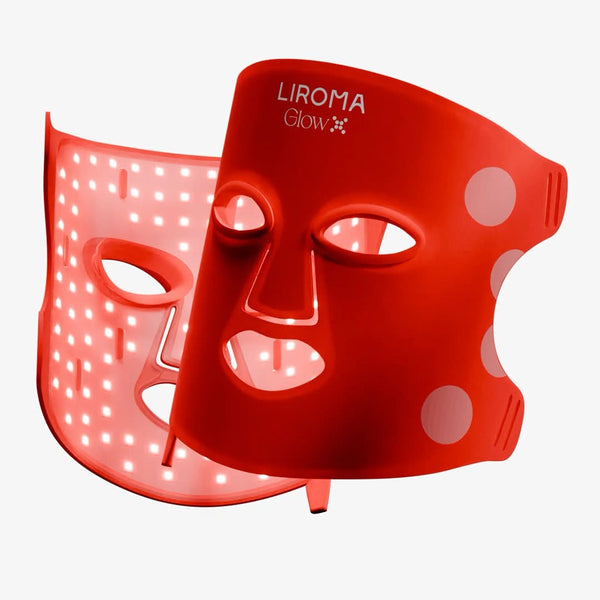
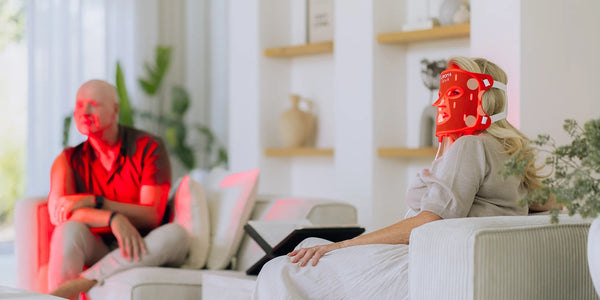
If you mainly have dry skin around your cheeks, chin, or forehead, a targeted face mask is a practical choice. An LED face mask evenly covers the entire face, so you can receive the same treatment every day without any hassle.
On the arms, legs, or entire body
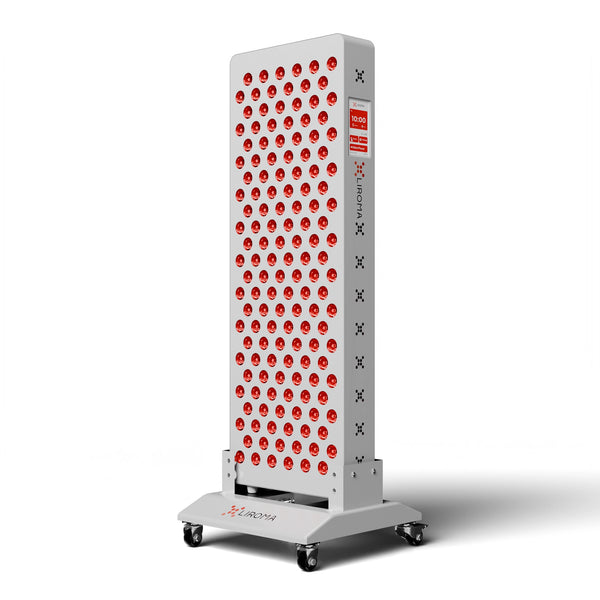
If the dryness mainly affects your elbows, shins, or a larger area of your body, a full-body panel such as the PrimeFORCE Advanced Gen 5 is a more logical choice. With it, you can treat a much larger area in a single session than is possible with a face mask.
Not sure? Many users start with a face mask for the most visible concerns and later switch to a larger panel once they are accustomed to the routine.
Frequently asked questions