Light therapy for skin conditions: what are the benefits?
A red, scaly patch that stays away for months and then suddenly returns. Red and Infrared light penetrate the skin, give your cells more energy (ATP), improve microcirculation, and help reduce inflammation. As a result, light therapy may support wound healing, stretch marks, age spots, rosacea, eczema, scars, sun damage, alopecia, and acne, partly because it stimulates the production of collagen and elastin. It is not a medical treatment: always consult a doctor for severe or chronic skin problems. Below, you can read what light therapy may do for each skin condition.
Light therapy is increasingly used as natural support for various skin problems. It is a non-invasive method in which red and infrared light penetrates deep into the skin. But which skin conditions can it really benefit?
60-day home trialFree shipping7 years of experience in light therapy
Please note: this information is based on scientific sources, customer experiences and our own knowledge of light therapy. It is not medical advice. If you take medication, have a medical condition or are unsure, talk to your doctor or a specialist first.
Wound healing
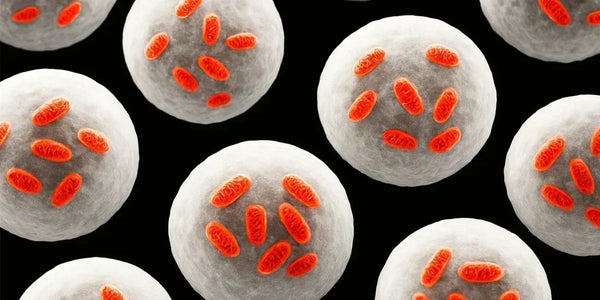
Red Light Therapy for wound healing is often used to support the natural recovery process. It stimulates the mitochondria to produce more ATP (cellular energy). This energy is essential for cell renewal and repair. As a result of this increase, the healing process often progresses faster than normal.
Red light also improves blood circulation and microcirculation around the wound. This means a better supply of oxygen, nutrients, and immune cells to the affected area.

The combination of accelerated cell activity and improved circulation makes Red Light Therapy a valuable addition for minor skin damage. Examples include abrasions, small cuts, or postoperative scars.
Stretch marks
With stretch marks, the skin stretches, making tears in the connective tissue visible. Light therapy can help support skin elasticity and reduce the visibility of stretch marks over time.
It stimulates the production of collagen and elastin, two important building blocks for firm skin. Although it is not a miracle cure, many users experience subtle evening of the skin texture with regular use.
Age spots
Age spots are often caused by sun damage and skin aging. Red Light Therapy can provide support on several levels. The light is absorbed by the mitochondria in your skin cells, increasing the production of ATP (cellular energy). This allows skin cells to regenerate faster and repair damage more efficiently.
Another benefit is improved microcirculation in the skin. This improves the supply of oxygen and nutrients, resulting in healthier skin and a more even complexion. This combination makes red light a commonly used method for reducing the visibility of age spots on the face.

Rosacea
Rosacea is a chronic skin condition characterized by redness, visible blood vessels, and sometimes bumps or pimples. Light therapy for rosacea can play a supportive role in calming the skin. One of the main effects of red light is that it may help reduce inflammation. A crucial aspect of all rosacea subtypes.
Although rosacea varies from person to person, many users experience relief with regular use of Red Light Therapy. It is a gentle method without side effects that fits well into a broader skincare routine.
Eczema
With eczema, the skin is often dry, itchy, and irritated. Light therapy for eczema can help calm the skin and reduce inflammation. Light therapy focuses on:
- Improved skin hydration
- Less redness and itching
- Supporting the skin barrier
Important: use light therapy as a supplement, not as a replacement for medical treatment. Always consult a specialist in cases of severe eczema.
If scaly patches keep returning in the same places, such as on the elbows, knees, or scalp, it may be psoriasis. This is a different condition from eczema. What Red Light Therapy for psoriasis involves, and which panels people choose for it, is explained on a separate page.
Scars
Red Light Therapy for scars is often used to support skin recovery, for both new and older scars. During the early stage of wound healing, Red Light Therapy stimulates the fibroblasts in the skin to produce type 3 collagen. This type of collagen plays an important role in forming healthy, flexible connective tissue.
Red Light Therapy helps regulate the inflammatory response and may thereby limit excessive collagen formation. This may be particularly relevant in the formation of hypertrophic scars or keloids.

Sun damage
Long-term sun exposure can damage the skin. Examples include fine lines, pigmentation spots, redness, and a dull appearance. Red Light Therapy can provide valuable support in activating skin recovery after sun damage.
It helps reduce redness and stimulates collagen production, making the skin firmer and potentially reducing signs of aging. Red light improves microcirculation, thereby increasing the supply of oxygen and nutrients. This may allow the skin to repair itself more efficiently.
Alopecia
Alopecia is the medical term for hair loss. Although the causes vary, there is growing interest in using Red Light Therapy for hair loss. By stimulating the hair follicles and improving blood flow to the scalp, light therapy may contribute to healthier hair growth.
Please note: this applies mainly to early-stage hair loss. Results depend on the cause of the hair loss. Light therapy is not a solution when hair follicles have been completely lost, but it may provide support for a healthy hair growth cycle.
Acne
Acne is a common skin condition caused by clogged pores, bacteria, and inflammatory responses. Red Light Therapy for acne focuses on calming inflammation and supporting the skin's natural recovery process.
An important benefit of red light is its anti-inflammatory effect. This may reduce redness and swelling associated with acne. It also stimulates blood circulation. This improves the supply of oxygen and nutrients and thereby supports skin recovery.
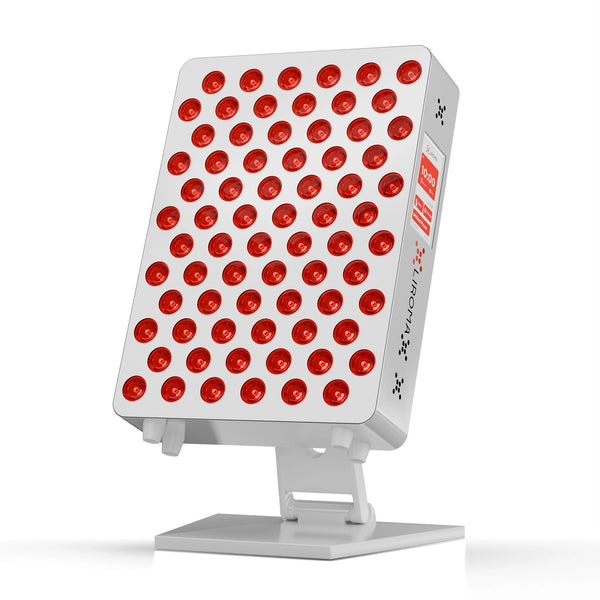
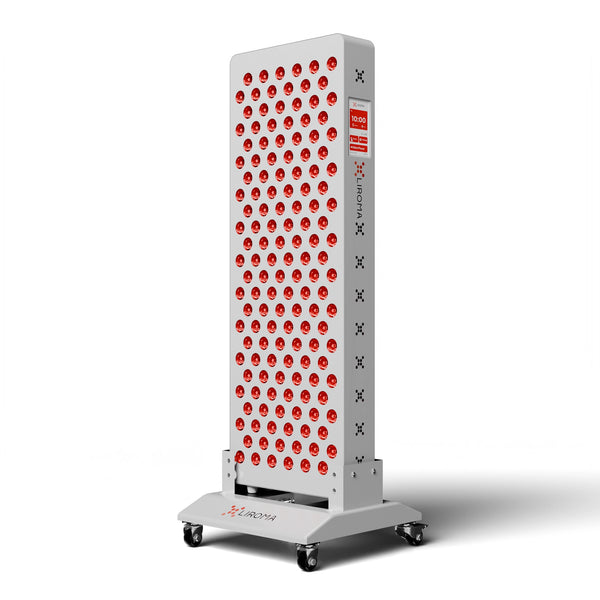
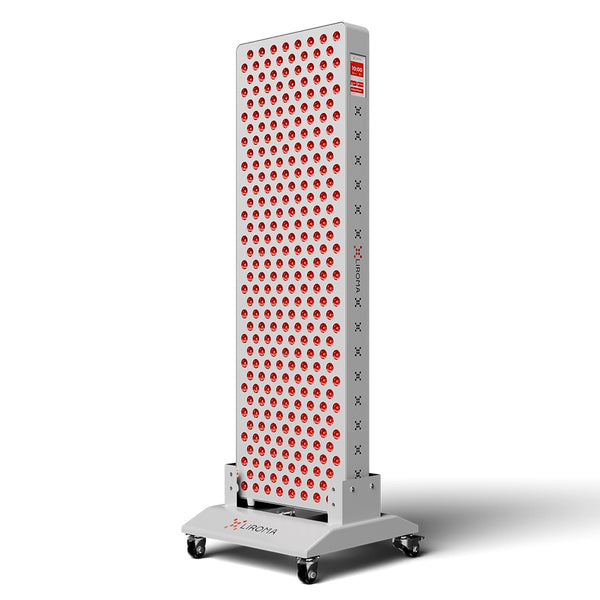
View all Red Light Therapy panels
Light therapy as support for skin problems
Light therapy is an accessible, non-invasive method that can be used for various skin problems on the body. Examples include:

Important to remember: light therapy is not a medical treatment. Always consult a doctor for severe or chronic skin problems. However, as complementary support, red light can play a valuable role in your skincare routine.
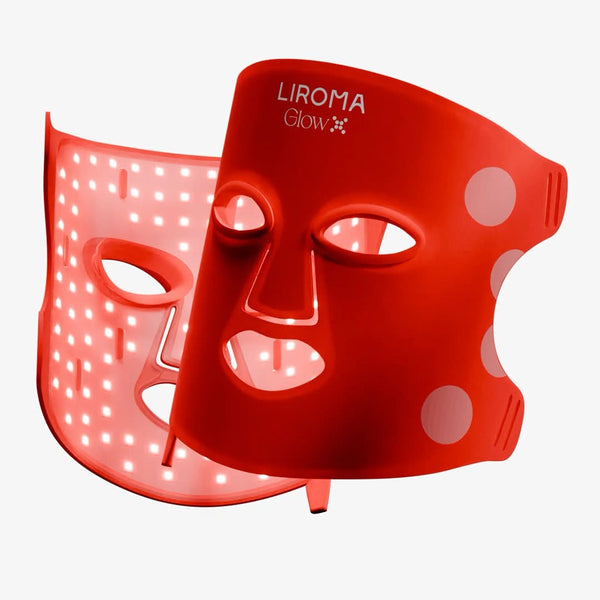
Want to try it yourself? See what Liroma has for your skin. You have 60 days to test it at home and see whether it suits you.
View products for the skin