Relief from Fibromyalgia Symptoms with Red Light Therapy: An In-Depth Guide
Poorly slept, and the next day your whole body hurts for no clear reason. Red light therapy is considered a complementary approach for fibromyalgia, not a treatment for the condition itself. The light penetrates deep into the skin and promotes ATP production in the cells, which may contribute to less pain and inflammation, a healthier sleep-wake rhythm, and less stress. Regular sessions work best: start briefly, gradually increase the duration, and direct the lamp at the areas where you feel the most pain. Below, you can read what fibromyalgia is, how red light works, and how to use it at home.
Fibromyalgia is a chronic condition characterized by widespread pain, fatigue, and sensitivity to pressure. For those living with this condition, managing the symptoms can be a daily challenge.
Fortunately, red light therapy is increasingly recognized as an effective complementary treatment for fibromyalgia. In this guide, we will take a closer look at fibromyalgia and the benefits of light therapy in relieving symptoms.

60-day home trialFree shipping7 years of experience in light therapy
Please note: this information is based on scientific sources, customer experiences and our own knowledge of light therapy. It is not medical advice. If you take medication, have a medical condition or are unsure, talk to your doctor or a specialist first.
What is Fibromyalgia?
Fibromyalgia is a complex condition often characterized by muscle pain, fatigue, and sleep problems. It primarily affects the musculoskeletal system and nervous system, resulting in widespread pain and sensitivity throughout the body.
People with fibromyalgia often also experience cognitive problems, known as fibrofog, and emotional symptoms such as anxiety and depression.
Fibromyalgia symptoms
Fibromyalgia is accompanied by various complaints, the following of which are the most common:
- Widespread pain: Pain in the muscles and joints, often burning or stabbing in nature.
- Fatigue: Extreme exhaustion, even after getting enough sleep.
- Sleep problems: Difficulty falling asleep or restless sleep.
- Sensitivity to pressure: Painful and sensitive pressure points on the body.
- Cognitive problems: Difficulty concentrating and memory problems (fibrofog).
-
Anxiety and depression: Mental health complaints caused by the impact of chronic pain and fatigue.
Recognizing these symptoms helps in finding appropriate treatments to relieve the complaints.
Red Light Therapy: A new hope
Red Light Therapy, also known as light therapy or photobiomodulation, uses low levels of red or Infrared light to stimulate cellular activity and promote the healing process. Recent research suggests that red light therapy may have beneficial effects on various conditions, including fibromyalgia.

How does red light therapy work for fibromyalgia?
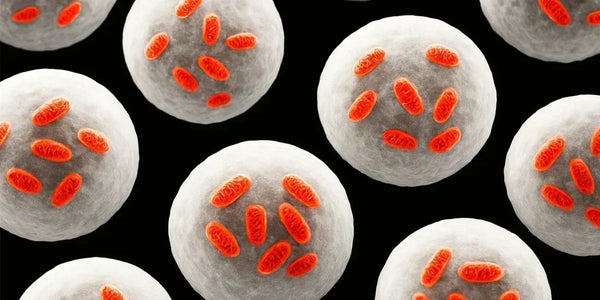
- Pain relief: Red light penetrates deep into the skin and promotes the production of ATP (adenosine triphosphate), resulting in increased energy production in cells. This may help reduce pain and inflammation in people with fibromyalgia.
- Improved sleep quality: Fibromyalgia is often accompanied by sleep problems. Red light therapy may regulate the production of melatonin, the hormone responsible for a healthy sleep-wake rhythm, which may improve sleep quality.
- Stress reduction: Using red light therapy may also help reduce stress and anxiety, which are often experienced by people with fibromyalgia.

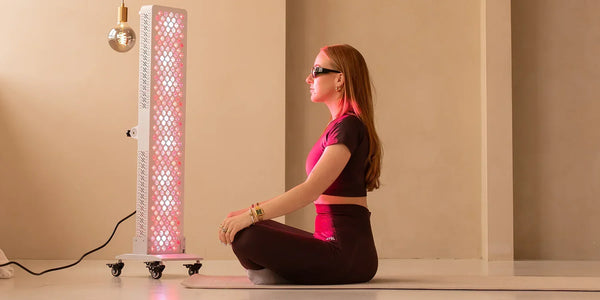
How to use red light therapy at home?
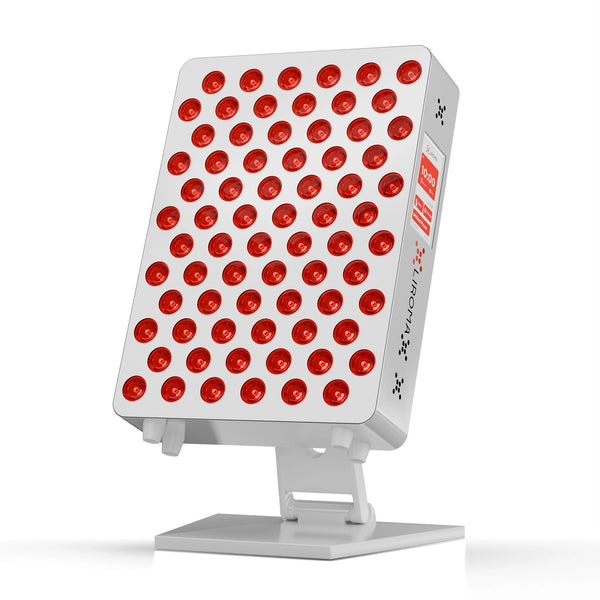
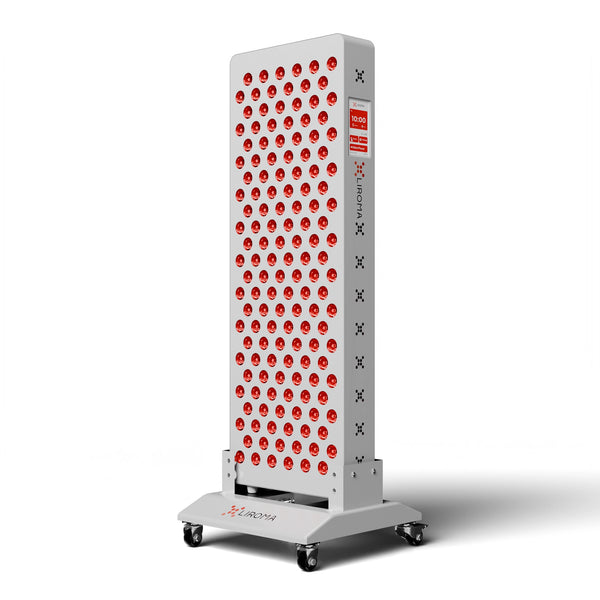
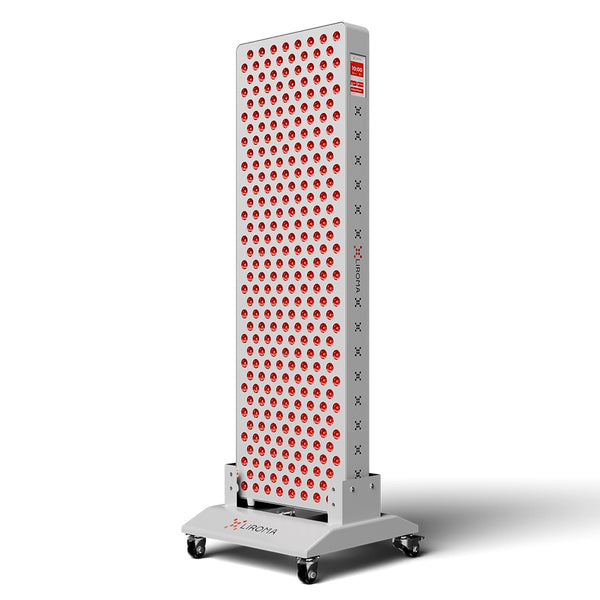
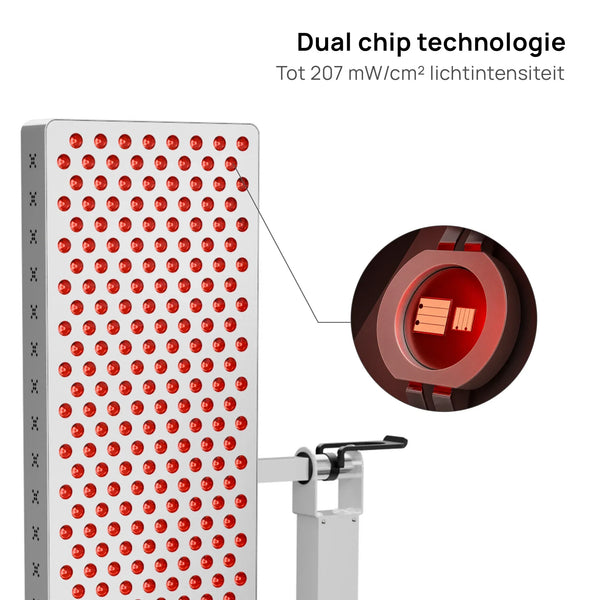
- Choose the right device: Various portable devices are available for home use. Make sure you choose a reliable device with the right wavelength for effective results.
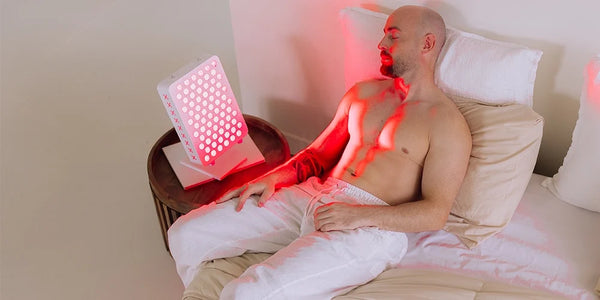
- Daily sessions: Regular red light therapy sessions are recommended for optimal results. Start with short sessions and gradually increase the duration.
- Target painful areas: Focus the red light therapy on the areas where you experience the most pain.
View all red light therapy lamps

Conclusion
Although fibromyalgia is a challenging condition to live with, red light therapy offers a promising complementary approach to relieving symptoms.
Always consult your doctor before trying new treatments and consider red light therapy as a valuable addition to your fibromyalgia management plan. With the right care and attention, red light therapy can have a positive impact on your quality of life.
Want to try it yourself? Check out Liroma's red light panels. You have 60 days to test at home whether they suit you.
View the panels