Red Light Therapy and rosacea: Does it work?
Your cheeks turn red after a warm shower and stay red all evening. Red Light Therapy is not a cure for rosacea and has not yet been 100% proven, but the indications are promising. The light has anti-inflammatory effects and may support the skin barrier. As a result, many users experience less redness and a calmer skin sensation. Common guidelines are 3 to 5 times per week, 10 to 20 minutes per session, at a distance of 30 to 50 cm. Most people notice calmer skin after 2 to 4 weeks, while visibly reduced redness often takes 6 to 12 weeks. Below, you'll learn what rosacea is, what the science says and how to use it safely.
Redness, broken capillaries or pimples that just won't go away... sound familiar? Red light therapy is increasingly being mentioned as a gentle way to soothe the skin. But does it also work for rosacea, or is it mostly hype? You'll find out below.

60-day home trialFree shipping7 years of experience in light therapy
Please note: this information is based on scientific sources, customer experiences and our own knowledge of light therapy. It is not medical advice. If you take medication, have a medical condition or are unsure, talk to your doctor or a specialist first.
What is rosacea?
Rosacea is a chronic skin condition that mainly affects the face, including the cheeks, nose, chin and sometimes the forehead. The skin may become red, flush easily, feel sensitive and sometimes show small blood vessels or bumps that resemble acne.
Common symptoms
- Persistent redness
- Visible blood vessels
- Bumps or pimples that resemble acne
- Burning, stinging or warm sensation
- Sensitive skin that reacts quickly
- Sometimes dry, irritated or red eyes
Rosacea looks different for everyone. One person may mainly have redness, while another may have more bumps or visible blood vessels, and some people have multiple forms at the same time.
Known triggers
Although the exact cause of rosacea is still not entirely clear, we do know that certain factors can worsen symptoms. Common triggers include:
- Alcohol
- Spicy food
- Heat, saunas and sun
- Stress
- Temperature fluctuations
- Harsh skincare or over-exfoliating
Recognizing your personal triggers can already help greatly reduce flare-ups.

Does red light therapy work for rosacea?
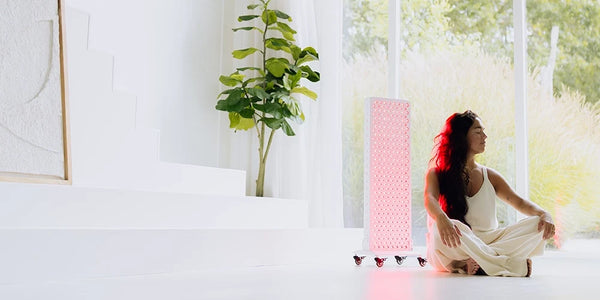
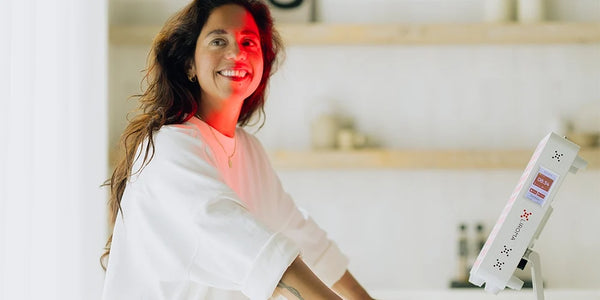
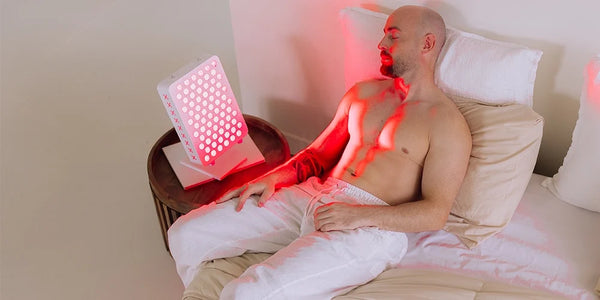
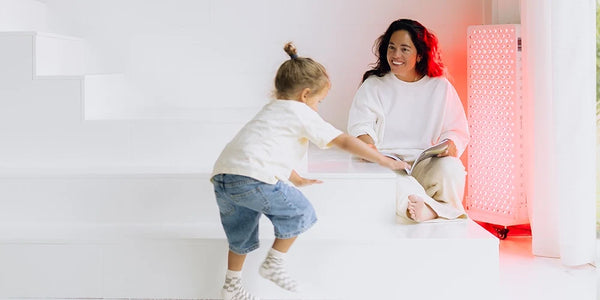
Red Light Therapy, also known as photobiomodulation or LLLT, uses red and near-infrared light to support the skin. It is non-invasive, gentle and suitable for sensitive skin types, making it an interesting option for many people with skin concerns.
What many users experience:
- Less visible redness
- A calmer, less “irritated” skin feel
- Less intense flushing
- A more even skin texture
Red light therapy is not a miracle cure or a cure, but it can play a supportive role within a broader skincare routine.
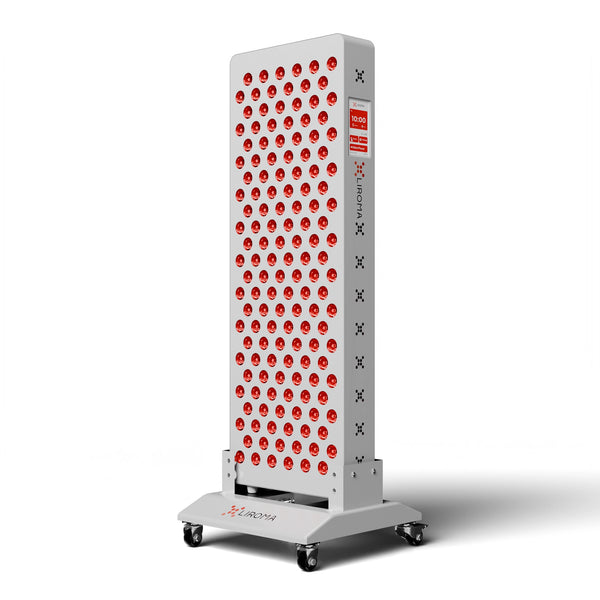
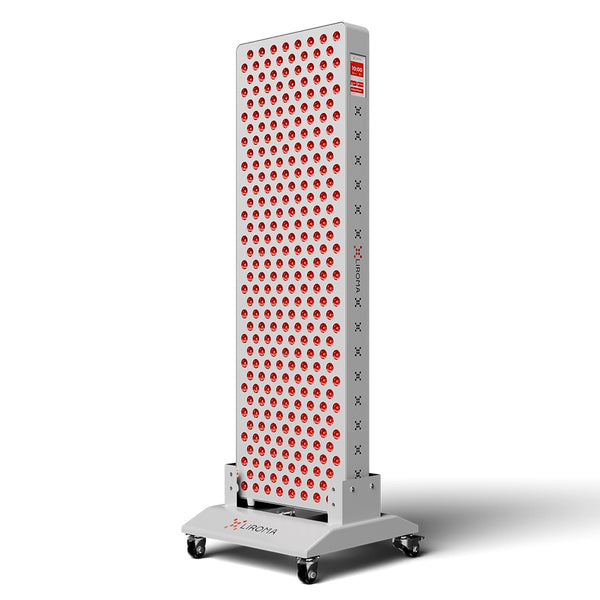
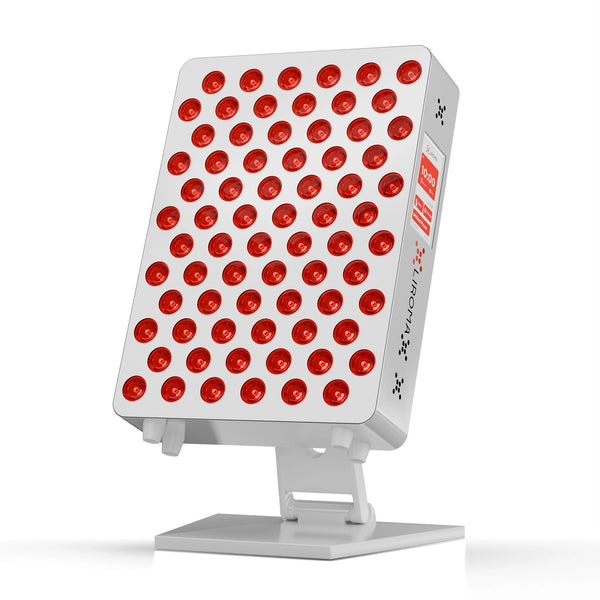
View all red light therapy panels
What does the science say?
The science surrounding red light therapy is advancing rapidly, and the initial results are positive. Still, it is important to remain honest: it is not yet 100% proven that red light therapy works for everyone with rosacea. But the evidence is promising.
What do we know?
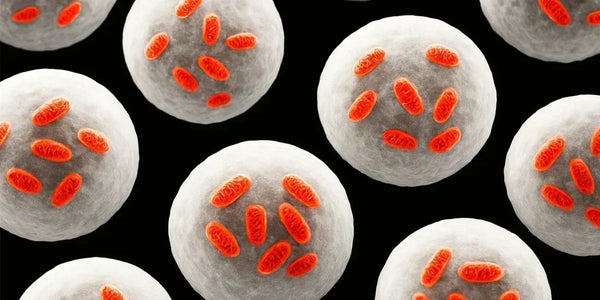
- Red light supports cellular repair: The light is absorbed by the mitochondria (the “energy factories” of your cells), increasing ATP production. More energy = better recovery.
- It has anti-inflammatory effects: Red light can influence and calm inflammatory processes in the skin, an important consideration with rosacea.
- It improves blood circulation and lymphatic drainage: This helps remove waste products and absorb nutrients more effectively.
- It supports the skin barrier: A stronger skin barrier means less sensitivity and less severe reactions to triggers.

Are there any side effects of light therapy?
Red light is known to be safe and gentle, especially compared with more intensive treatments such as lasers or IPL. Still, there are a few things to keep in mind:
Possible side effects
- Mild skin irritation with excessive use or low-quality devices
- Eye irritation when looking directly into the light; always use eye protection
- Long-term effects are not yet fully known, although red light has been used safely for years
A review by Harvard Medical School emphasizes that red light therapy is particularly popular because of its non-intensive nature and minimal side effects.
How do you use red light lamps?
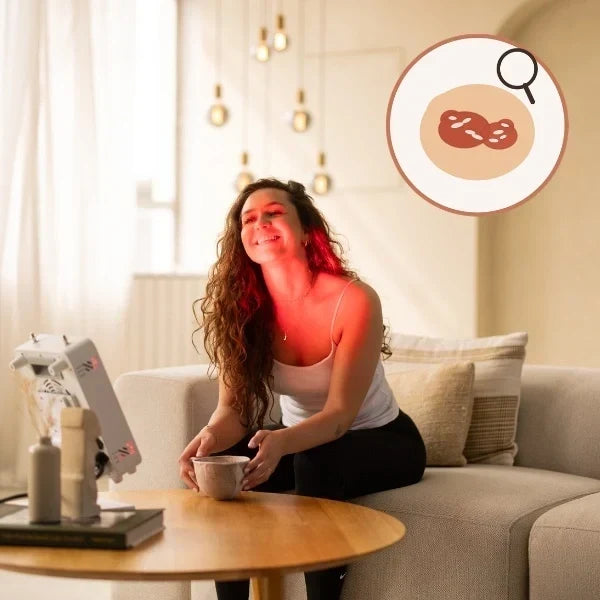
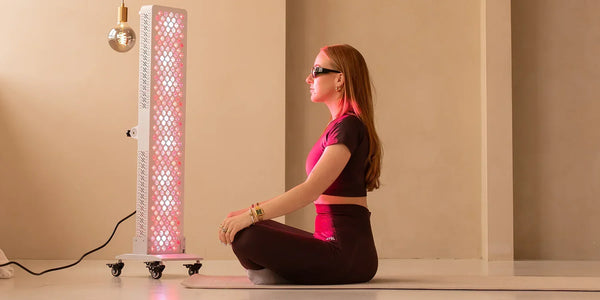
Red light panels work best when you use them correctly and regularly. The exact settings vary by device, but these are safe, commonly used guidelines:
- Distance: keep the panel approximately 30–50 cm from your skin.
- Duration: use it for 10–20 minutes per session.
- Frequency: 3–5 times per week is ideal for most people.
- Area: direct the light at the areas where you experience rosacea (usually the cheeks, nose, chin, or forehead).
- Eye protection: always wear protective goggles, especially with powerful panels.

Practical tips & expectations
Always use Red Light Therapy on clean, calm skin and build up slowly so you can see how your skin responds.
Consistency is important: several short sessions per week work better than an occasional long one. Combine it with a mild, fragrance-free skincare routine and avoid irritating products immediately before use.
Most people notice after 2–4 weeks that their skin feels calmer, while visible reduction in redness often takes 6–12 weeks. The more regularly you use it, the greater the chance that your skin will truly benefit from Red Light Therapy.
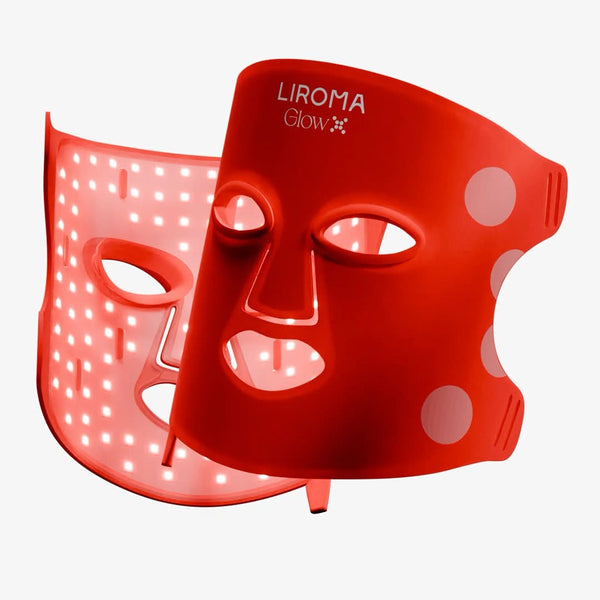
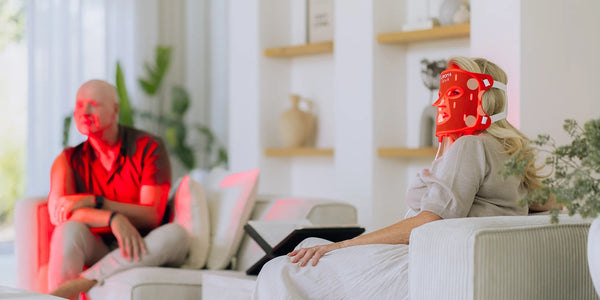
Tip: Targeted treatment with a face mask
For facial rosacea, a light therapy face mask can be a great option. It works the same as a red light therapy panel, but focuses entirely on the face and often feels more comfortable for people with sensitive skin.
Conclusion
Although there is still no 100% certainty, current science shows promising results regarding Red Light Therapy and its positive effect on rosacea. The effects vary from person to person, but for many people it can provide noticeable relief.
Therefore, see Red Light Therapy primarily as a mild, supportive addition to your skincare routine, not as a medical treatment.
Want to try it yourself? Discover Liroma's light therapy for the skin. You have 60 days to test at home whether it suits you.
View for the skin