Stimulate mitochondria: discover the power of red light therapy
You sleep enough hours, but by the middle of the afternoon, your energy is still gone. Red and near-infrared light are absorbed by cytochrome c oxidase, an enzyme in your mitochondria. This can increase ATP production, improve oxygen uptake in the cell, reduce oxidative stress, and inhibit inflammatory processes. Because nearly every cell contains mitochondria, this affects the entire body: faster recovery of muscles and tissues, less inflammation and pain, and more energy. Below, you will read what mitochondria do exactly, what the research shows, and why athletes use them.
60-day home trialFree shipping7 years of experience in light therapy
Please note: this information is based on scientific sources, customer experiences and our own knowledge of light therapy. It is not medical advice. If you take medication, have a medical condition or are unsure, talk to your doctor or a specialist first.
Mitochondria: your body's energy source and the key to red light therapy
Mitochondria play an essential role in our health. They are often described as the power plants of our cells, and for good reason. Without properly functioning mitochondria, the body simply does not have enough energy to function optimally, recover, and renew itself.
This makes mitochondria extremely important to the way red light therapy works. Red light therapy does not work only superficially; it penetrates to the cellular level, where it directly affects the mitochondria.

What are mitochondria?
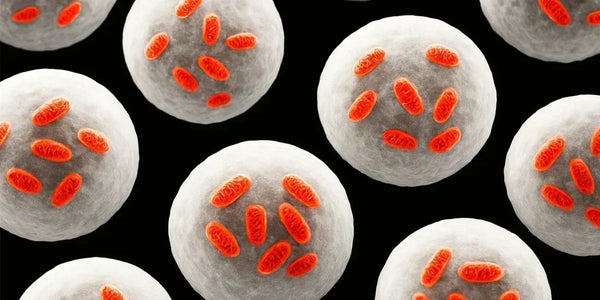
Mitochondria are small structures found in nearly every human cell. Their primary function is to produce ATP, adenosine triphosphate. ATP is the body's universal energy source and is needed for virtually all processes, such as muscle contraction, cell renewal, nerve conduction, and metabolism.
Depending on the type of cell, there may be hundreds to thousands of mitochondria. Active tissues such as muscles, the brain, and organs contain relatively many mitochondria because their energy needs are much higher.
The human body consists entirely of cells
The human body consists of trillions of cells. Every muscle, organ, nerve, and piece of skin is made up of cells that continuously need energy to function properly.
Almost all of these cells contain mitochondria. These mitochondria produce ATP and enable cells to repair themselves, renew themselves, and continue functioning optimally. When mitochondria function less effectively, energy production decreases. This can lead to fatigue, slower recovery, and reduced performance.
Because red light therapy acts directly on the mitochondria, this form of light therapy can affect the entire body and not just one specific area.
View all red light therapy panels
ATP production and cellular energy
ATP is produced in the mitochondria through a process called oxidative phosphorylation. During this process, oxygen and nutrients are converted into usable energy. This energy is essential for every biological process in the body.
When ATP production decreases, an energy deficit develops in the cell. This can lead to fatigue, slower recovery, reduced muscle strength, and increased susceptibility to inflammation. More information about ATP and energy production is available through the National Center for Biotechnology Information NCBI.

How red light therapy activates the mitochondria
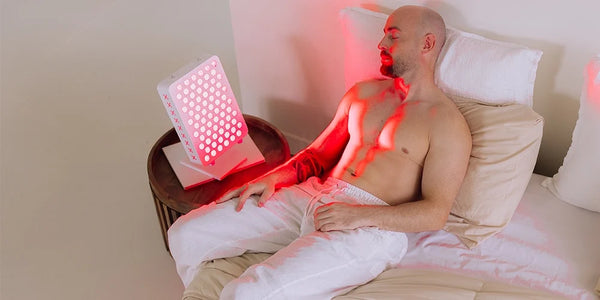
Red light therapy, also known as photobiomodulation , uses specific wavelengths of red and near-infrared light. These wavelengths are absorbed by cytochrome c oxidase, an important enzyme in the mitochondria.
Cytochrome c oxidase plays a key role in the electron transport chain and therefore in ATP production. A clear explanation of this mechanism can be found in this article about cytochrome c oxidase activation and mitochondrial stimulation.
This light absorption produces several positive effects:
- increased ATP production
- improved oxygen uptake in the cell
- reduction of oxidative stress
- inhibition of inflammatory processes
Scientific research shows that red and near-infrared light can increase mitochondrial ATP production, leading to more energy at the cellular level and improved cellular recovery capacity.

Why more ATP provides so many benefits
When mitochondria work more efficiently and produce more ATP, the entire body benefits. This translates into several benefits that many people notice directly in everyday life.
Examples of benefits that may occur when cellular energy increases:
- faster recovery of muscles and tissues
- reduced inflammation and pain
- more energy and less fatigue
- improved muscle strength and endurance
- support for rheumatic and inflammation-related complaints
- better circulation and oxygen supply
- improved recovery from overexertion and stress
An interesting human study investigating how light therapy can influence metabolic processes can be found here: a human study showed that photobiomodulation improved mitochondrial function and influenced metabolic processes.
This explains why red light therapy is increasingly used by athletes, in physical therapy and rehabilitation, and by people who want to support their vitality.
Scientific literature on photobiomodulation and mitochondria
Scientific interest in photobiomodulation has grown enormously in recent years. More and more publications show that red and near-infrared light can influence mitochondrial activity and energy production.
Scientific literature describes how photobiomodulation can modulate mitochondrial activity and oxidative phosphorylation, which provides an important explanation for the broad applicability of red light therapy.
Mitochondria and chronic complaints
Scientific research shows that mitochondrial dysfunction may play a role in various chronic conditions. These include long-term fatigue, inflammation-related complaints, muscle and joint pain, and neurodegenerative processes.
When mitochondria function less effectively structurally, this often results in a combination of low ATP production and increased oxidative stress. As a result, symptoms can accumulate and the body's ability to recover becomes limited.
Experimental studies also examine specific wavelengths. For example, experimental research with 650 nm LED light shows improvements in mitochondrial function under cellular stress.

Why red light therapy is popular in sports and muscle recovery
Muscle cells contain extremely high numbers of mitochondria. During training and intense exertion, muscle damage, inflammation, and temporarily reduced energy production occur. Red light therapy is therefore often used to support the recovery process.
By activating the mitochondria, the body can recover faster, allowing athletes to return to training sooner and experience less stiffness and muscle soreness.
This is also an important reason why red light therapy is increasingly used in professional sports, gyms, and recovery centers.
Why Liroma red light panels focus on mitochondrial stimulation
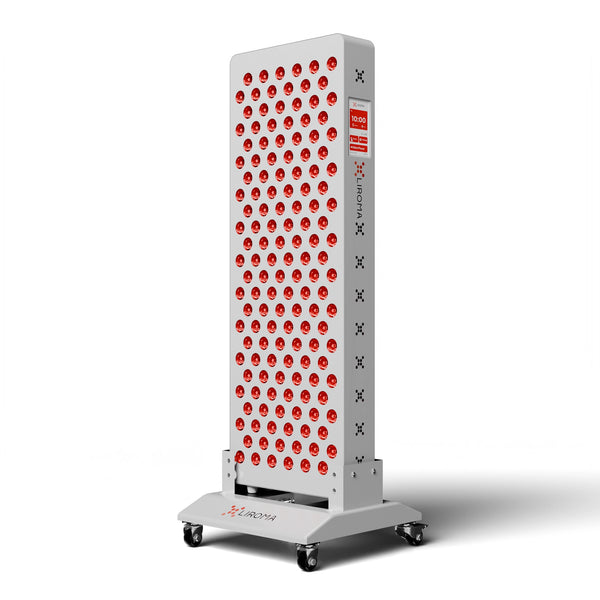
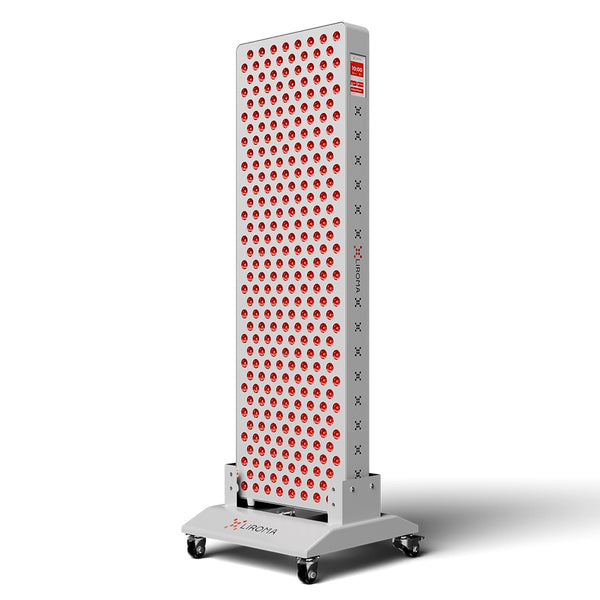
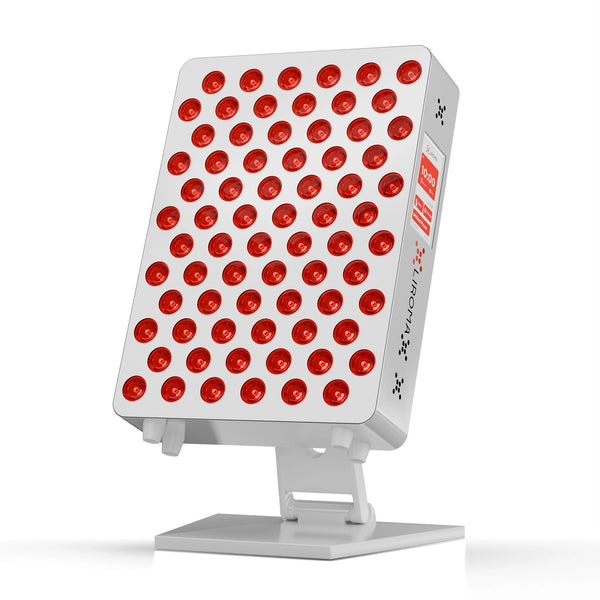
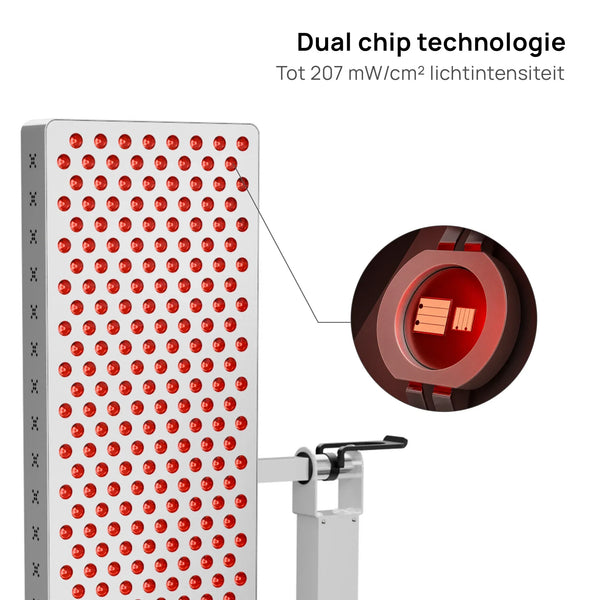
Liroma's red light panels are developed with carefully selected wavelengths that penetrate deep into the body and directly affect the mitochondria. By combining multiple wavelengths, both superficial and deeper tissue can be reached.
This makes the panels suitable for a wide range of applications, such as:
- muscle recovery and athletic performance
- inflammation reduction and pain relief
- support for stiffness and rheumatic complaints
- skin recovery and collagen processes
- overall vitality and energy
Those who want to understand the fundamentals can read more about the effects of red light therapy and how this technology is applied.
Conclusion
Mitochondria form the basis of energy production in the human body. Because our body consists entirely of cells and virtually every cell depends on ATP, supporting the mitochondria has a profound effect on health and recovery.
Red Light Therapy targets this foundation precisely. By activating the mitochondria and supporting ATP production, red light therapy helps the body with recovery, performance, inflammation reduction, and vitality.
View all red light therapy panels
Want to try them yourself? Explore Liroma's red light panels. You have 60 days to test at home whether they suit you.
View the panels