Red Light Therapy for sun damage: what does it do for the skin?
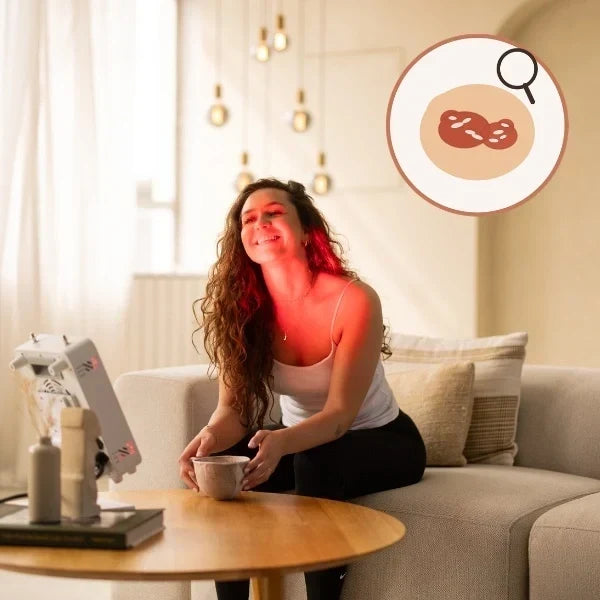
Red light works differently from UV: wavelengths of approximately 630 to 700 nm and near-infrared light up to approximately 850 nm penetrate deeper into the skin and activate the mitochondria. As a result, the skin may produce more collagen and elastin, redness may decrease, and damaged cells may recover more quickly. Not everything has been 100% proven, and it does not replace medical treatment; as a supplement, use a panel 2 to 5 times per week, for 10 to 20 minutes per session, at a distance of 30 to 50 cm. Below, you’ll read what sun damage is, what the science says, and how to use it at home.
Sunspots, fine lines, or skin that looks just a little less radiant after summer… sound familiar? Sometimes it seems as though your skin needs weeks to recover from all that sunlight. Red light therapy is often mentioned as a gentle way to support that recovery. You can read below exactly how it works.
Please note! The text below is not intended as medical advice. This text is based on our own knowledge, user experiences, and various online sources.
Table of contents

60-day home trialFree shipping7 years of experience in light therapy
Please note: this information is based on scientific sources, customer experiences and our own knowledge of light therapy. It is not medical advice. If you take medication, have a medical condition or are unsure, talk to your doctor or a specialist first.
What exactly is sun damage?
We all know that sunshine feels good, but your skin may sometimes feel differently. UV radiation can cause quite a lot of damage, often without you noticing it right away.
Common signs of sun damage include:
- fine lines and wrinkles
- pigmentation spots or dark patches
- redness and irritation
- dull, rough, or leathery skin
- loss of elasticity
- visible blood vessels
- and, of course… sunburn
UV radiation damages the DNA in your skin cells, breaks down collagen and elastin, and can even increase the risk of skin cancer in the long term. UVA (which penetrates deeper into the skin) and UVB (which causes superficial sunburn) play a major role in this.
How does red light therapy work for sun damage?
It may sound contradictory: using light to repair damage caused by light. But red light works completely differently from UV.
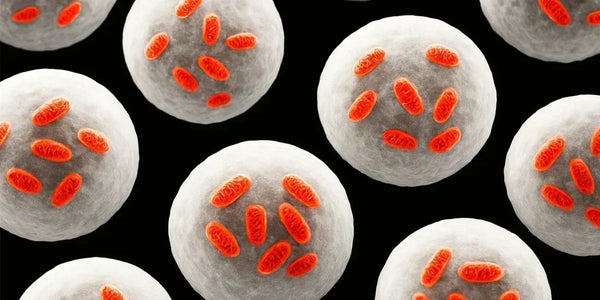
Red light (around 630–700 nm) and near-infrared light (up to approximately 850 nm) have longer wavelengths that penetrate deeper into the skin. They activate the mitochondria, the energy factories of your cells, giving your skin literally more energy to recover.
What happens then:
- More collagen & elastin: your skin becomes firmer and smoother.
- Less inflammation: redness and irritation are reduced.
- Improved circulation: more oxygen and nutrients for your skin.
- Faster recovery: damaged cells are replaced more efficiently.
- Support for sunburn: red light may help soothe the inflammatory response after UVB damage.

What is red light used for?
Red Light Therapy is often used for various skin and recovery processes, including:
- Support for sun damage (such as pigmentation, redness, and fine lines)
- Stimulation of collagen and elastin for firmer, smoother skin
- Reduced inflammation and soothing of irritated skin
- Improved circulation and oxygen supply to the skin
- Accelerated cell repair after damage or irritation
- Support for wound healing and skin regeneration
- Improved skin barrier and hydration
- Support for redness or sensitivity after sun exposure or other triggers
- Overall skin rejuvenation and improved tone and texture
View all red light therapy panels
What does the science say?
Red Light Therapy is being studied more extensively, but not everything has been 100% proven yet. What we do see in various studies is that red light has interesting effects on skin repair, including when sun damage is involved.
- Support for DNA repair & less inflammation: A study shows that red light may help clear certain forms of UVB-related DNA damage more quickly and reduce inflammatory responses.
- More collagen & improved skin structure: Research shows that red light stimulates collagen production and improves skin texture. This is important because UV radiation breaks down collagen.
- Faster cell repair & regeneration: Another study shows that red light activates the mitochondria, giving cells more energy to recover. This accelerates wound healing and reduces inflammation.

How do you use red light therapy lamps?
Want to get started yourself? These guidelines can help:
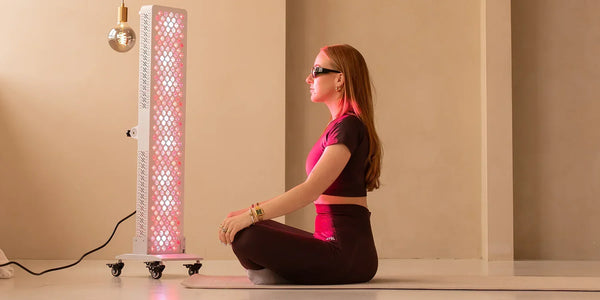
- Frequency: 2 to 5 times per week works well for most people.
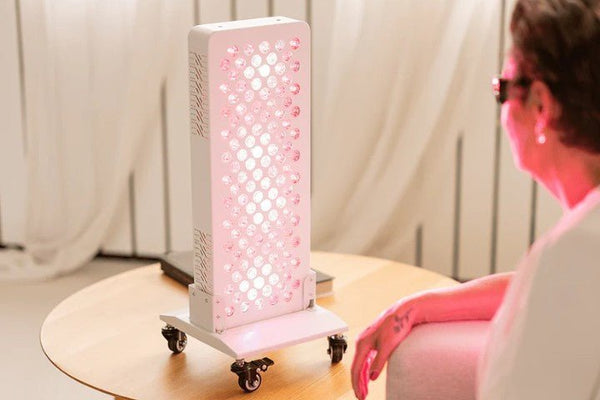
- Duration: 10 to 20 minutes per session.
- Distance: approximately 30 to 50 cm from the skin.
- Consistency: short and regular is better than very long sessions every now and then.
- Listen to your skin: Does your skin feel calmer, less warm, or simply more comfortable? Then you're on the right track.
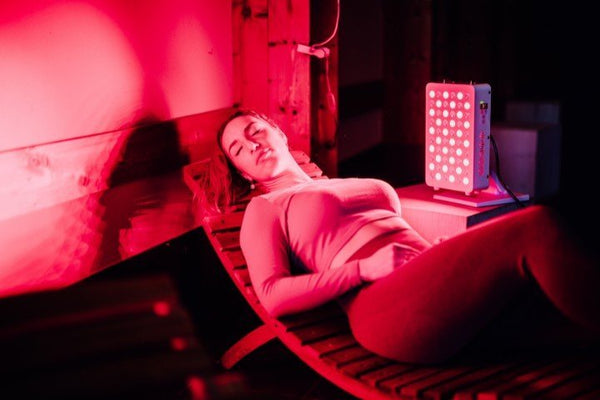
You don't need to do anything special: no creams, no heat, no complicated steps. Just sit for a moment, relax, and let the light do its work.
Conclusion
Red Light Therapy can certainly support your skin in recovering from sun damage. It helps calm redness, stimulates collagen, and gives your skin extra energy to recover. It does not replace medical treatment, but it can be a pleasant, gentle, and effective addition to your routine.
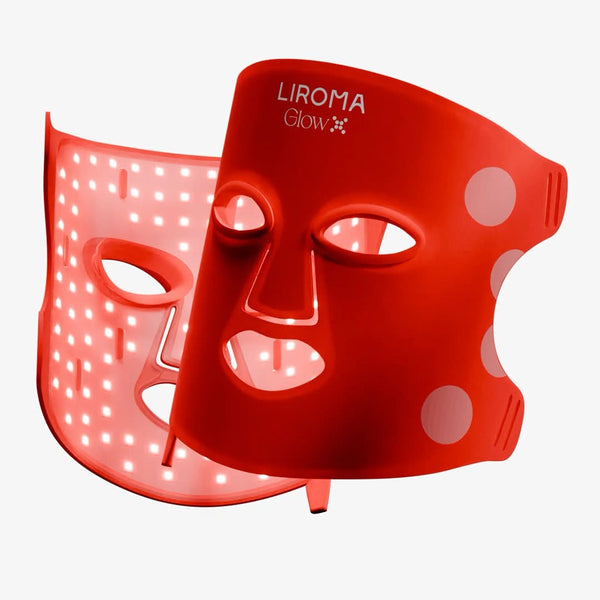
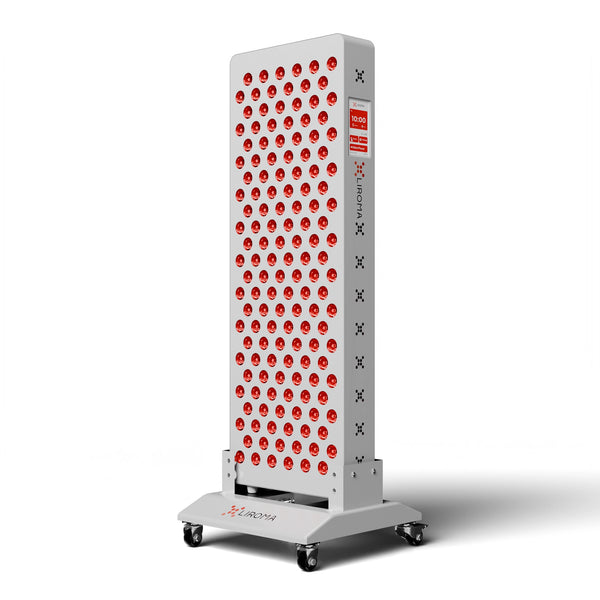
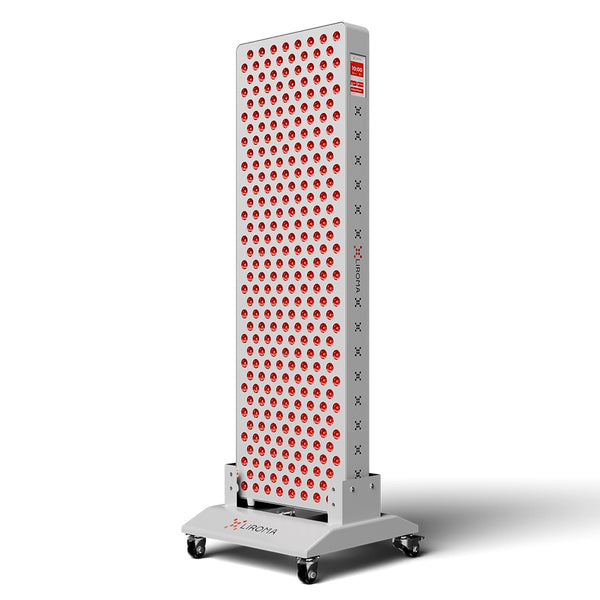
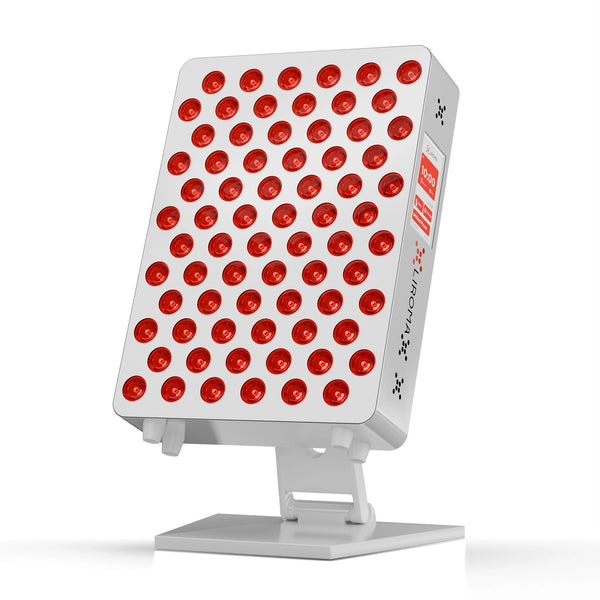
Want to try it yourself? View Liroma's red light panels for the skin. You have 60 days to test at home whether it suits you.
View for the skin