How infrared lamps work: how Infrared therapy REALLY works
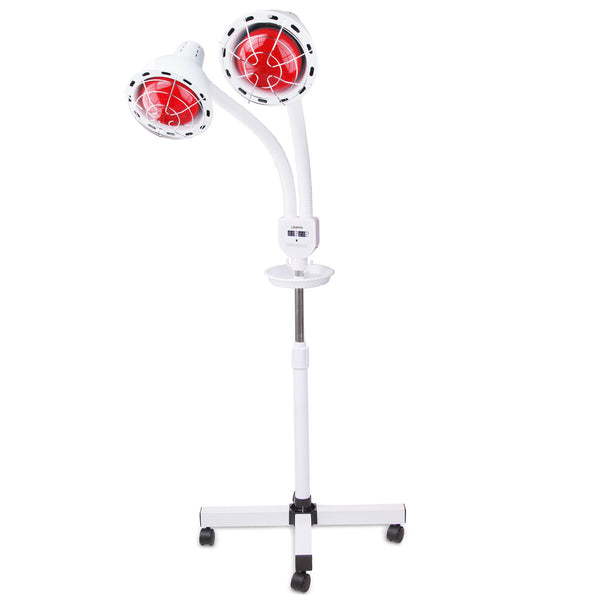
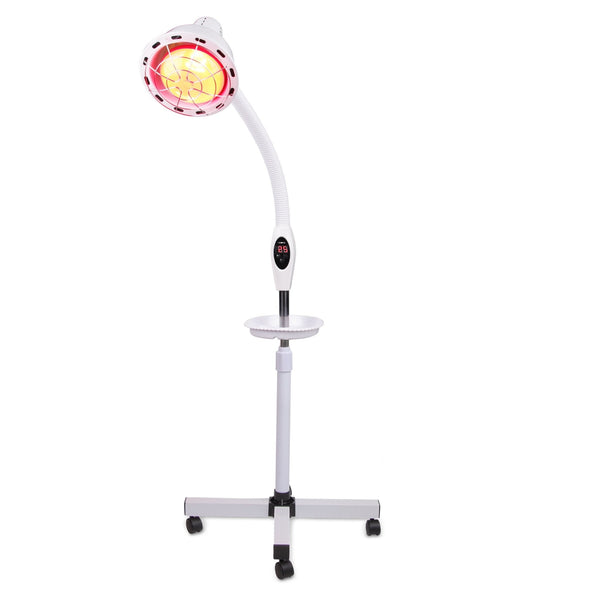
An Infrared lamp emits invisible Infrared light, usually near-infrared (IR-A, 780 to 1400 nm), which is converted into heat as soon as it reaches your skin. Unlike a regular heat lamp, it does not heat the air around you, but directly heats your skin and the tissue beneath it, penetrating several millimeters to centimeters deep. This local increase in temperature stimulates blood circulation and cell metabolism: at the cellular level, the mitochondria absorb the light and produce more ATP. Below, you’ll read about the types of infrared radiation (IR-A, IR-B, and IR-C), why infrared penetrates deeper than ordinary heat, and what happens in your muscles.
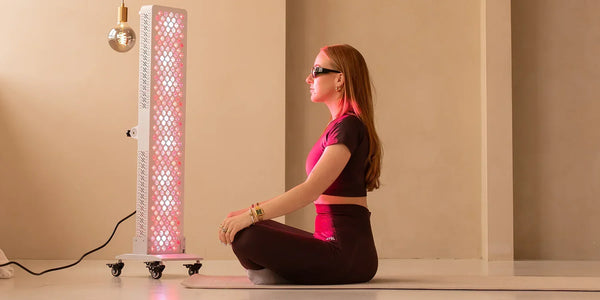
You often see an Infrared lamp in wellness centers, physiotherapy practices, or simply at home on the bedside table. You immediately feel it getting warm, but what is really happening beneath your skin? In this blog, we take a closer look at how infrared lamps work.
Please note! The following text is not intended as medical advice. This text is based on our own knowledge, customer experiences, and various online sources.
Table of contents

60-day home trialFree shipping7 years of experience in light therapy
Please note: this information is based on scientific sources, customer experiences and our own knowledge of light therapy. It is not medical advice. If you take medication, have a medical condition or are unsure, talk to your doctor or a specialist first.
What exactly does an Infrared lamp do?
An Infrared lamp emits invisible Infrared light, usually in the near-infrared spectrum (IR-A). This light is converted into heat as soon as it reaches your skin. Unlike a regular heat lamp, an Infrared lamp does not heat the air around you, but directly heats your skin and the underlying tissues.
We call this radiant heat or deep heat. Depending on the type of radiation, the lamp can penetrate several millimeters or even centimeters into your body. This gives your body a burst of heat from within, without overheating the surface of the skin.
An infrared panel is therefore much more than just a source of warmth; it is an activating aid that influences processes in your body.
Recommended reading: What is the difference between infrared light and red light?
How does Infrared light work in the body?
As soon as infrared light penetrates your skin, a local increase in temperature occurs in the tissue. This heat:
- Stimulates blood circulation
- Stimulates cell metabolism
- Helps remove waste products more quickly
- Delivers more oxygen and nutrients to muscles and skin
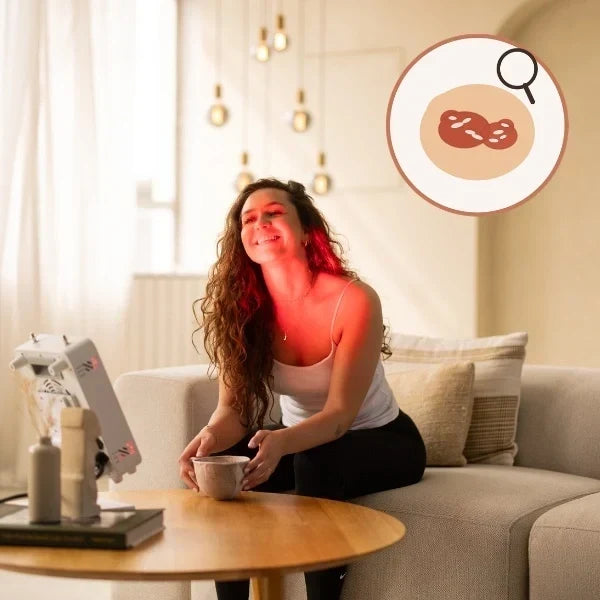
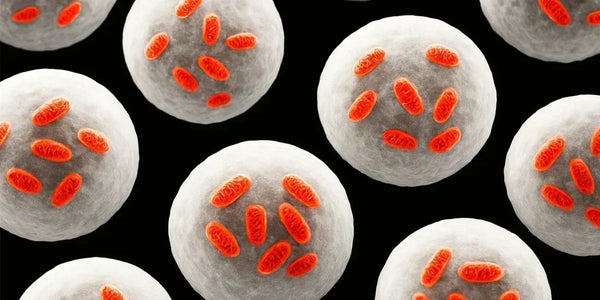
At the cellular level, the light is absorbed by the mitochondria, the ‘power plants’ of your cells. In response, they produce more ATP (energy), allowing your body to recover more quickly from muscle soreness, inflammation, or stiffness, for example.
So the lamps do not work superficially; they genuinely influence biological processes.

What types of infrared radiation (wavelengths) are there?
Infrared radiation is divided into three types:
- IR-A (near-infrared, 780–1400 nm): Most commonly used in Infrared lamps. Penetrates deeply into the skin and muscles.
- IR-B (mid-infrared, 1400–3000 nm): Does not penetrate as deeply. Used more in saunas than in lamps.
- IR-C (far-infrared, 3000–10,000 nm): Reaches only the upper layer of the skin. Promotes sweating and detoxification.
Effective results usually rely on IR-A radiation, as it has the greatest effect on muscles, joints, and cellular processes.
Please note! Some Infrared lamps combine multiple forms of radiation, but IR-A is the standard for therapeutic use in lamps.
Why does infrared penetrate deeper than ordinary heat?
A traditional heat lamp or hot-water bottle mainly warms the surface of your skin through convection or conduction. The heat largely remains on the outside.
An Infrared lamp works differently. The light consists of waves that radiate directly through the skin, without requiring air or contact heat. These waves reach deeper tissues, such as muscles and joints, and even bones (with NIR light). It is more intense, targeted, and effective than ordinary heat.

What happens in your muscles when exposed to infrared radiation?
The effects of infrared on muscles are one of the main reasons why this technology is so popular. Here is what happens:
- Muscle fibers relax more quickly as the temperature rises
- Waste products such as lactic acid are removed more quickly
- Microcirculation increases: more blood flows to small capillaries
- Muscle recovery is accelerated through improved delivery of oxygen and ATP
Infrared can also provide relief from muscle tightness, muscle tension, or minor inflammation. It works both relaxingly and activatingly, exactly what your muscles need after exertion or stress.
Conclusion
An Infrared lamp works by using near-infrared radiation (IR-A), which penetrates deeply into your skin and muscles. The lamp does not heat the air, but directly heats your tissues, with all the associated positive effects:
- Improved circulation
- Faster muscle recovery
- Pain relief
- Activation of cellular energy
Its power lies in the combination of deep action and biological activation. Whether you are recovering from a workout, dealing with stiff muscles, or simply looking to relax: infrared supports your body from within.
Want to try it yourself? Explore Liroma’s infrared lamps. You have 60 days to test at home whether it suits you.
View the infrared lamps