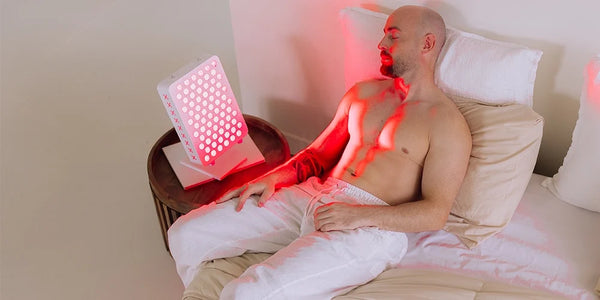
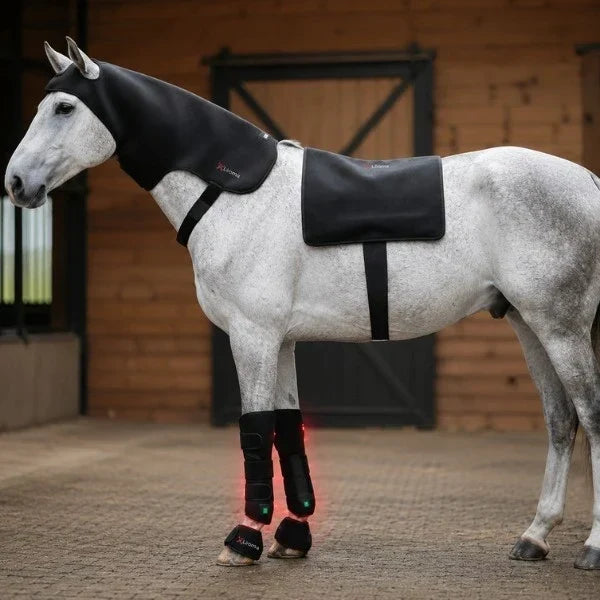
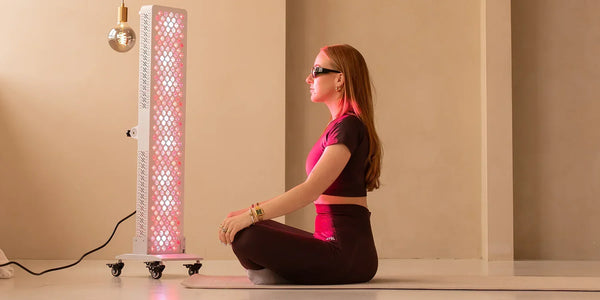
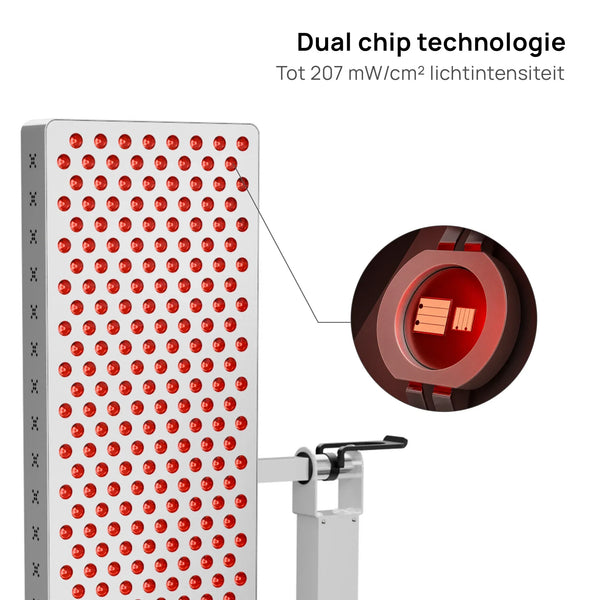
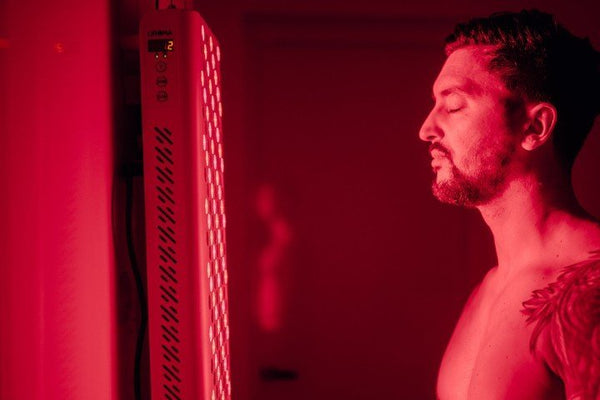
This makes it easier for people with rheumatism to manage pain and improve joint function. If your condition involves cartilage wear, read the explanation about
red light therapy for osteoarthritis, including the distance and session duration that Liroma uses for each joint.
Relieve rheumatic pain with light therapy
Rheumatism causes inflammation and stiffness in the joints, which can lead to mobility problems. Both red light and infrared therapy are effective treatments for reducing these symptoms.
Red light stimulates cell repair and reduces inflammation, relieving pain and helping the joints function better.
Infrared therapy focuses on relaxing stiff muscles and improving blood circulation, providing relief for both acute and chronic rheumatic pain.
Fibromyalgia and rheumatism: How light therapy can help
Although fibromyalgia is often confused with rheumatism, the conditions are different. Rheumatism causes inflamed joints, while fibromyalgia affects pain and stiffness in the muscles and soft tissues, along with symptoms such as fatigue and sleep problems.
Red Light Therapy can stimulate cell activity, promoting muscle recovery and reducing pain.
Infrared therapy relaxes the muscles and improves blood flow, helping to reduce stiffness and fatigue, ultimately leading to better relaxation and sleep.
Want to learn more?
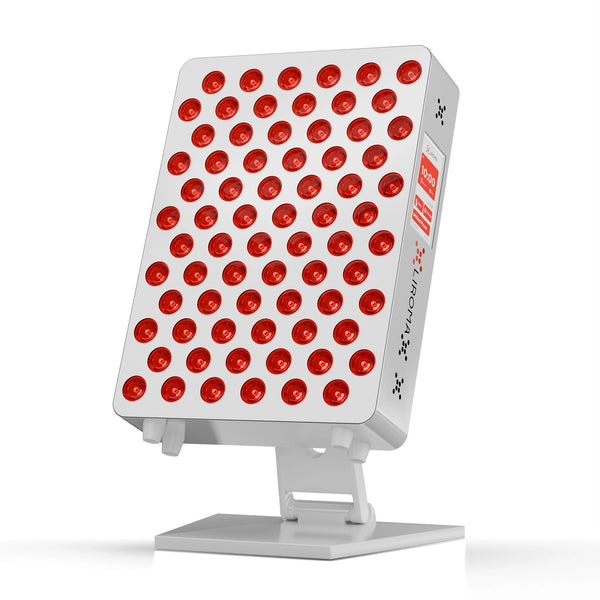
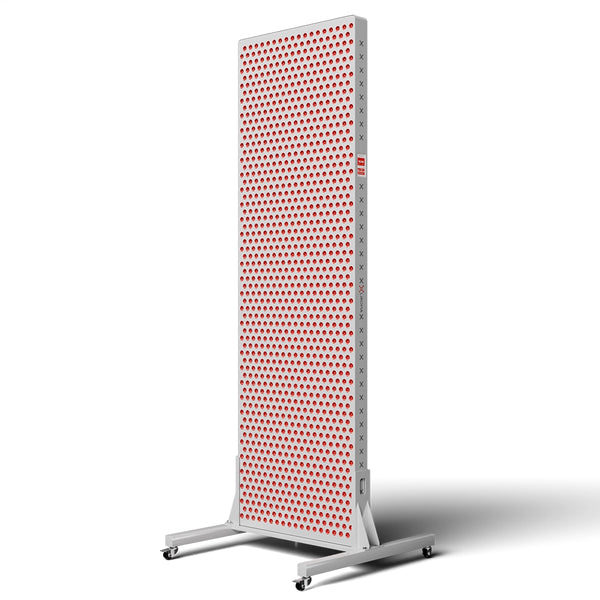
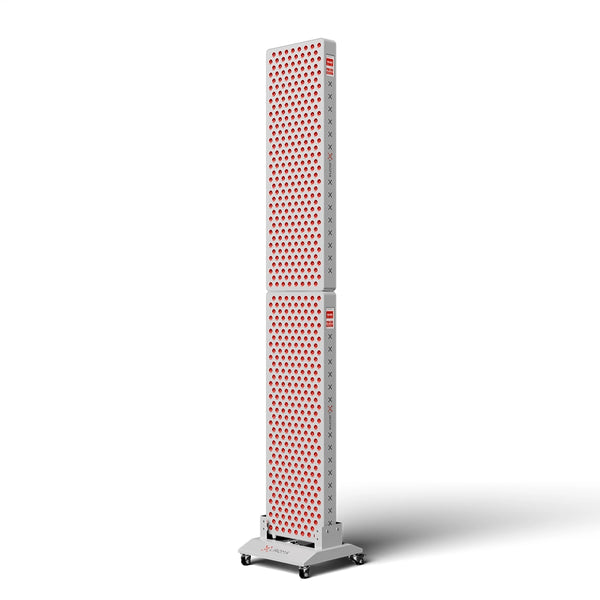
Click on a product of your choice for more information about its exact applications, benefits, and instructions for use. Curious about other people's experiences? Read the reviews and discover what red light and infrared light can mean for your symptoms!


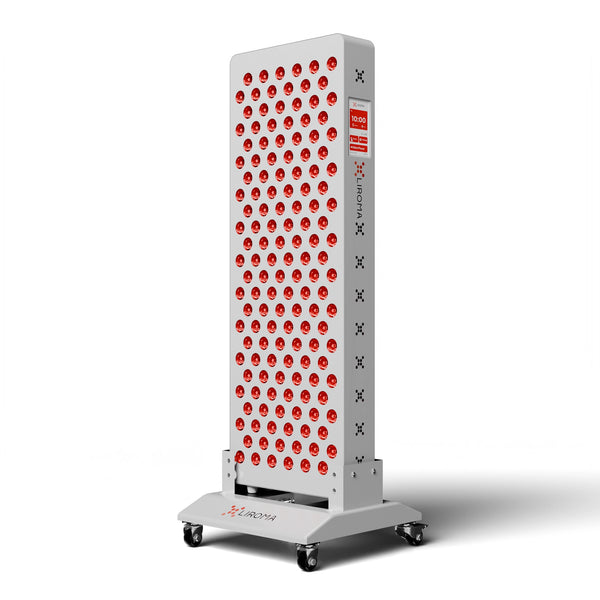

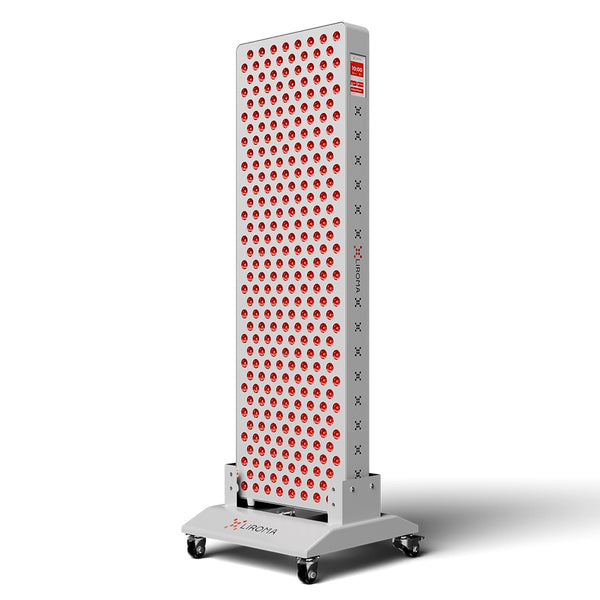

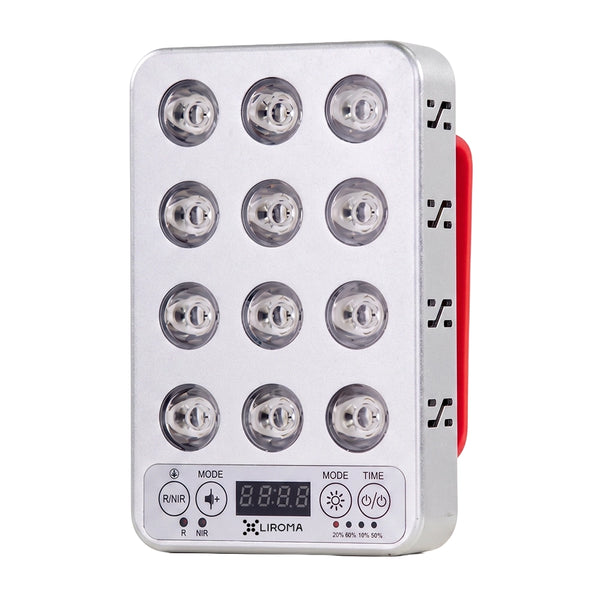




 Try it for 60 days✓Money-back guarantee
 Pay in installments