Infrared and red light: How lamps and light work
Search results often mix up red light and infrared, as if they were the same thing. Red light (600 to 700 nanometers) penetrates several millimeters into the skin and reaches the mitochondria in your cells, where it increases ATP production. Infrared light has longer wavelengths (IR-A), penetrates deeper into muscles, joints, and tissues, and emits heat. Use red light for 10 to 20 minutes per session at a distance of 30 to 50 cm, and a heat-emitting infrared lamp for 10 to 15 minutes at a distance of 50 to 100 cm. Below, you can read how each type works, what you use it for, and how often.

60-day home trialFree shipping7 years of experience in light therapy
Please note: this information is based on scientific sources, customer experiences and our own knowledge of light therapy. It is not medical advice. If you take medication, have a medical condition or are unsure, talk to your doctor or a specialist first.
How does red light therapy work?
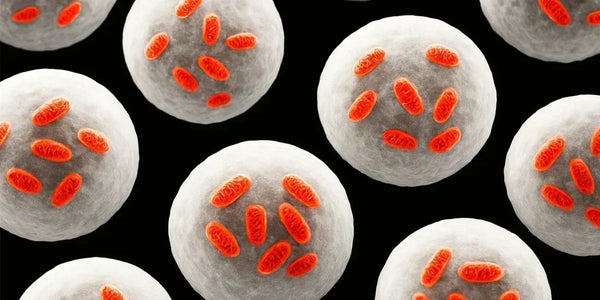
Red Light Therapy uses visible light in a specific wavelength range to stimulate your cells. It penetrates the outer layers of the skin and reaches the mitochondria, the energy factories of your cells. As a result, the production of adenosine triphosphate (ATP), your body's primary energy source, increases, accelerating recovery and growth.
Red light feels comfortable, does not emit heat, and is safe for the skin and eyes when used correctly.
Recommended reading: “Red light therapy lamps: Everything you need to know”
Wavelengths
Red light has a wavelength range of 600 to 700 nanometers. These wavelengths penetrate deep into the skin, up to several millimeters. This stimulates the mitochondria in your cells, the energy factories of your body. As a result, ATP production increases, supporting cell repair and growth.

Applications & Benefits
Red Light Therapy has many applications and benefits:
- Reduction of inflammation: Helps your body recover more quickly from injuries or irritation.
- Wound healing: Promotes the regeneration of skin cells for faster healing.
- Improved skin: Stimulates collagen production for smooth, radiant skin.
- Pain relief: Relieves muscle and joint pain, such as from arthritis or muscle soreness.
- Better sleep quality: Supports your natural sleep rhythm and reduces stress.
Using red light lamps
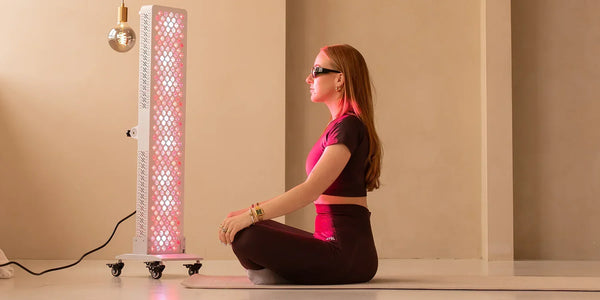
Would you like to try red light therapy at home? Follow these guidelines:
- Duration: 10 to 20 minutes per session
- Distance: 30 to 50 centimeters from the skin
- Frequency: Start with 3 to 5 times per week (you can increase this later)
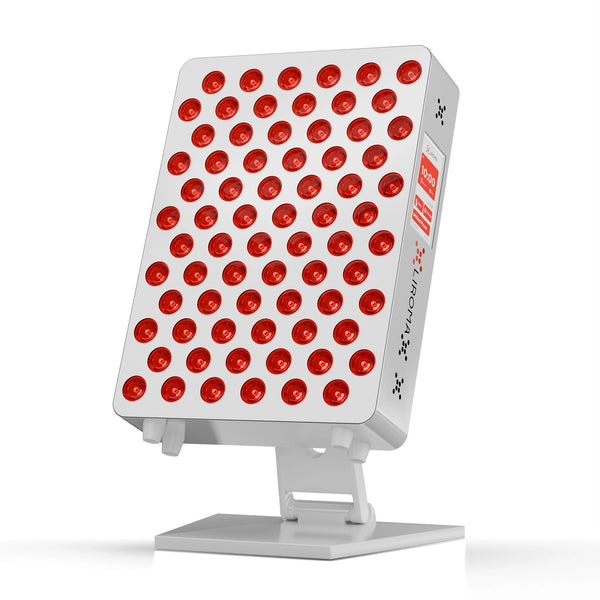
View all red light therapy lamps

How does infrared light therapy work?
Infrared therapy uses light with longer wavelengths that penetrate deeper into your body. This light reaches muscles, joints, and tissues, where it generates heat and activates recovery processes.
The deep heat relaxes muscles, stimulates blood circulation, and accelerates healing. Infrared light relieves pain, reduces stiffness and swelling, and helps your body relax. It is therefore used both in therapeutic treatments and for general relaxation.
Recommended reading: “Infrared therapy: Everything you need to know!”
Wavelengths
Infrared light is divided into 3 categories of radiation: A, B, and C (or IR-A, IR-B, IR-C). This classification is based on the wavelength of infrared light:
- Short-wave infrared (IR-A): wavelength from 0.78 µm to 1.4 µm (1 µm = 1000 nanometers)
- Mid-wave infrared (IR-B): wavelength from 1.4 µm to 3 µm (1 µm = 1000 nanometers)
- Long-wave infrared (IR-C): wavelength from 3 µm to 1,000 µm (1 µm = 1000 nanometers)

Applications & Benefits
Infrared therapy offers profound benefits for your health. For example:
- Deep pain relief: Reduces muscle stiffness and joint complaints through deep-penetrating heat.
- Faster recovery: Accelerates muscle and tissue recovery after exercise or injuries.
- Improved circulation: Supports better oxygen supply and cell recovery.
- Chronic conditions: Helps with issues such as arthritis and fibromyalgia.
- Stress reduction: Relaxes your muscles and calms your mind for greater balance.
Instructions
Want to try infrared light therapy at home? Follow these guidelines:
- Duration: 10 -15 minutes per body part
- Distance: 50 - 100 cm from the body
- Frequency: 3-4 times per week
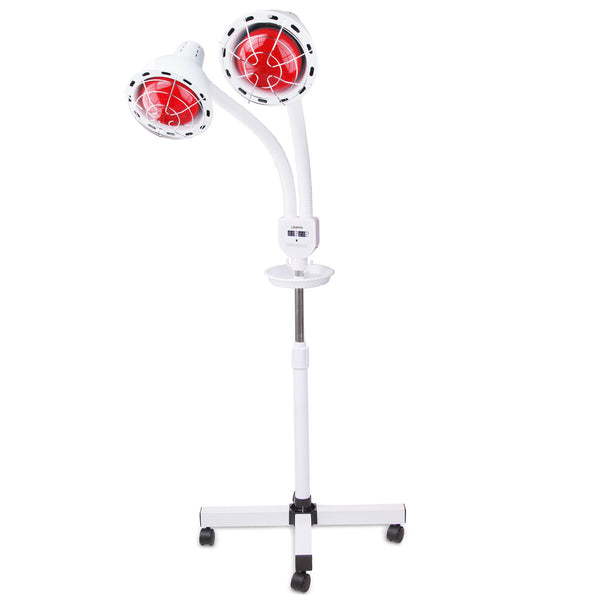
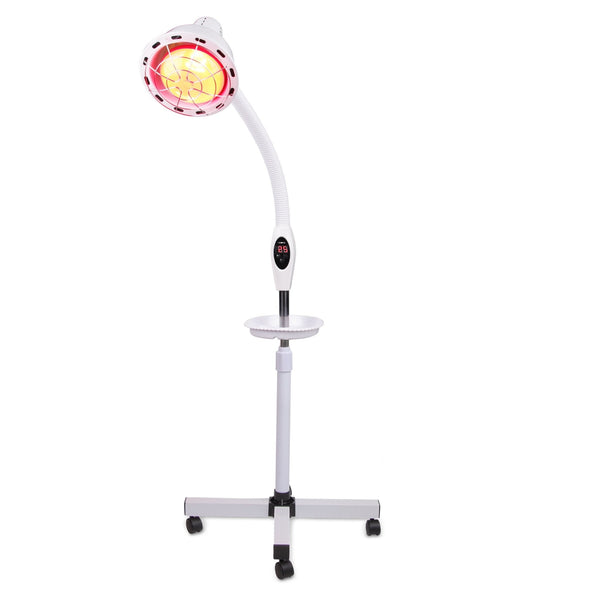
View all infrared lamps with heat

Want to learn more about the differences?
Red Light Therapy and Infrared therapy are often mentioned in the same breath, but as you can read above, they are different treatments. For a clear overview of the key differences, we have written an in-depth blog, which you can read here: “Infrared or red light: What is the difference?”
Summary | This is how light therapies work!
Red Light Therapy uses visible light that penetrates your skin to give your cells a boost. It helps reduce inflammation, promotes recovery and gives you radiant skin.
Infrared therapy goes even deeper. Thanks to its longer wavelengths, it relaxes your muscles, improves circulation and relieves pain. Ideal after a long day!
Both therapies offer great benefits, each in their own way. Choose what suits you best and experience the power of light for yourself!
Want to try it yourself? Browse Liroma's range and choose the type of light that suits you. You have 60 days to test it at home.
View all products