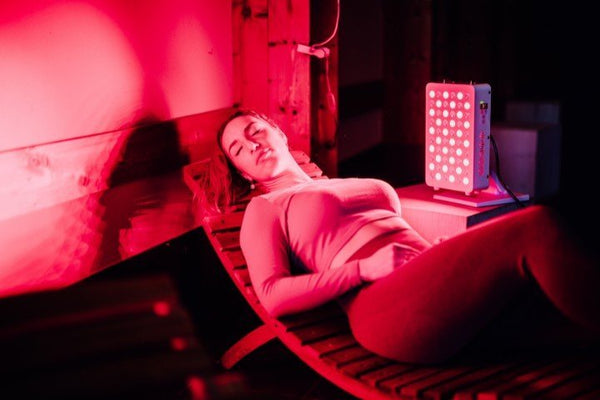
Red Light Therapy for headaches and migraines
Red Light Therapy may help reduce headache and migraine symptoms by reducing inflammation, improving blood flow in the neck and head, and stabilizing serotonin. Choose wavelengths between 650 and 1060 nanometers—typically 660, 810, or 830 nm in practice—and use it 3 to 5 times per week for 10 to 20 minutes per session at a distance of 30 to 50 centimeters. The research is still limited in scope but shows a positive trend. Below, you will learn about the types of headaches, what the studies found, and how to choose a suitable panel.
Headaches or migraines can completely ruin your day. Whether you suffer from a nagging headache, a splitting headache, or regular migraine attacks, finding relief can often be difficult. Fortunately, there is growing interest in a natural treatment option: red light therapy. In this blog, you will learn what it is, how it works, and whether it might be right for you.
Please note! The text below is not intended as medical advice. This text is based on our own knowledge, customer experiences, and various online sources.
Table of contents

60-day home trialFree shipping7 years of experience in light therapy
Please note: this information is based on scientific sources, customer experiences and our own knowledge of light therapy. It is not medical advice. If you take medication, have a medical condition or are unsure, talk to your doctor or a specialist first.
Causes and types of headache
Headaches, or cephalalgia in medical terms, come in many forms. One type may be mild and pass quickly, while another can last for days and completely exhaust you. Here are the most common types:
Migraine
A migraine attack is often severe and affects one side of the head. The pain is throbbing and can last for hours or days. It is usually accompanied by nausea, sensitivity to light or sound, and sometimes visual disturbances (auras).
Tension headache
This is the most common type. You feel a pressing, constricting pain, as if a tight band were wrapped around your head. It is often caused by stress, poor posture, or fatigue. This headache can occur occasionally but can also become chronic.
Cluster headache
A rarer but very intense form of headache. The pain is usually located around one eye and can occur several times a day. The eye may water, and the nostril on that side may become blocked or start running.
Medication-overuse headache
This type develops from prolonged or excessive use of painkillers. The headache often disappears only when you stop taking the medication, which can be temporarily difficult due to withdrawal symptoms.
Facial pain
Facial pain is a sharp, stabbing pain in the face, usually on one side. The pain often occurs in short attacks and can be triggered by touch, cold, or even talking. This type of pain occurs, for example, with trigeminal neuralgia and is often confused with headaches because of the location of the symptoms.

How can red light therapy help with head pain?
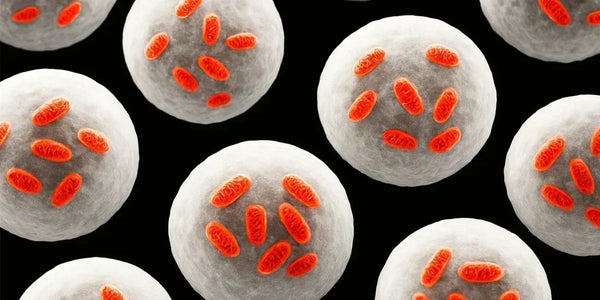
Red Light Therapy uses special LED light in the red or near-infrared spectrum. This light penetrates deep into the tissue and stimulates cells there to produce more energy (ATP). This accelerates the body's recovery processes.
For headaches and migraines, red light therapy can help in several ways:
- Reduced inflammation: Inflammatory substances that cause pain are inhibited.
- Improved circulation: Muscles and blood vessels in the neck and head receive more oxygen.
- Pain relief: Nerve activity is regulated, reducing pain signals.
- Serotonin stabilization: This substance plays a role in both mood and migraines.
Discover red light therapy lamps

What does the science say?
Quite a lot of research has already been conducted on red light for headaches and migraines. Here are some interesting findings:
- Research on sinus headaches (2011): Patients with facial pain experienced clear improvement after red light therapy. The relief even lasted up to two months.
- Study on chronic headaches (2016): In women with tension headaches, pain decreased by 64% after just one treatment. Serotonin levels also increased noticeably.
- Effect on inflammation (2017): Research shows that red and Infrared light can reduce pro-inflammatory substances in the body. Less inflammation often also means fewer pain complaints, including headaches
- Comparison with Botox (2018): Both Botox and red light lamps reduced the severity and frequency of migraines. Red light offered additional benefits for sleep problems.
- Chronic migraine (2019): Several patients with long-term migraines had no attacks for weeks to months after treatment.
- Light and migraine (2022): Although light is often seen as a trigger, recent studies indicate that it is not the light itself, but hypersensitivity of the nervous system, particularly the trigeminovascular system. Some wavelengths may actually relieve pain. Clinical tests with narrowband light devices show promising results for people with migraines.
These studies are small in scope, but they do show a positive trend. More large-scale research is needed, but the results are promising.

Choosing the right light panel
Not every red light device is suitable for headaches or migraines. Effectiveness depends on a few important factors:
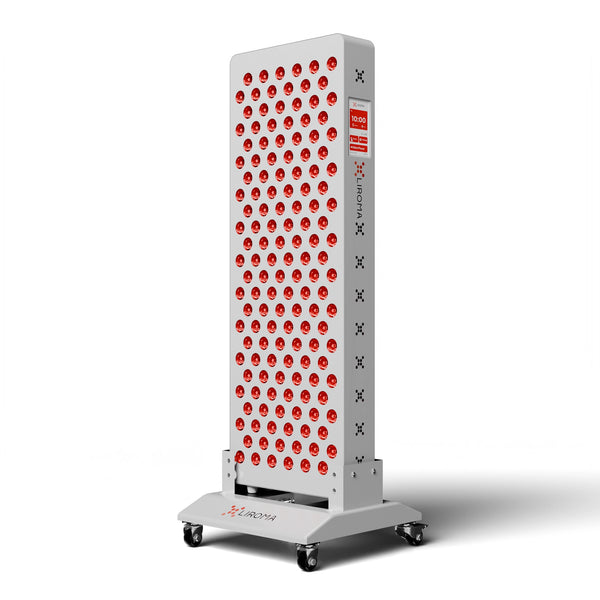
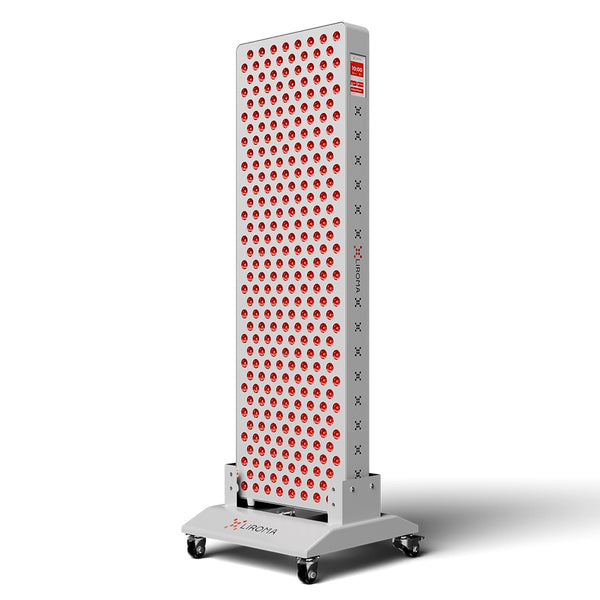
- Wavelength: Choose a panel with light between 650 and 1060 nanometers. These wavelengths penetrate deeply enough to reach nerves, muscles, and blood vessels. In particular, 660, 810, and 830 nm are commonly used for migraine symptoms.
- Power density (irradiance): This is the light intensity per cm². Too weak is ineffective, while too strong can cause irritation. Choose a device with balanced power: safe and effective.
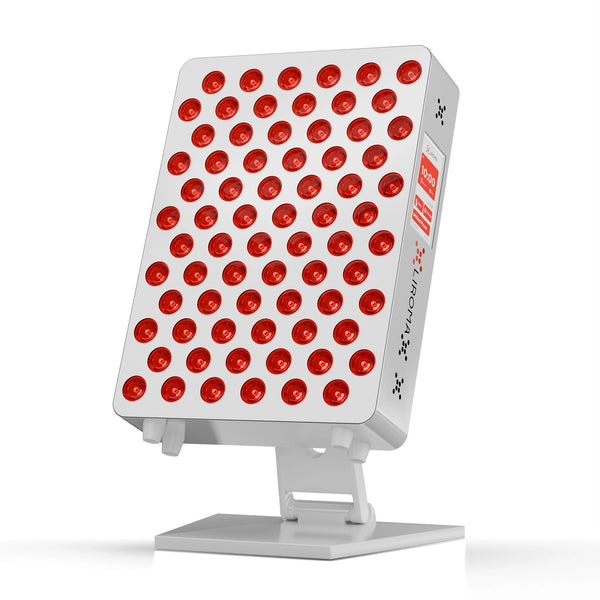
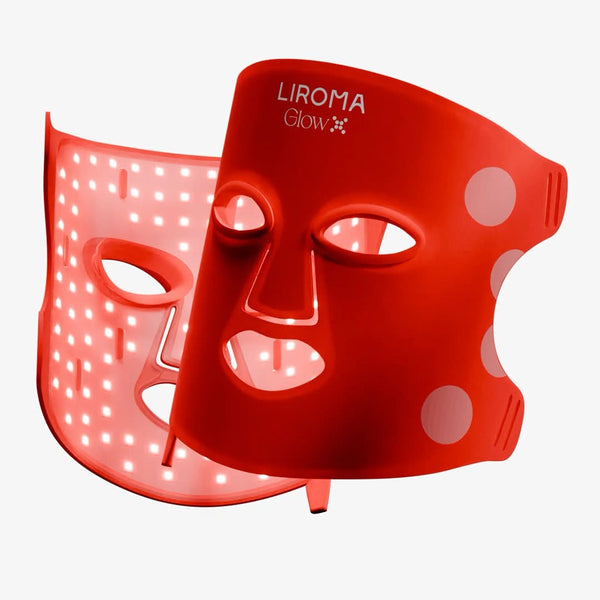
- Panel size: Are you only treating your forehead or temples? Then a small panel is sufficient. Do you often experience symptoms throughout your head or neck? Then a larger surface is more convenient.
Red light for headaches or migraines: Instructions for use
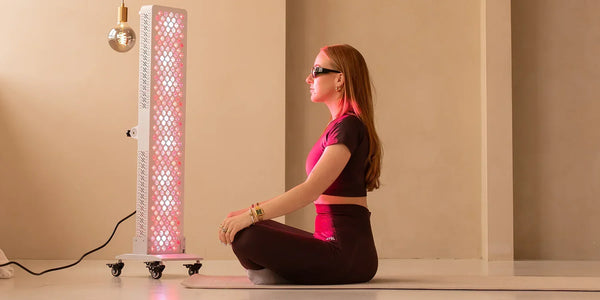
At Liroma, you will find red light panels suitable for home use. A treatment is simple and painless:
- Frequency: At least 3 to 5 times per week
- Duration: An average of 10 to 20 minutes per session
- Distance: Place the device approximately 30 to 50 centimeters away
Please note: The light must shine on bare skin, without makeup or sunscreen. Always keep some distance from the panel and close your eyes or wear special glasses if the light shines directly into your eyes.

Frequently asked questions
Is red light therapy safe?
Yes, provided it is used correctly, it is a safe and non-invasive method. It feels warm, but does not get hot and does not damage the skin.
How quickly will I notice results?
Some people notice a difference after just a few sessions. For others, it takes a few weeks. It depends on your symptoms, sensitivity, and how often you use the therapy.
Can I use it together with medication?
In most cases, yes. But always consult your doctor, especially if you are already taking medication for migraines.
Is it suitable for everyone?
Red light is generally safe, but pregnant women and people with epilepsy should exercise caution. If in doubt, consult a medical professional.
Does it also help with other complaints?
Yes, red light therapy is also used for muscle pain, inflammation, skin problems, and fatigue. It stimulates the body's natural ability to heal itself.
Want to try it yourself? View Liroma's red light panels. You have 60 days to test at home whether it's right for you.
View the panels