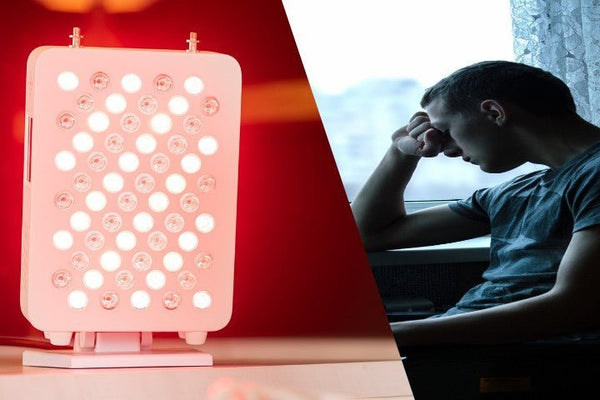
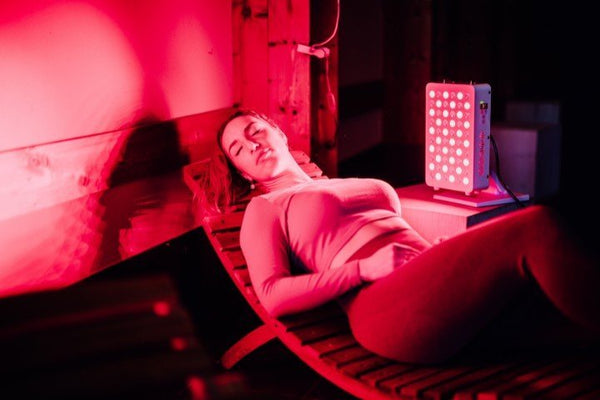
infrared or Red Light Therapy for acne and pimples
Red light and Infrared light penetrate deep into the skin and can help reduce inflammation caused by acne. Red light also stimulates collagen production, and blue light is often added because it targets the bacteria that cause acne. For results, it is recommended to use the therapy several times a week, with sessions lasting a few minutes. Below, you can read how acne develops, how light therapy works, and whether there are any side effects.
Are you dealing with acne and annoying pimples? You are not alone! Many people, young and old, suffer from this. It can affect your self-confidence and make you feel insecure about your appearance.
In this blog, you will discover how Infrared light and Red light therapy effectively tackles acne, what the benefits are, and get useful tips for reducing pimples.

60-day home trialFree shipping7 years of experience in light therapy
Please note: this information is based on scientific sources, customer experiences and our own knowledge of light therapy. It is not medical advice. If you take medication, have a medical condition or are unsure, talk to your doctor or a specialist first.
What is acne and how do pimples develop?
Acne is a skin condition that develops when the hair follicles in your skin become clogged with sebum and dead skin cells. This causes inflammation that appears as pimples, blackheads, or even painful bumps beneath the skin.
Hormonal changes in particular, such as during puberty or the menstrual cycle, can worsen acne. In addition, factors such as stress, diet, and genetics can contribute to the development of pimples. It is a common problem that can affect both young people and adults.
Different types of acne
- Blackheads (open comedones): Clogged pores in which the top of the sebum and dead skin cells becomes dark due to oxidation. This form of acne is mild and often easy to treat.
- Whiteheads (closed comedones): These are clogged pores that remain beneath the skin's surface and form a white bump. They are more difficult to squeeze because they are closed.
- Papules: Small, red, inflamed bumps caused by irritation in the hair follicles. They can be sensitive but contain no pus.
- Pustules: These are pimples with a red base and a white head filled with pus. They often appear on the face and back.
- Nodular acne: Large, painful lumps that develop deep under the skin. This form of acne is more severe and can leave scars if not treated properly.
- Cystic acne: The most severe form of acne, in which deep, inflamed cysts filled with pus develop. This form can cause scarring and often requires medical treatment.

Does light therapy help with acne and pimples?
Light therapy is increasingly used as an effective treatment for acne. Red light and Infrared light penetrate deep into the skin and help reduce inflammation. This is important because acne is caused by inflamed sebaceous glands and excessive sebum production. In addition, red light stimulates the production of collagen, which helps the skin recover and prevents new pimples. Infrared light also has an anti-inflammatory effect and promotes the skin's healing process.
In addition to red light, blue light is also often used in the fight against acne. Blue light effectively combats acne by killing the bacteria that cause the condition and reduces excess sebum production. This way, you work from the inside out toward healthy skin, without aggressive creams or medication.
Want to learn more about therapy for your face? Then continue reading on our page about LED Therapy for your face.

How does infrared and Red Light Therapy work?
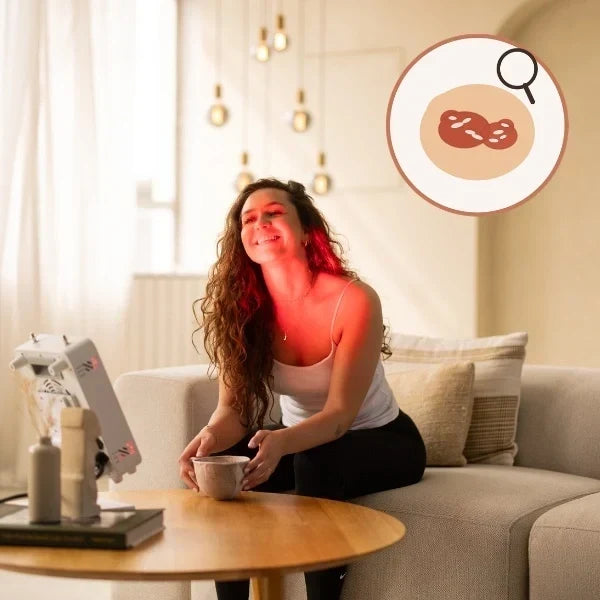
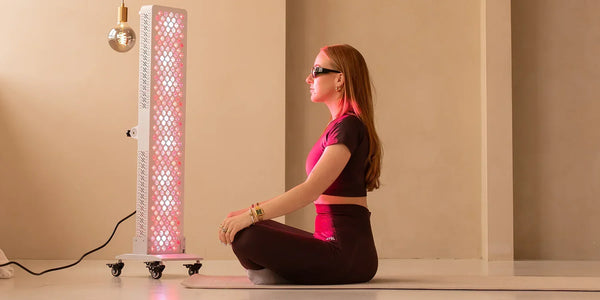
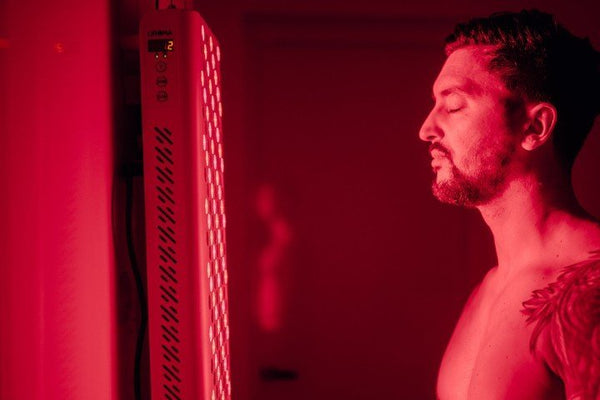
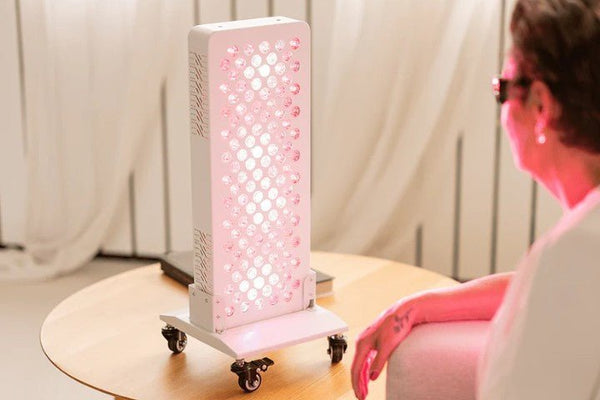
Light therapy for acne is a simple and painless treatment. You only need to use a special lamp, mask or panel with red or Infrared light. These devices are designed to emit wavelengths of light that penetrate deep into your skin.
For optimal results, it is recommended to apply the therapy several times a week. The treatment can easily be performed at home, but professional treatments are also available at skin clinics. The devices used for this are often portable and require only a few minutes per session. Regular use reduces acne and prevents new pimple breakouts.
Useful tip: Our product descriptions contain clear instructions for use, so you can be sure you are doing everything correctly.
What are the benefits?
Red light therapy offers various benefits for your skin, especially if you are dealing with acne:
- Reduces inflammation: Red light helps soothe the skin and reduce inflammation, allowing existing pimples to heal faster.
- Stimulates cell renewal: It stimulates the production of new skin cells, which helps reduce scarring and prevents new pimples from forming.
- Non-invasive and painless: Unlike some other acne treatments, red light therapy is completely painless and non-invasive.
- Suitable for all skin types: This treatment can be used on any skin type without the risk of side effects such as irritation or dryness.
- Easy to use at home: With the right equipment, you can easily do red light therapy from the comfort of your own home.
Our favorite products
At Liroma, we offer several effective products for applying light therapy at home and reducing acne:
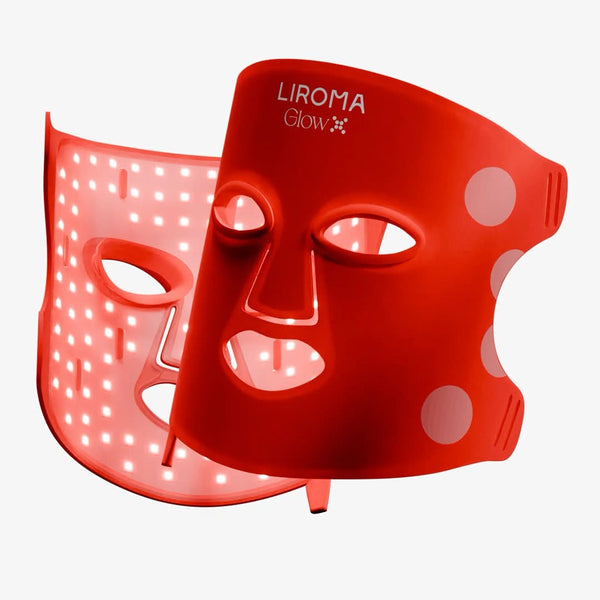
- LED Face Mask: This mask combines red and blue light to target acne and give your skin a radiant glow.
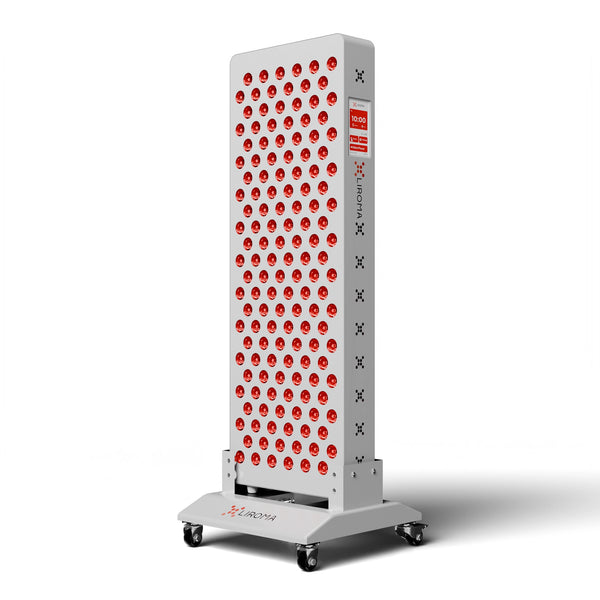
- PrimeFORCE Advanced Gen5: Perfect for targeted and intensive red light therapy treatments.
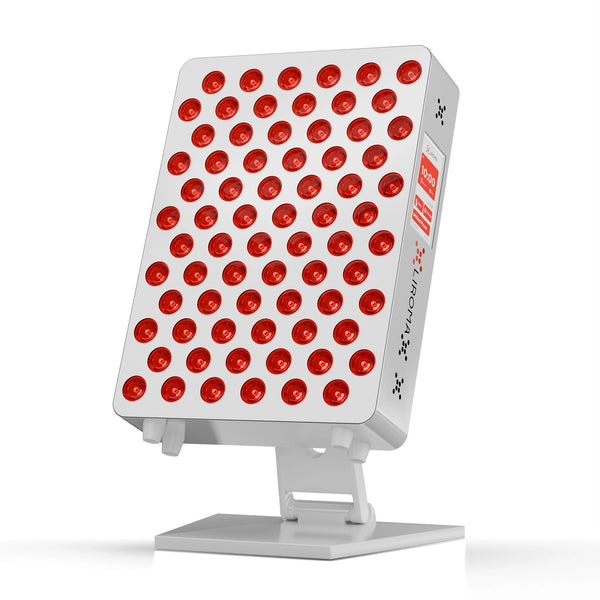
- PrimeFORCE RL60: This lamp is a tabletop model and perfect for targeted treatments for the face or other skin concerns.
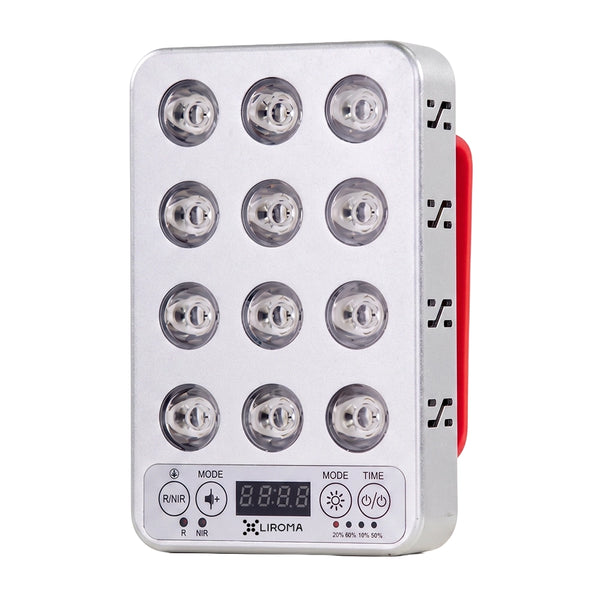
- Portable Prime: This lamp is a handheld model and ideal for use on the go. This way, you can enjoy light treatment anywhere.

Are there any drawbacks or side effects?
Red Light Therapy is generally considered safe and has few to no side effects. It is a gentle, non-invasive treatment suitable for virtually all skin types.
In rare cases, mild skin irritation or dryness may occur, especially if the therapy is used too frequently or intensively. It is important to follow the recommended usage instructions and moisturize your skin thoroughly after treatment. If in doubt, always consult a dermatologist before starting the therapy.
A 2013 review by Harvard Medical School shows that Red Light Therapy is praised for its non-intensive nature and virtually complete absence of side effects.
Other tips to reduce acne and pimples
In addition to using light therapy, there are also several other measures you can take to reduce acne and pimples:
- Keep your skin clean: Cleanse your face daily with a gentle cleanser to remove excess sebum and dirt.
- Use a non-comedogenic moisturizer: This keeps your skin hydrated without clogging your pores.
- Eat a healthy and balanced diet: Diet affects your skin. Try to include antioxidant-rich foods, such as vegetables and fruit, in your diet.
- Avoid stress: Stress can worsen acne. Try relaxation techniques such as meditation or yoga to reduce stress.
- Avoid harsh products: Do not use products with harsh chemicals that can irritate your skin and worsen acne.
Want to try it yourself? Discover Liroma's light therapy for the skin. You have 60 days to test it at home and see if it's right for you.
For the skin