Infrared for bursitis: Does it help?
Your shoulder hurts with every movement, and at night you can no longer lie on it. With bursitis, infrared rays penetrate deep into the skin and muscles and improve blood circulation. This can accelerate the recovery of damaged tissue and reduce pain and stiffness. Red light penetrates less deeply but can be a useful addition for mild, superficial inflammation. It is not a substitute for medical advice, so always consult a specialist if in doubt. Below, you can read what bursitis is, where it occurs, and how light therapy works.

60-day home trialFree shipping7 years of experience in light therapy
What is bursitis?
Bursitis, also known as bursitis, occurs when a bursa, a fluid-filled sac that protects your joints, becomes inflamed. This can lead to pain, swelling, and stiffness in the affected area, making normal movement difficult.
Symptoms
The symptoms of bursitis are often clear and can significantly disrupt your daily activities. They include:
- Pain in the affected joint, especially when moving.
- Swelling or redness around the joint.
- Stiffness in the joint, making movement difficult or painful.
- A feeling of warmth around the inflamed area.

Causes
Bursitis can be caused by several factors:
- Overuse: Repetitive movements or prolonged pressure on a joint can cause irritation.
- Injury: A fall or direct trauma to a joint can also lead to inflammation of the bursa.
- Infection: Although less common, a bacterial infection can also cause bursitis.
- Chronic conditions: Diseases such as rheumatism or gout can also contribute to the development of bursitis.
Common locations of bursitis
Bursitis can occur in different parts of the body, but some joints are more susceptible than others:
- Shoulder: Bursitis commonly occurs here due to repetitive movements, such as during sports or work above shoulder height.
- Elbow: Often caused by leaning on the elbow or repeated use during activities such as painting or writing.
- Hip: Overuse from walking, running, or standing for long periods can lead to bursitis in the hip.
- Knee: Many people develop bursitis in the knee from prolonged kneeling or intensive activities such as gardening or roofing.
- Ankle: Bursitis can develop during sports or activities that place significant pressure on the ankle, such as running or dancing.

How can I treat the inflammation?
Treating bursitis often focuses on relieving pain and reducing swelling. The most commonly used treatments are:
- Rest: Avoiding activities that worsen the pain is essential to promote recovery.
- Ice: Applying an ice pack regularly can help reduce swelling and pain.
- Medication: Anti-inflammatory medicines, such as ibuprofen, can be used to relieve the symptoms.
- Physical therapy: Guided exercises can help improve mobility and prevent further irritation.
Although these methods often provide relief, they are not always effective in the long term. This is where infrared light therapy can play an important role.

Why is light therapy the solution?
Red and near-infrared light therapy offer significant potential for reducing pain and inflammation without the risks associated with traditional medications. But what exactly does this therapy involve?
Infrared light therapy
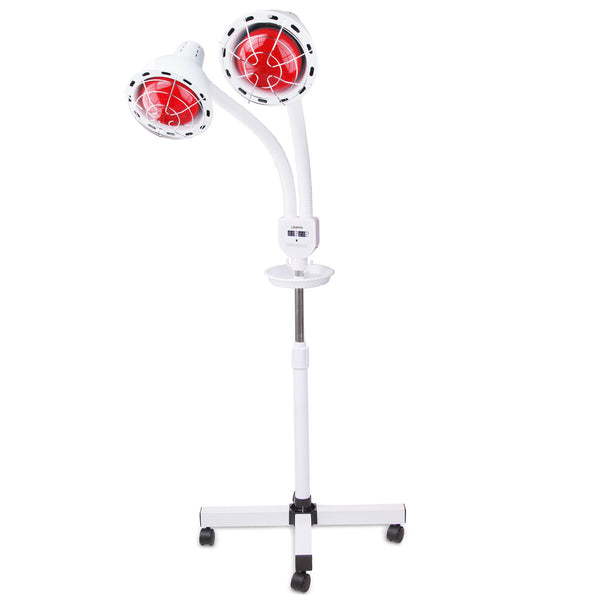
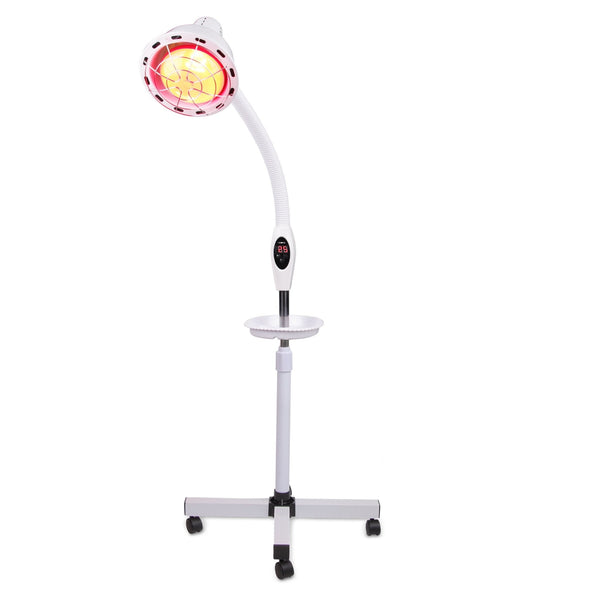
Infrared light therapy is increasingly used to treat inflammation, such as bursitis. Infrared rays penetrate deep into the skin and muscles and improve blood circulation, accelerating the recovery process of damaged tissue.
This not only reduces pain but also helps reduce stiffness and make joints more flexible.
View all infrared lamps with heat

Red Light Therapy
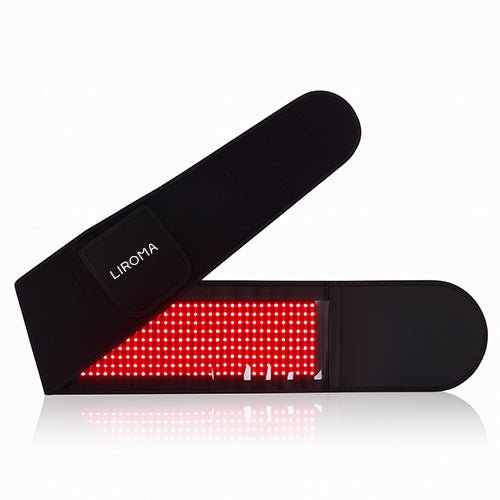
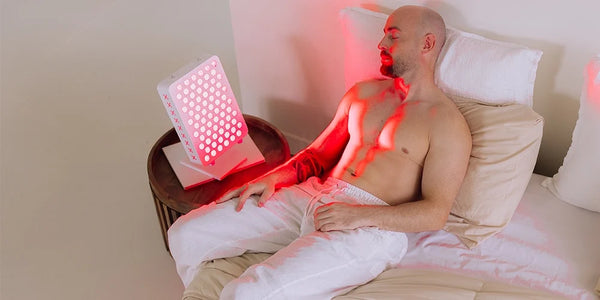
Red light works at a different wavelength than infrared but also offers anti-inflammatory effects. Although red light penetrates less deeply, the lamp can be a useful addition in treating superficial inflammation, such as mild bursitis, and helps with cell recovery.
View all red light therapy lamps
Want to learn more? Then read our blog: Red light lamps: Everything you need to know!
Scientific evidence
According to Dr. Michael Hamblin, an expert in photobiomodulation, red and near-infrared light can significantly reduce inflammation.
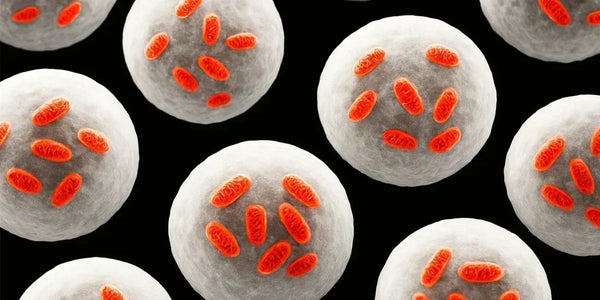
These wavelengths activate protective mechanisms in cells, such as more efficient energy production and the creation of anti-inflammatory substances and antioxidants. As a result, light therapy can be effective for joint conditions and other inflammation-related problems.
Want to try it yourself? View Liroma's lamps for muscles and joints. You have 60 days to test at home whether they suit you.
View for muscles and joints