Light therapy and muscles: everything about red light and infrared
Are your calves still so stiff the day after running that climbing stairs is slow? For muscle recovery, athletic performance and muscle pain, red light (630 to 660 nm) combined with near-infrared (830 to 850 nm) is recommended. If your main goal is to relax tense muscles through heat, infrared heat (IR-A) is more suitable. Research shows that these wavelengths increase ATP production, reduce inflammation in muscle tissue and improve circulation. Below, you can read which type of light is suitable for each complaint, along with the guidelines: 3 to 5 times per week, 10 to 20 minutes per area at 30 to 50 cm, and continue for at least 2 to 4 weeks.
Muscle pain, stiff joints, slow recovery or reduced athletic performance… sound familiar? Then you have probably already heard of light therapy, such as red light therapy or infrared heat lamps.
This modern technology is embraced not only by professional athletes, but is also increasingly used by people with muscle and joint complaints. Discover here what light therapy is, how it works and how it can help you with relaxation, recovery and less pain.

60-day home trialFree shipping7 years of experience in light therapy
Please note: this information is based on scientific sources, customer experiences and our own knowledge of light therapy. It is not medical advice. If you take medication, have a medical condition or are unsure, talk to your doctor or a specialist first.
What exactly is light therapy?
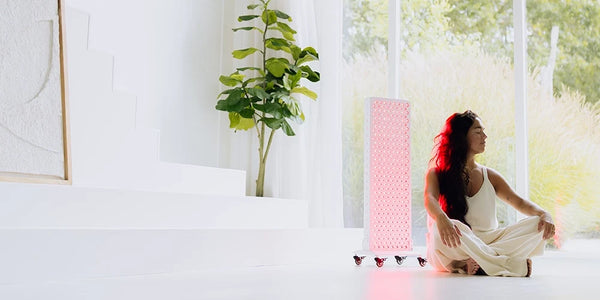
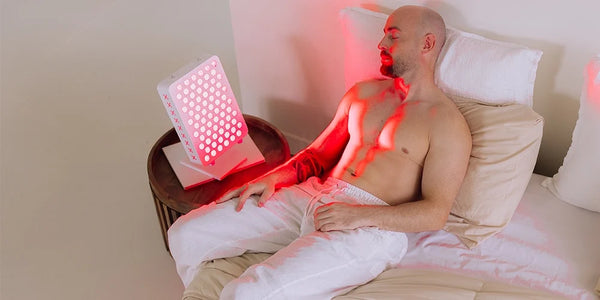
Light therapy uses specific wavelengths of light, visible red or invisible near-infrared, which penetrate deep into your skin and muscles. There, they stimulate various biological processes, such as cell repair, blood circulation and reducing inflammation.
The most commonly used forms are:
- Red light (630–660 nm): Stimulates cell functions and increases energy production (ATP).
- Near-infrared (NIR, 830–850 nm): Penetrates deeper than red light and works on deeper muscle and connective tissue.
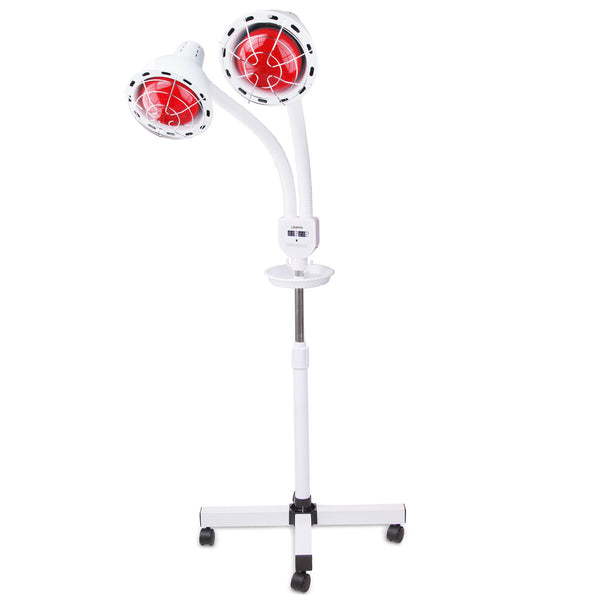
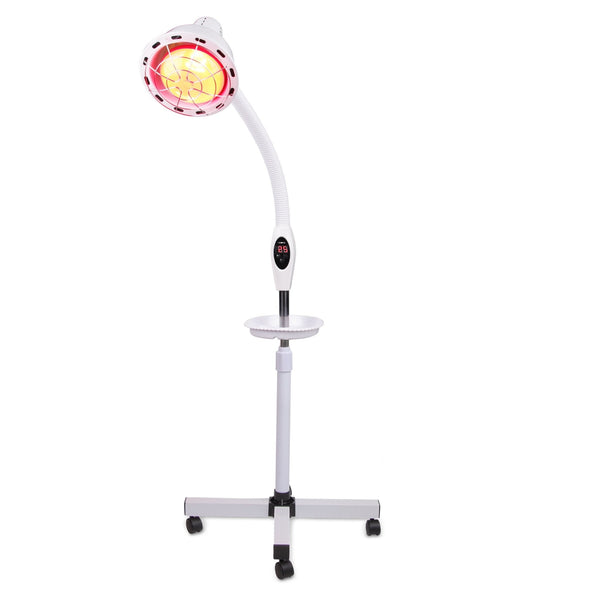
- Infrared heat (IR-A): Often used in heat lamps and primarily focuses on relaxation through heat.
*NM stands for nanometre (1 nanometre = one billionth of a metre (0.000000001 metre)
Which type of light is most suitable depends on your complaint or goal, which we discuss in detail below.
Scientific research: how does it work?
Multiple studies show that light therapy has a measurable effect on muscle tissue. Applying specific wavelengths of red light and near-infrared light activates biological processes in muscle cells. This leads to, among other things:
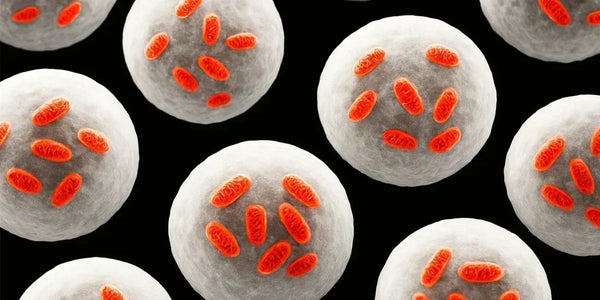
- An increased production of ATP (the energy molecule in your cells);
- Reduced inflammation in muscle tissue after exertion or overexertion;
- Stimulation of cell renewal and repair of damaged muscle tissue;
- Improved blood circulation, allowing muscles to recover faster;
- A reduction in pain signals because nerve conduction is more efficient.
So it is not a placebo: this treatment method has a solid scientific basis.

Light therapy and sports performance
Want to get more out of your training? Light therapy helps your muscles recover faster and can even improve your performance.
Why does this work so well for sports?
- Increases oxygen uptake in muscles
- Reduces lactic acid buildup
- Helps prevent muscle fatigue
- Improves muscle strength and endurance
Recommended type of light: red light + near-infrared (NIR)
Many athletes use it directly before or after training. Some professional sports teams even have red-light beds in their recovery rooms.
Muscle relaxation and relief
After an intense day or workout, your muscles feel tense, tired, or heavy. Light therapy helps your muscles relax faster and become more flexible.
How does it work?
- The warmth provides immediate relaxation for tense muscles
- Deep radiation stimulates circulation and the removal of waste products
- Muscle cramps and stiffness are reduced
Recommended type of light: infrared heat (IR-A)
IR-A radiation in particular (short-wave) is effective for deeper muscles and joints. You experience this type of therapy as a pleasant, relaxing warmth.

Faster recovery after training or overexertion
Light therapy supports the natural recovery process of your muscles after exertion.
As a result:
- Microtraumas in the muscles are repaired faster
- Lactic acid is eliminated faster
- Cells receive more energy to recover
Recommended type of light: red light + NIR
Many users notice less muscle pain and faster recovery, especially with regular use after exercising.
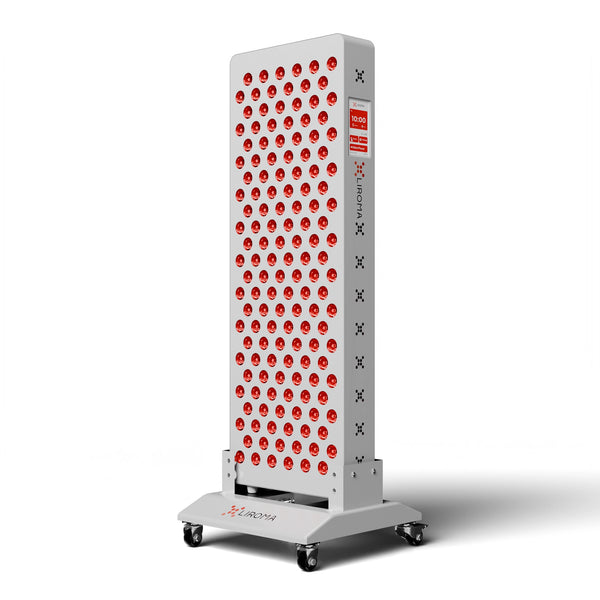
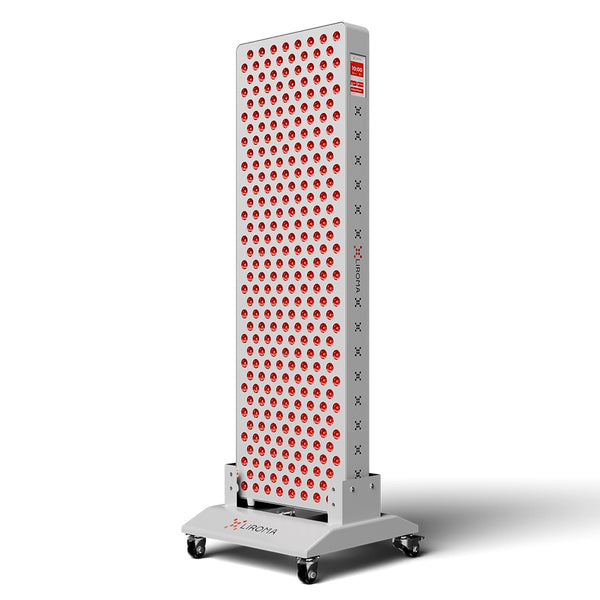
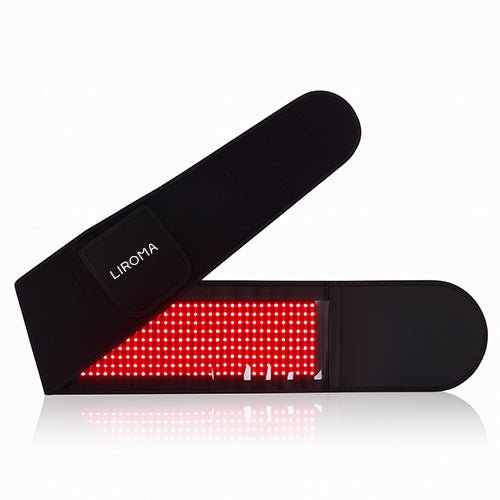
View lamps for muscles and joints
Pain relief for muscle complaints
Do you often suffer from muscle pain, stiff muscles, or chronic conditions such as fibromyalgia? Light therapy naturally helps relieve pain.
How so?
- Reduces inflammation in muscle tissue
- Stimulates the production of endorphins (natural painkillers)
-
Improves nerve conduction, thereby reducing pain signals
Recommended type of light: red light + NIR
Both acute muscle pain and long-term complaints can be effectively addressed with this form of light.

Red light or Infrared light for back pain
Back pain is one of the most common muscle complaints and can result from overuse, poor posture, or stress. Light therapy provides effective, natural support in this regard. Both red light and infrared heat can help relieve back problems.
- Stimulates blood flow in deep muscle layers
- Reduces muscle tension and stiffness
- Relieves pain and supports the recovery of muscle and connective tissue
- Can relieve chronic back problems, such as those caused by osteoarthritis or a herniated disc
Recommended type of light: near-infrared (NIR) + infrared heat (IR-A)
For deep back muscles or chronic back problems, a combination of deep radiation and heat is most effective. For acute back pain, it is best to start with shorter sessions and gradually increase the intensity.
Light therapy for joint pain and arthritis
It is also widely used for joint problems such as osteoarthritis and rheumatism. The goal? Less pain, more mobility.
- Reduces inflammatory reactions in the joints
- Increases lubrication and flexibility
- Relieves stiffness and swelling
Recommended type of light: NIR + optional infrared heat (IR-A)
For superficial joint problems (such as fingers or knees), NIR is often sufficient. For deeper joints, heat can provide additional support.

Get the most out of your light therapy
Want to get started yourself? Follow these tips:
- Use the lamp 3 to 5 times per week
- Direct the light at the skin (distance: ±30-50 cm with a panel, 50-100 cm with an infrared lamp with heat)
- Follow: 10-20 minutes per area
- Do not treat too many areas at once
- Be consistent and give it at least 2 to 4 weeks
Always consult a doctor in case of severe symptoms or doubt.
Overview: which type of light therapy for which complaint?
| Complaint/application | Recommended light | Best wavelength | Additional information |
|---|---|---|---|
| Muscle relaxation | Infrared heat | IR-A (760-1400 nm) | Works through heat; relaxes muscles directly |
| Muscle recovery after training | Red light + NIR | 630 - 850 nm | Stimulates cell functions and ATP production |
| Improve sports performance | Red light + NIR | 630 - 850 nm | Use before and after training |
| Relieve muscle pain | Red light + NIR | 660 + 850 nm | Reduces pain and inflammation |
| Joint pain | NIR + IR-A | 830 nm + heat | Combine deep radiation and relaxation |
| Fibromyalgia / chronic pain | Red light + NIR | 660 + 850 nm | Regular use recommended |

Frequently asked questions
Are there any side effects?
It is safe and painless in most cases. With proper use, side effects are rare. At most, you may experience slight redness or temporary warmth on the skin. Are you unsure or do you have a medical condition? Always consult a doctor.
More information about the safety and possible side effects of light therapy
Is light therapy a miracle cure?
No and yes. Light therapy is not a magical solution that cures everything in one go. But it is a particularly powerful aid for muscle and joint complaints, provided you use it regularly and combine it with:
- Exercise
- Sufficient rest
- Hydration
- Healthy diet
So it is not a substitute for a healthy lifestyle, but it is a valuable addition.
Can I combine it with other treatment methods?
Yes, light therapy can be safely combined with, for example, physiotherapy, massage, hot/cold treatments, or supplements. It is complementary, not a replacement.
Can I treat multiple body parts in one session?
Yes, it can. Just make sure to follow the recommended treatment time for each area. Preferably, do not treat all areas at once, so your body can process the stimuli properly.
Does light also help with nerve pain or tingling?
Light therapy can in some cases provide relief for mild nerve complaints by improving nerve conduction. Serious nerve problems require medical advice.
What if I don't notice any results after a few sessions?
Give it time. For many users, noticeable results only appear after 2 to 4 weeks of consistent use. Also check whether you are using the light at the correct distance and for the recommended duration.
Want to try it yourself? Check out Liroma's lamps for muscles and joints. You have 60 days to test at home whether they're right for you.
For muscles and joints