Infrared lamps for muscle pain: Does it help?
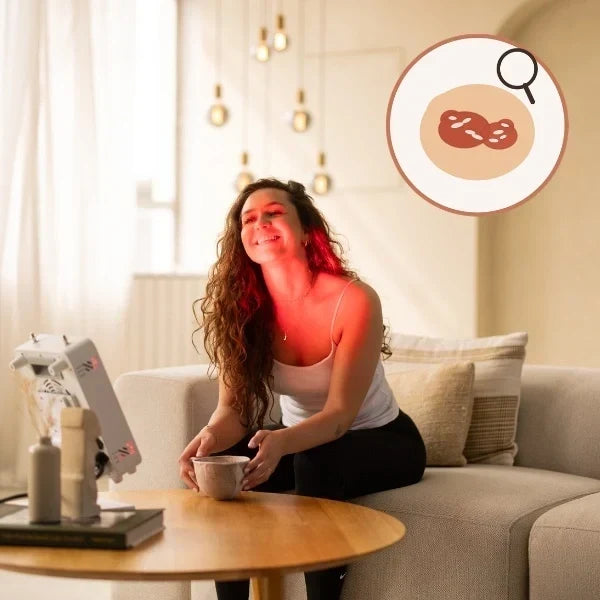
You did three sets of squats on Monday and still feel them with every step on Wednesday. Infrared can provide relief from muscle soreness: the heat penetrates deep into the skin and muscles, stimulates blood circulation, and helps relieve muscle tension. For muscle complaints, IR-A is the best choice because this radiation penetrates deepest into the skin. Keep the lamp 50 to 100 cm away and treat one body part for 10 to 15 minutes per session, not multiple times a day. Below, you will read where muscle soreness comes from, how Infrared and red light therapy work, and which lamps are suitable.

60-day home trialFree shipping7 years of experience in light therapy
Please note: this information is based on scientific sources, customer experiences and our own knowledge of light therapy. It is not medical advice. If you take medication, have a medical condition or are unsure, talk to your doctor or a specialist first.
What is muscle soreness?
Causes of muscle soreness
Muscle soreness is often caused by overuse of the muscles. This can happen after an intense workout, a long walk, or simply from adopting poor posture. The tiny tears that form in the muscle fibers during exertion cause the painful, stiff feeling. Muscle soreness can also occur due to stress, poor blood circulation, a sudden movement or a medical condition, such as fibromyalgia.
Preventing muscle soreness
Although muscle soreness cannot always be avoided, you can reduce the risk with the following tips:
- Always do a proper warm-up before you start exercising.
- Stretch regularly to keep your muscles flexible.
- Make sure you get enough rest and recovery after exercise.
- Drink enough water to prevent dehydration and muscle cramps.
- Eat a healthy, varied diet for optimal muscle recovery.
But if you do experience muscle soreness, infrared light can provide relief.

Reduce muscle soreness with Infrared light
What is an infrared lamp?
Infrared heat lamps offer an effective solution for various health complaints through targeted heat treatment. They help relieve muscle tension, stimulate circulation, and promote relaxation. As a result, they can reduce pain caused by problems such as arthritis, back complaints, and sports injuries.
The heat from infrared radiation penetrates deeply into the skin and muscles, providing pain relief in muscles, joints, and other tissue. This is because infrared radiation transfers heat directly to the body without heating the surrounding air.
How does Infrared light reduce muscle pain?
Infrared heat lamps work by emitting electromagnetic waves within the infrared spectrum. Once these waves hit a surface, they are converted into heat, resulting in targeted and efficient heat treatment.
Infrared heat lamps are generally safe to use, provided you follow the manufacturer's instructions. The heat emitted by these lamps is comparable to the pleasant warmth of the sun, but without the harmful effects of ultraviolet radiation. This allows you to safely enjoy the benefits of Infrared therapy.
Types of infrared radiation
Infrared lamps can be divided into three different types of radiation:
- IR-A radiation
- IR-B radiation
- IR-C radiation

If you are looking for an infrared lamp specifically suitable for muscle complaints, then IR-A radiation is the best choice. This radiation penetrates the deepest into the skin and can therefore effectively relieve muscle pain.
IR-A lamps are often used in the treatment of conditions such as rheumatism because they reach deeper tissues. This type of lamp is also known as a short-wave infrared lamp.

Red Light Therapy: A great alternative!
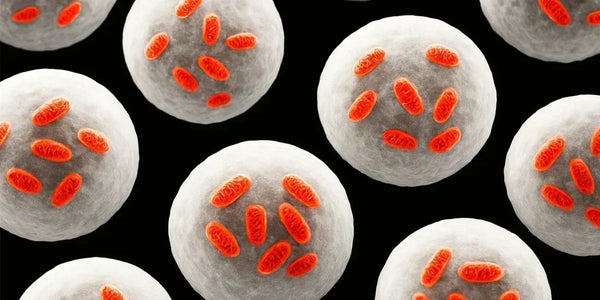
Red Light Therapy, also known as photobiomodulation (PBM) or low-level laser therapy (LLLT), is known for its ability to penetrate deep into the skin. This therapy stimulates cellular activity and promotes healing from within. Users often report a reduction in muscle pain and joint inflammation, making it popular among both athletes and people with chronic pain.
You can choose from different wavelengths:
- Red light (630 nm & 660 nm)
- NIR (830 nm & 850 nm)
Do you want to treat back pain, muscle pain, or chronic conditions such as fibromyalgia and rheumatism? Then we recommend NIR (830 nm & 850 nm). Near-infrared wavelengths penetrate deeper into the tissue and are crucial for relieving pain and accelerating the healing process.
Treating muscles and joints with infrared
Infrared light is not only effective for muscles, but also helps with joint recovery. It stimulates blood circulation, reducing pain and stiffness in the joints. This makes infrared lamps ideal for people with both muscle and joint pain. It promotes healing and relieves pain without the side effects of medication.
Instructions for use
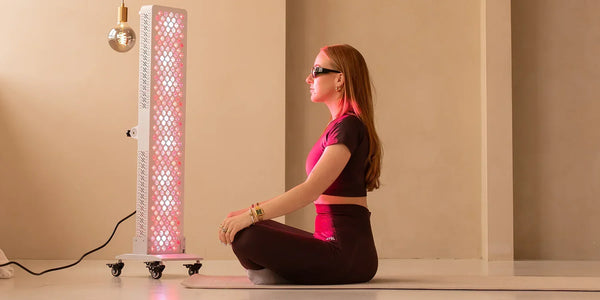
It is recommended to place the infrared heat lamp 50-100 cm from the body. Use the lamp for 10-15 minutes per session, per body part. Do not treat a body part multiple times a day.
View lamps for muscles and joints

5 lamps that relieve pain!
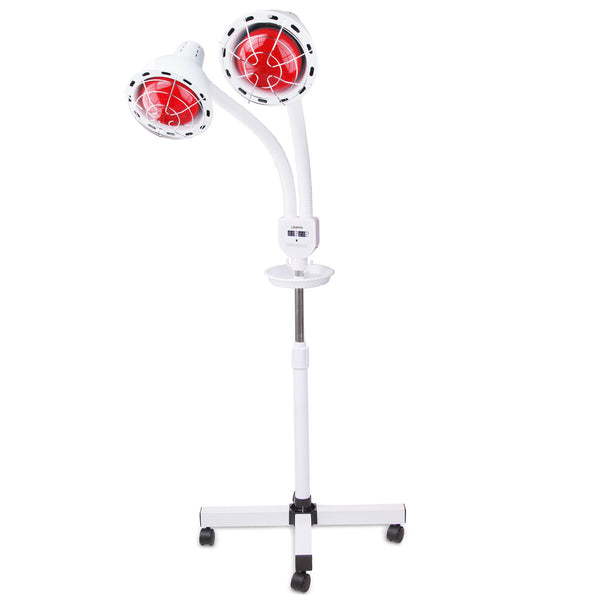
1. Infrared double-headed 507
The double-headed infrared lamp offers a practical solution for deep relaxation and targeted heat therapy. Thanks to its adjustable arms, the lamp is easy to use in both seated and lying positions, with a maximum height of 160 centimeters for added flexibility.
Whether you want to relieve muscle pain after a long day or are simply looking for a relaxing warm feeling, the lamp can easily be adjusted to suit different needs.
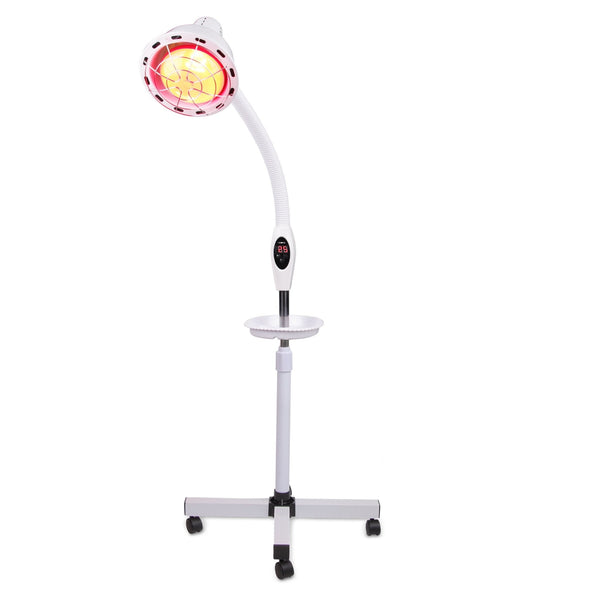
2. Infrared lamp single head 506
This infrared lamp with a single head offers the ultimate combination of therapeutic heat and ease of use. The lamp is specially designed to provide both relaxation and health benefits, making it an essential addition for anyone seeking natural relief from tension and pain.
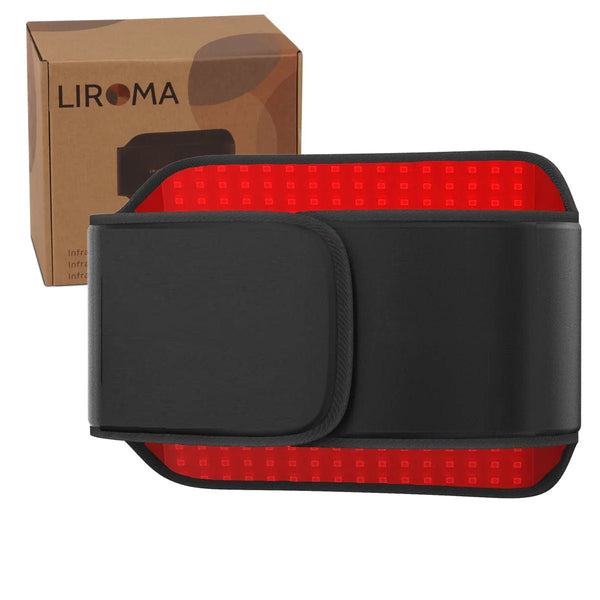
3. Portable Infrared Belt
Do you have back or shoulder pain? The portable infrared back belt provides targeted heat therapy with IR-C radiation up to 75 degrees Celsius. Specially developed to relieve pain and promote relaxation, it is ideal for home use and reducing daily tension.

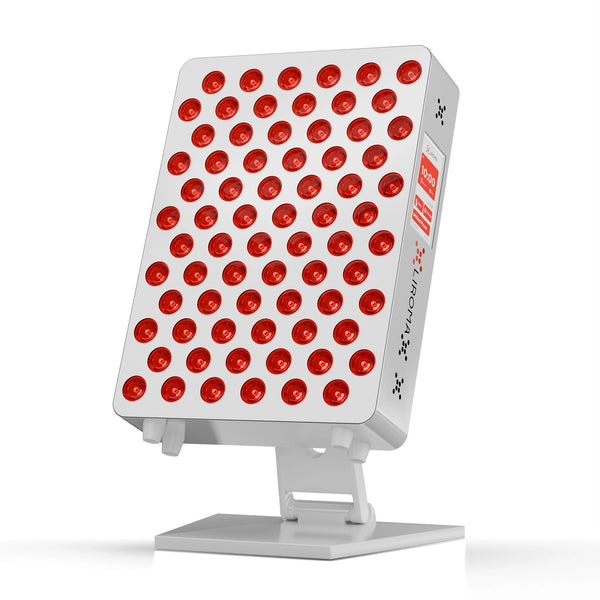
4. Red Light Therapy PrimeFORCE RL60
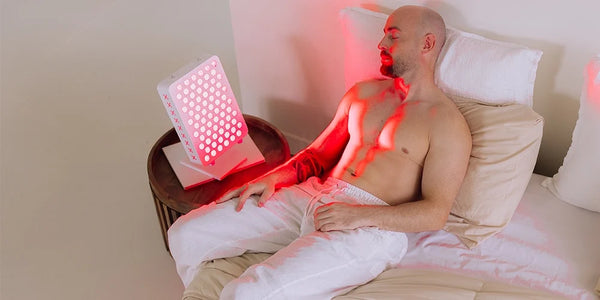
The Liroma PrimeFORCE RL60 is the perfect choice for effective red light therapy in your own home. This compact tabletop model gives you the benefits of both red light and near-infrared light (NIR) with 60 5W LEDs and 8 wavelengths, significantly improving your well-being.
Whether you're dealing with fibromyalgia, acne, or back problems, the Liroma PrimeFORCE RL60 offers powerful and versatile therapy for various health issues. Measuring 28.5 x 20.9 cm and weighing 3.5 kg, you can easily place it on a table and move it just as easily to another room.
5. Red Light Therapy PrimeFORCE Advanced Gen5
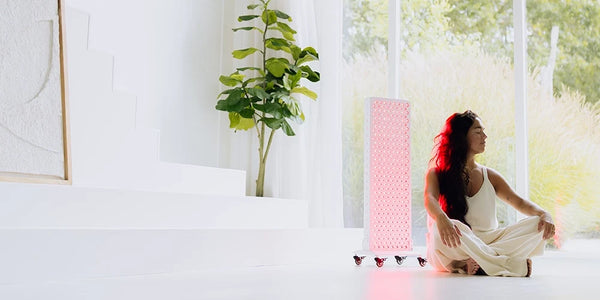
The Liroma PrimeFORCE Advanced Gen5 is the next step up for anyone who wants to treat a larger area, designed to give you the benefits of red light and near-infrared (NIR) light in the comfort of your own home.
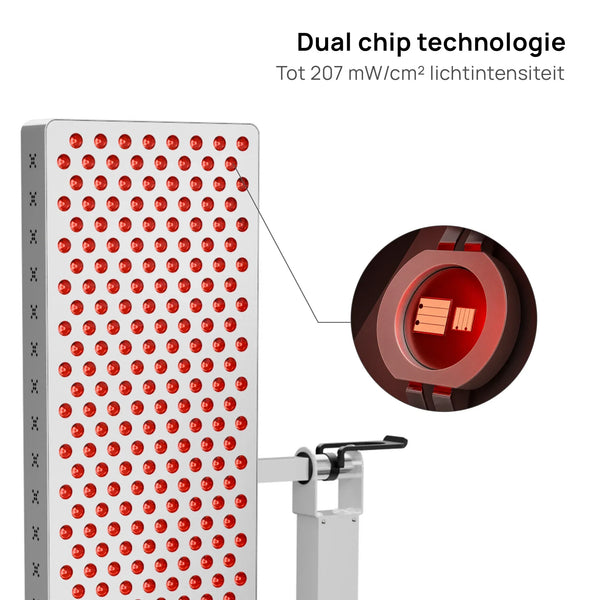
This panel has 144 5W dual-chip LEDs and 8 individually adjustable wavelengths from 630 to 1060 nm, measures 64 x 23 cm, and weighs 6 kg. It offers numerous health benefits, from improved skin to pain relief for conditions such as fibromyalgia, rheumatism, and back pain.
Want to try it yourself? Take a look at Liroma's lamps for muscles and joints. You have 60 days to test at home whether it suits you.
View for muscles and joints