Red Light Therapy science: NASA’s surprising role
Anyone who delves into red light soon comes across the story of NASA. In the 1990s, NASA investigated how light therapy could help with wound healing in space. This was because astronauts began experiencing slow wound healing and muscle loss due to the lack of natural sunlight. The technology was intended for plant growth in space, but researchers saw that red and infrared light also stimulated the growth of human cells. These wavelengths activate the mitochondria, which can lead to better cell repair, reduced inflammation, and improved circulation. Below, you can read how this discovery unfolded and what red light is used for today.
Red Light Therapy has grown significantly in popularity in recent years. But did you know that this form of light therapy has a remarkable origin? The discovery and application of light therapy have their roots with none other than NASA.

60-day home trialFree shipping7 years of experience in light therapy
Please note: this information is based on scientific sources, customer experiences and our own knowledge of light therapy. It is not medical advice. If you take medication, have a medical condition or are unsure, talk to your doctor or a specialist first.
How NASA discovered Red Light Therapy
In the 1990s, NASA investigated how light therapy could help with wound healing in space. Astronauts were found to experience delayed wound healing and muscle loss during long space missions. An important cause was the lack of natural sunlight. This normally contributes to healthy cell activity and recovery.
Researchers saw that red and infrared light stimulated cell growth and partially compensated for the deficiency. The technology was intended for plant growth in space, but also proved interesting for human cells.
Red Light Therapy and the science behind it
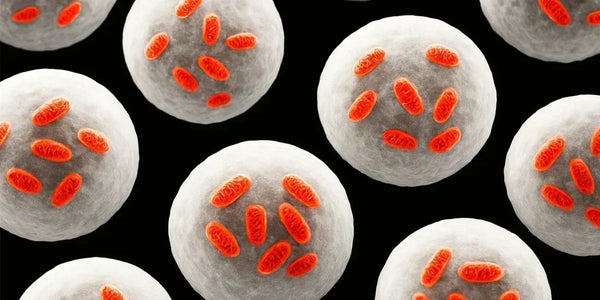
But what exactly is red light therapy and how does it work? It is a treatment in which your body is exposed to red or near-infrared light. These wavelengths penetrate deep into the skin and activate the mitochondria to produce more energy. This can lead to better cell repair, reduced inflammation, and improved circulation.
This mechanism is now well supported by Infrared light scientific research. It is even used in clinical studies for pain relief, wound healing, and skin conditions.
What are red light lamps used for today?
Red light therapy has many applications today. It is used for skin improvement, muscle recovery and joint problems. Below, you will find some common applications:
- Skin improvement, such as reducing acne, pigmentation spots, scars, fine lines, and wrinkles
- Muscle recovery after sports or exertion
- Pain relief for joint problems, such as osteoarthritis and rheumatic pain
- Improved blood circulation and promotion of tissue repair
- Better sleep and less stress

Is it effective and safe?
Many people wonder: what does red light do to you, and is it safe? Most experiences are positive. Users report less pain, calmer skin, and faster recovery after exertion. Scientifically speaking, it is a safe method, as long as you follow the proper guidelines.
It is also important to understand the difference between red light and infrared. This blog explains it clearly: infrared or red light: what is the difference?
Summary: From NASA to your skin
The science behind red light therapy has taken an impressive journey. From NASA's space capsules to the wellness industry. Thanks to extensive scientific research into (infra)red light therapy, we now have a good understanding of what red light does to you.
It is widely used for skincare, pain relief, and general well-being, and many users experience improvements from it. Whether you are looking for skin improvement or muscle recovery, red light is worth trying.
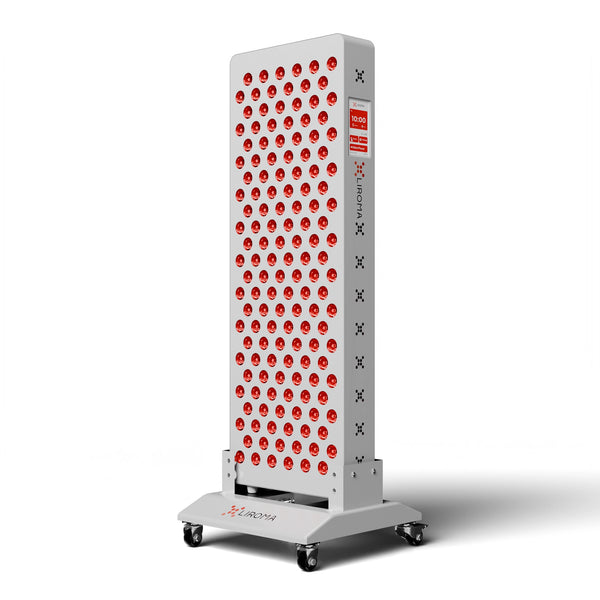
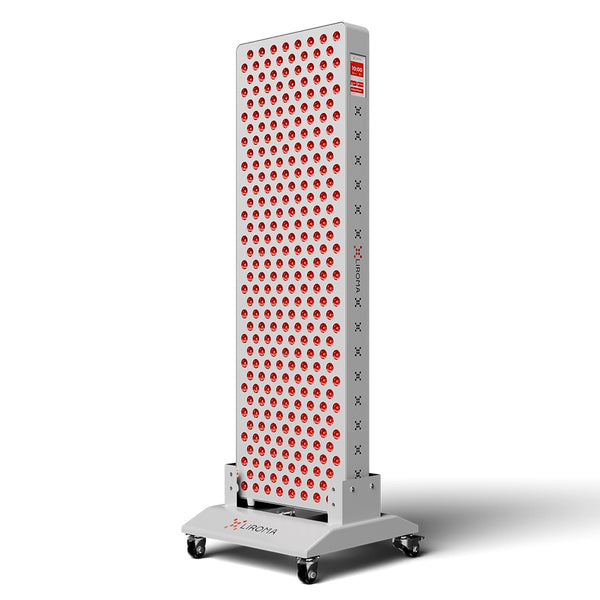
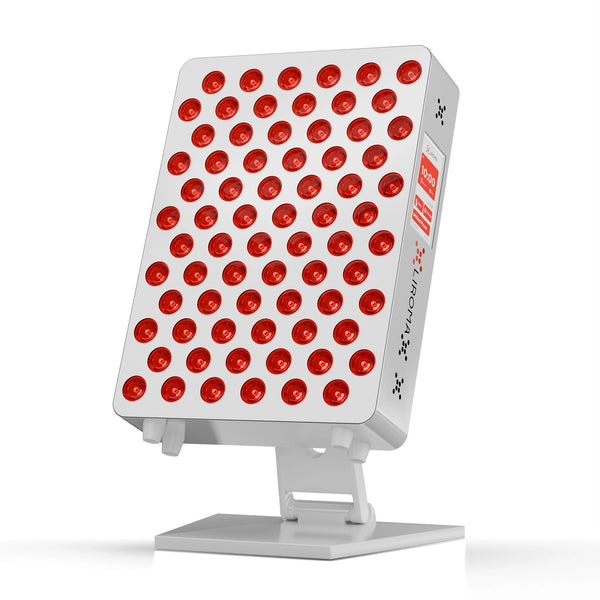
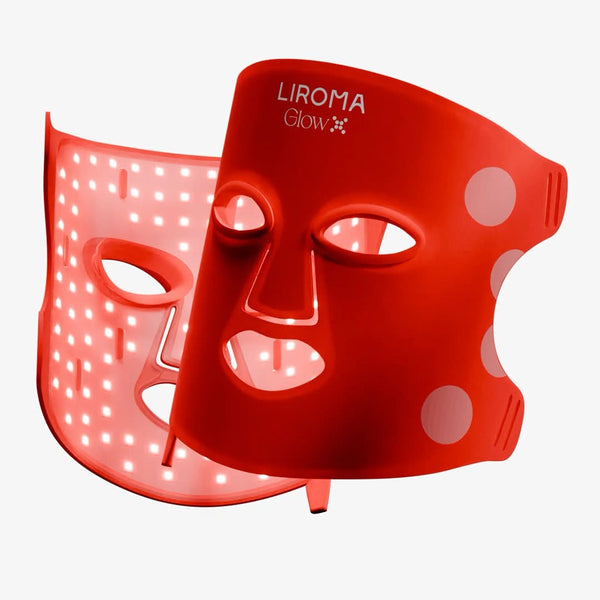
View all red light therapy lamps
Want to try it yourself? Explore Liroma's red light panels. You have 60 days to test at home whether they are right for you.
View the panels