What are the disadvantages of red light therapy?
When used correctly, Red Light Therapy has no serious side effects. The drawbacks mainly relate to how it is used: using it for too little time or too inconsistently, sitting too long or too close, using a cheap device without measurable specifications, and results that only become noticeable after two to four weeks. Consult a doctor first if you are taking photosensitizing medication, have active cancer in the area to be treated, have light-sensitive epilepsy, or are pregnant. Below, you’ll find the five drawbacks listed along with what you can do about them.
Red Light Therapy is often presented as a risk-free miracle cure. That is not entirely true. There are drawbacks, but they are different from what most people think.
The real drawbacks almost never have to do with the light itself. They have to do with how it is used.
60-day home trialFree shipping7 years of experience in light therapy
Please note: this information is based on scientific sources, customer experiences and our own knowledge of light therapy. It is not medical advice. If you take medication, have a medical condition or are unsure, talk to your doctor or a specialist first.
Drawback 1: it does not work if you use it incorrectly
Red Light Therapy requires consistency. One session will not accomplish anything. Using it for two weeks and then stopping will not work either. The therapeutic effects, such as stimulating collagen production, reducing inflammation, supporting muscle recovery, and helping with joint complaints, build up over time. People who say it does not work have almost always used it for too short a period or too inconsistently.
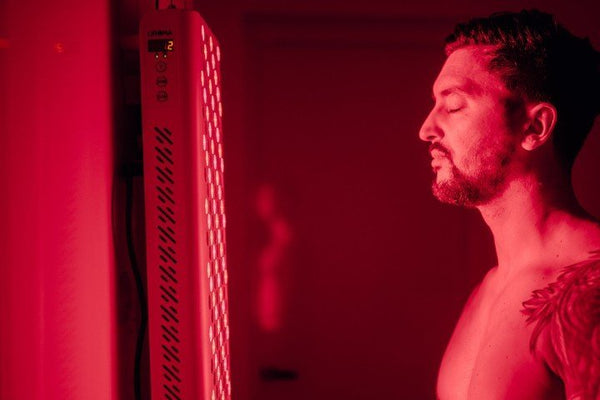
The recommended frequency is three to five sessions per week lasting ten to twenty minutes. Not twenty minutes once a month.

Drawback 2: overdosing causes a temporary setback
More is not better. Sitting too long or too close to a powerful panel can cause a temporary setback, also known as the biphasic dose-response effect. Your cells cannot process an overload of light energy efficiently, causing the recovery process to slow down instead of speeding up.
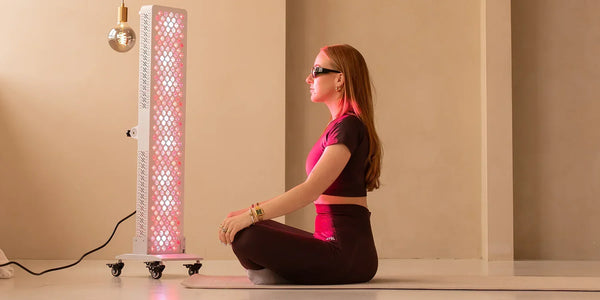
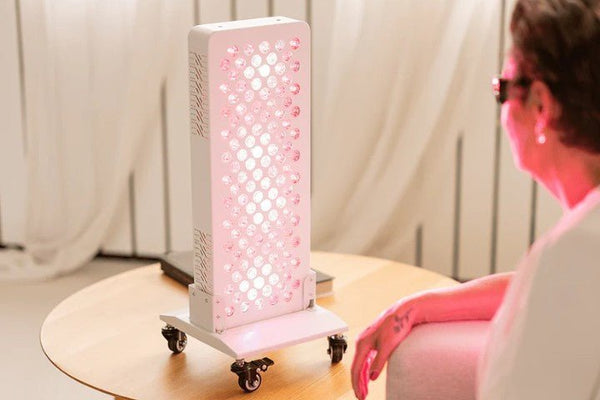
The solution is simple: maintain the recommended distance of thirty to fifty centimeters and gradually build up your sessions.

Drawback 3: cheap devices do not deliver a therapeutic effect
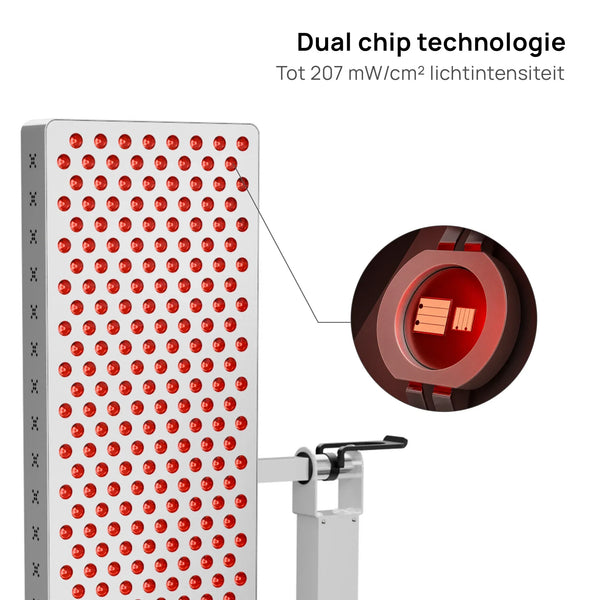
This is by far the biggest drawback of Red Light Therapy as a category. The market is full of panels that look like professional devices but do not deliver the irradiance or the correct wavelengths needed to do anything at all. You are buying a lamp, not therapy.
A high-quality panel uses at least 660 nm and 850 nm, provides measurable irradiance values, and has independent laboratory tests available. Without this, any claim about effectiveness is meaningless.
Drawback 4: not suitable with certain medications and conditions
Red Light Therapy is safe for the vast majority of people. However, there are exceptions. Do not use it without consulting a doctor if you:
- take photosensitizing medications such as certain antibiotics or chemotherapy drugs
- have active cancer in the area to be treated
- have epilepsy that is sensitive to light stimuli
- are pregnant and want to use it on your abdomen or lower back
Drawback 5: results are not immediately visible
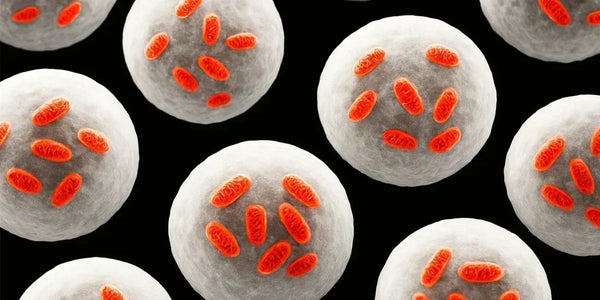
Red Light Therapy works at the cellular level. This means you may notice little during the first two to four weeks. Only afterward do the effects begin to become visible and noticeable. For people accustomed to immediate results, this is a mental drawback, not a physiological one.

Conclusion: the drawbacks are manageable
Red light lamps have no serious side effects when used correctly. The drawbacks people experience almost always come down to three things: a poor-quality device, incorrect use, or unrealistic expectations about how quickly results will appear.
With a high-quality panel, a consistent routine, and realistic expectations, the risks are minimal and the benefits substantial.
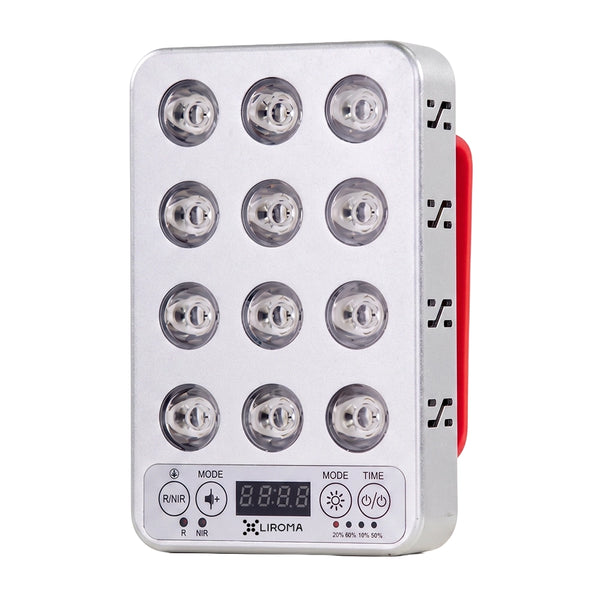
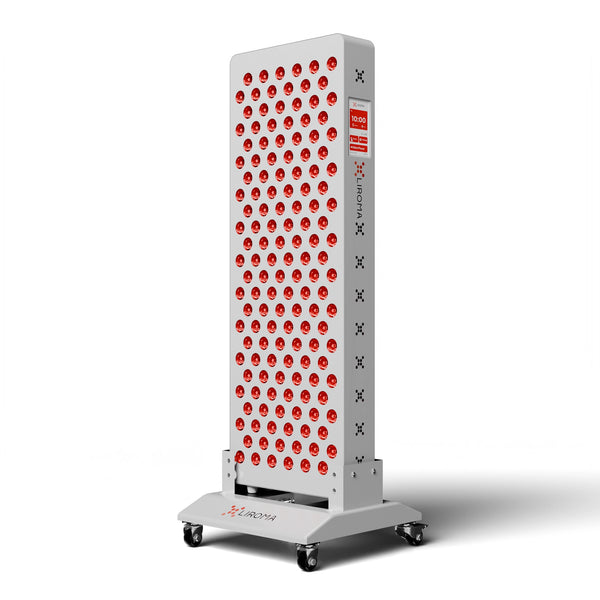
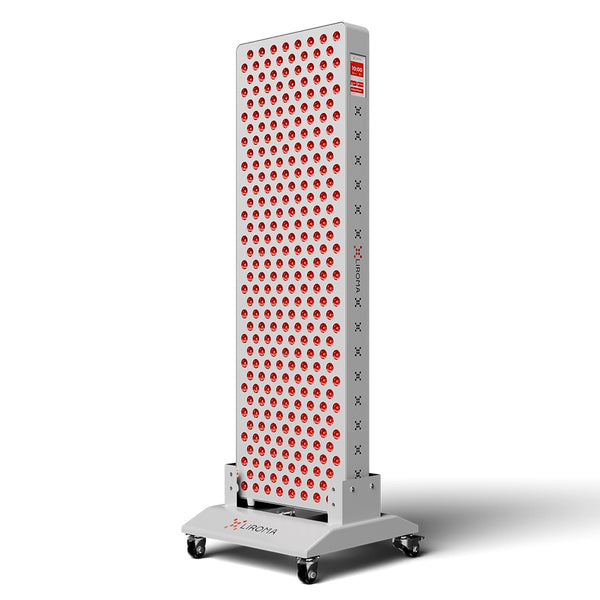
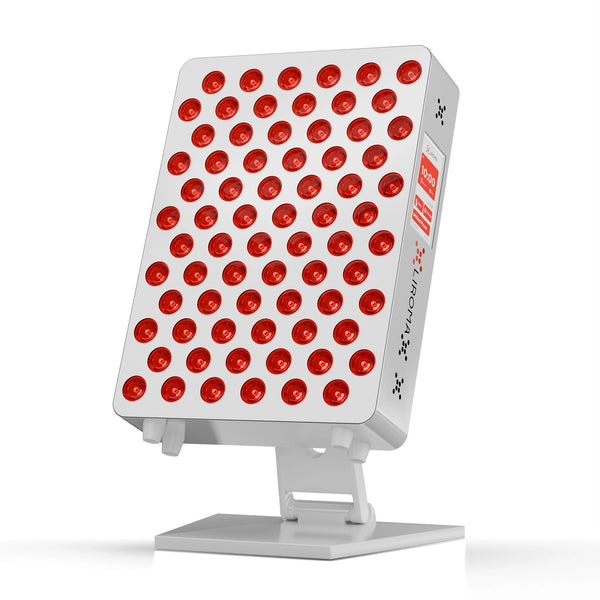
Want to try it yourself? View Liroma’s red light panels. You have 60 days to test at home whether it suits you.
View the panels