Benefits of red light therapy lamps
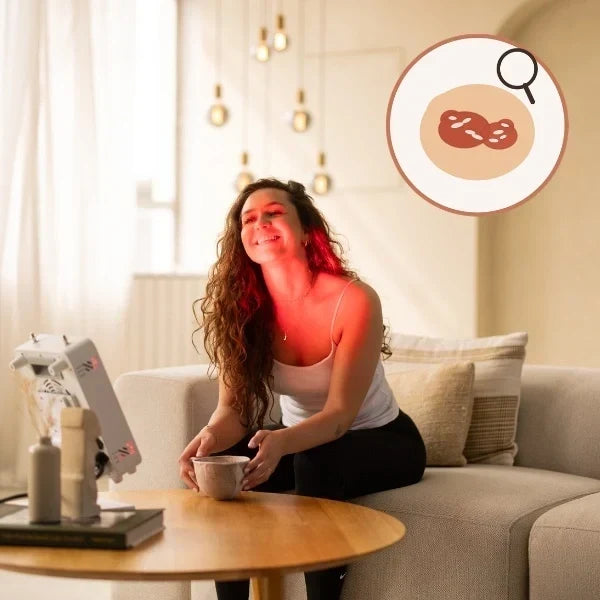
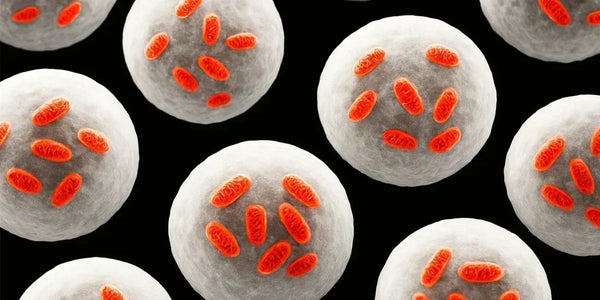
You see those red panels everywhere, but exactly what they do remains unclear. Red Light Therapy lamps stimulate the mitochondria, the powerhouses of your cells. Visible red light mainly affects the skin, while near-infrared light penetrates deeper and reaches tissues, muscles, and joints. The benefits mentioned in this article range from less muscle and joint pain, better blood circulation, and faster recovery to fewer skin problems, more collagen, and better sleep quality. Below, you can read how it works, how it differs from infrared light, and how to use the panels: 3 to 7 times per week, for about 10 minutes at a distance of 30 to 50 cm.
Every day, we ask a lot of ourselves, both mentally and physically. Suffering from muscle or joint pain, fatigue, stress, or skin problems? Then (infra)red light therapy may be right for you! This light therapy helps with skin problems, relieves pain, and promotes relaxation. Read on to discover the benefits, how it works, and the difference between red and infrared light.

60-day home trialFree shipping7 years of experience in light therapy
Please note: this information is based on scientific sources, customer experiences and our own knowledge of light therapy. It is not medical advice. If you take medication, have a medical condition or are unsure, talk to your doctor or a specialist first.
What is red light therapy?
Red Light Therapy lamps stimulate the mitochondria, the powerhouses of our cells. By activating them, overall health and cell function improve. The right wavelengths ensure optimal light absorption and maximum therapeutic effect.
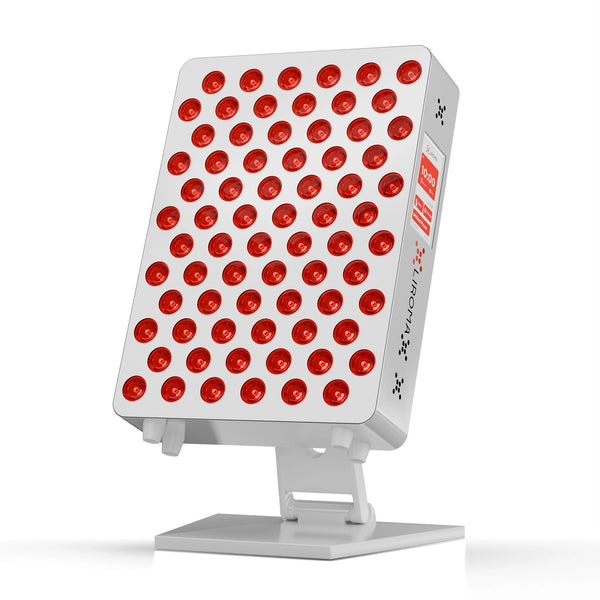
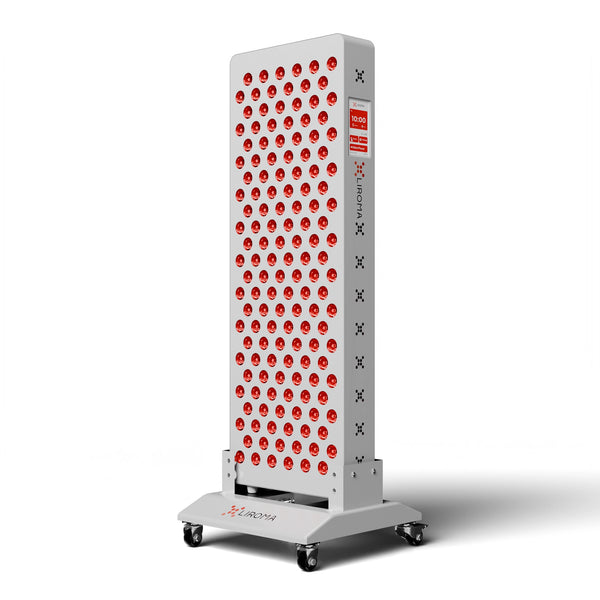
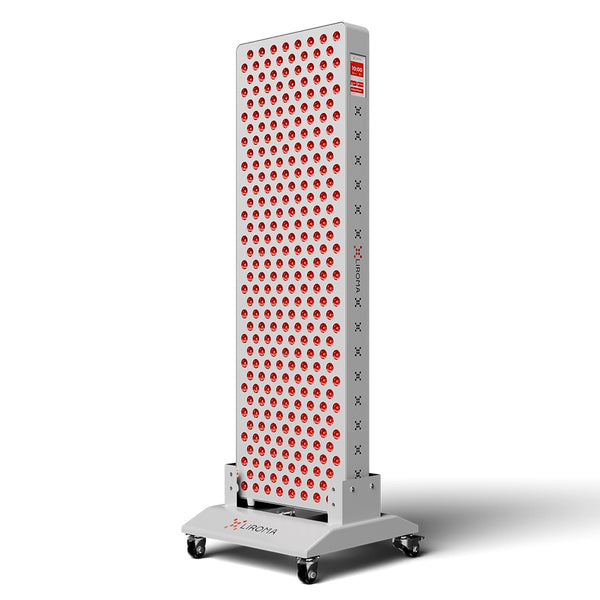
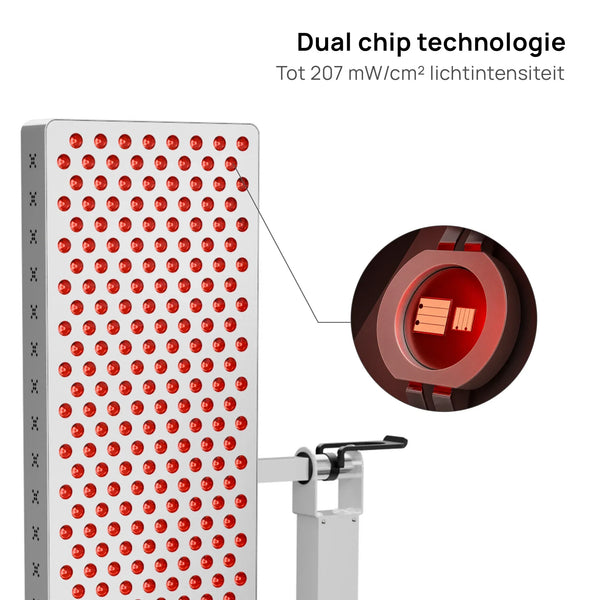
Liroma Red Light Therapy lamps are equipped with dual LED chips, allowing one lamp to emit two different wavelengths simultaneously. This means that the lamp produces a total of four different wavelengths, divided across two types of light: red light and near-infrared light.
- Red light (visible): Penetrates deeper than other types of light, such as UV, blue, or green light. It has a therapeutic and healing effect on the skin.
-
Near-infrared (invisible): Has a powerful penetrating effect and reaches deeper tissues, muscles, and joints.

Scientific research
Many studies have concluded that this combination of specific light frequencies from our red light lamps is particularly beneficial for the human body. Each specific wavelength has a different effect. Red light reaches a depth that other forms of light, such as UV, blue or green light, cannot reach and has a therapeutic and healing effect on the skin.
The shorter the wavelengths within the infrared spectrum, the deeper the radiation penetrates the body. Near-infrared light (short wavelength) is barely visible to the naked eye, but has the greatest penetrating effect, making it easier to reach deeper-lying tissues, muscles and joints. Combining these in one lamp is, of course, a great development!
What is the difference between red light and infrared?
Red Light Therapy: This therapy uses specific wavelengths of red light to penetrate deep into the skin and offers therapeutic benefits for the skin, such as stimulating collagen production and promoting healing.
Infrared therapy: This light therapy uses near-infrared light that penetrates deeper into the body and affects tissues, muscles and joints. It helps reduce pain and improve blood circulation.
Combining red and infrared light in one lamp is a great development!

What are the benefits of light therapy?
- Relieves muscle and joint pain
- Relief from chronic
- Skin conditions (Acne, psoriasis, eczema and rosacea)
- Improves training performance
- Increases ATP levels (energy)
- Improves blood circulation
- Improves sleep quality
- Relieves stress
- Accelerates recovery
- Promotes blood circulation
- Reduces skin complaints and conditions
- Anti-inflammatory
- Helps with wound healing
- Collagen production
- Prevents injuries
- Reduces scarring
- Promotes healing
- Reduces rheumatic complaints, such as fibromyalgia and arthritis
- Stimulates hair growth

When should I use red light mode and when should I use infrared mode?

How do I use the red light panels?
Frequency
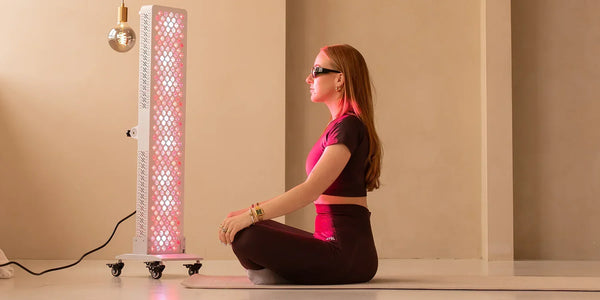
Use the lamp 3 to 7 times per week, no more than once per day per body part. Start slowly with a short session and a greater distance so that your body can adjust.
Distance & treatment duration
Keep the panel 30 to 50 cm away. Closer works more intensively and deeply, while farther away is gentler and more focused on the skin.
- Deep treatment: approx. 10 minutes at a distance of approximately 30 cm.
- Skin treatment: approx. 10 minutes at a distance of approximately 50 cm.
-
Maximum treatment time: 20 minutes per session.
Use & settings
- The lamp has three modes:
- NIR (Near-infrared)
- NIR & RED simultaneously
- RED (Red light)
- The selected mode is indicated by the lights (NIR and RED) to the left of the display.
- The lamp becomes slightly warmer after being switched on, but does not radiate heat.
Important precautions
- Always put on the protective goggles before starting the treatment.
- Never look directly into the lamp while adjusting it.
- Make sure the part of the body being treated is uncovered for maximum effectiveness.
Energy consumption
It is generally known that an LED bulb is more energy-efficient than other bulbs. An LED bulb is 90% more energy-efficient than an incandescent bulb and uses 85% less electricity than, for example, a halogen bulb. The bulbs therefore also have low energy consumption.
Benefits of LED
- More energy-efficient
- Last longer
- Provide full light immediately
- Does not flicker
- Less sensitive to overheating
Want to try it yourself? View Liroma's red light panels. You have 60 days to test at home whether they're right for you.
View the panels