Infrared and red light for osteoarthritis: Can light therapy help?
The first steps out of bed feel stiff, and only after moving for a while does the knee start to loosen up. Light therapy does not cure osteoarthritis, but it may help relieve the symptoms. Infrared light brings warmth deep into the tissue, which stimulates blood circulation and may reduce pain and stiffness. Red light works with wavelengths of 630 and 660 nm, and near-infrared light with wavelengths of 830 and 850 nm. It penetrates approximately 5 to 10 millimeters deep and may have an anti-inflammatory effect. Below, you will learn what osteoarthritis is, how it differs from rheumatism, and what to consider when using light therapy.

60-day home trialFree shipping7 years of experience in light therapy
Please note: this information is based on scientific sources, customer experiences and our own knowledge of light therapy. It is not medical advice. If you take medication, have a medical condition or are unsure, talk to your doctor or a specialist first.
What is osteoarthritis?
Osteoarthritis is a common form of joint wear that mainly occurs in older people, but it can also affect younger people. In this condition, the cartilage in the joint wears down, causing the bones to rub against each other.
This wear causes pain, stiffness, and swelling. Osteoarthritis mainly affects weight-bearing joints such as the knees, hands (fingers), hips, and spine. The inflammatory processes that develop with osteoarthritis can further damage the joint.
What is the difference between osteoarthritis and rheumatism?
Although osteoarthritis and rheumatism cause similar symptoms, such as joint pain and inflammation, their causes are different.
- Rheumatism is an autoimmune disease in which the immune system attacks the body's own joints, causing inflammatory substances to be released.
- Osteoarthritis, on the other hand, develops due to wear and tear, overuse, or genetic factors.
However, both conditions require targeted treatment of joint inflammation and pain relief to improve quality of life.

Infrared light for osteoarthritis: How can it help?
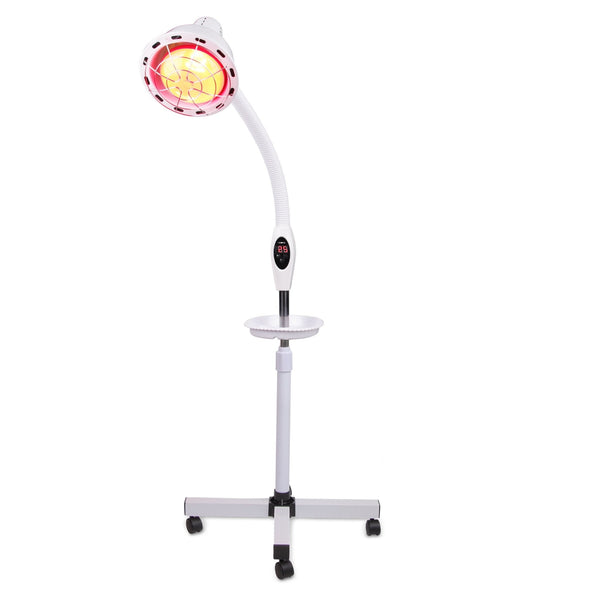
Infrared therapy can be a valuable addition for people with osteoarthritis. Infrared light brings warmth directly into the tissue, offering several benefits.
- Pain relief: The warmth stimulates blood circulation and helps reduce pain and stiffness.
- Improved range of motion: The deep-penetrating warmth relaxes the tissue, often resulting in better joint mobility.
- Reduction of inflammation: Infrared light may help combat inflammation and promote the regeneration of affected areas.
The pleasant warmth can also help relax the muscles around the joints, reducing pressure on the joints. With regular use, infrared therapy can significantly improve quality of life and mobility in daily life.

Red light for osteoarthritis: The difference from infrared light
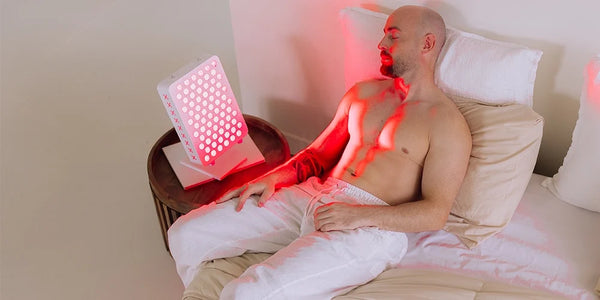
Red Light Therapy, also known as photobiomodulation, is a non-invasive treatment that uses specific wavelengths of red light (630 and 660 nm) and near-infrared light (830 and 850 nm).
Each wavelength penetrates the skin to a different depth and stimulates specific cellular processes. Light in the red and NIR spectrum can penetrate the skin to a depth of approximately 5 to 10 millimeters, allowing it to reach deeper tissue as well.
Red Light Therapy offers several benefits for osteoarthritis and rheumatism:
- Improved blood circulation: Red light stimulates blood circulation in the superficial layers of the skin, which may improve the supply of nutrients to the joints.
- Reduction of inflammation: Red light may have an anti-inflammatory effect and supports regeneration, helping to relieve inflammation and joint pain.
- Muscle relaxation: The gentle warmth of red light relaxes the tissue, resulting in general relief for the affected joint.
Red Light Therapy can therefore play an additional role in relieving osteoarthritis symptoms in a targeted way during acute complaints or inflammation.

Does light therapy have side effects?
Treatment with red and infrared light is generally considered safe. Nevertheless, like many other therapies, it may cause certain side effects if used incorrectly.
Caution is advised for people with certain conditions or health problems; they may be better off avoiding infrared phototherapy. For a detailed explanation, we recommend consulting our comprehensive guide on possible side effects and contraindications.
Additional tips for relieving osteoarthritis symptoms
In addition to infrared and red light therapy, other approaches may help with osteoarthritis:
- Exercise: Regular, gentle movement helps keep the joints flexible. Activities such as swimming or cycling are particularly suitable.
- Healthy diet: An anti-inflammatory diet rich in fruit, vegetables, fish, and healthy fats may help reduce inflammation in the joints.
- Weight management: Every extra kilogram puts additional strain on the joints. A healthy weight can reduce pressure on the joints and thereby also reduce osteoarthritis symptoms.
These additional approaches, together with light therapy, may help reduce osteoarthritis symptoms and improve overall quality of life.
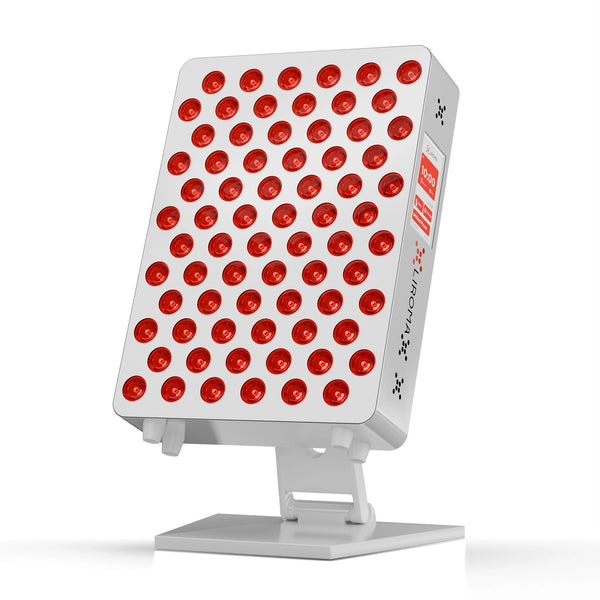
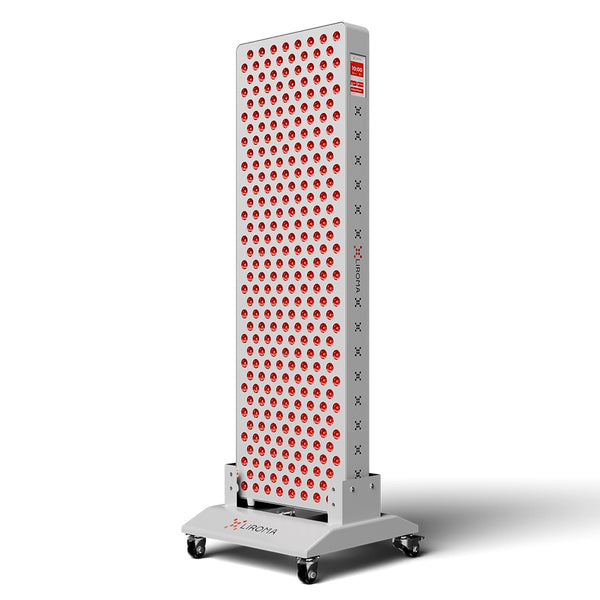
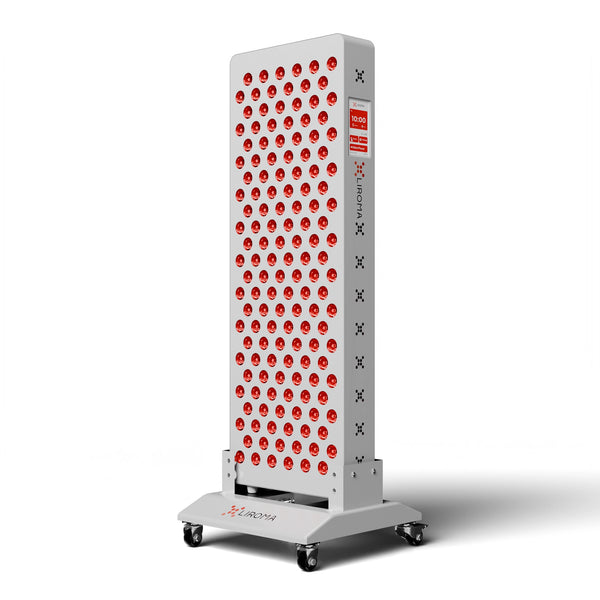
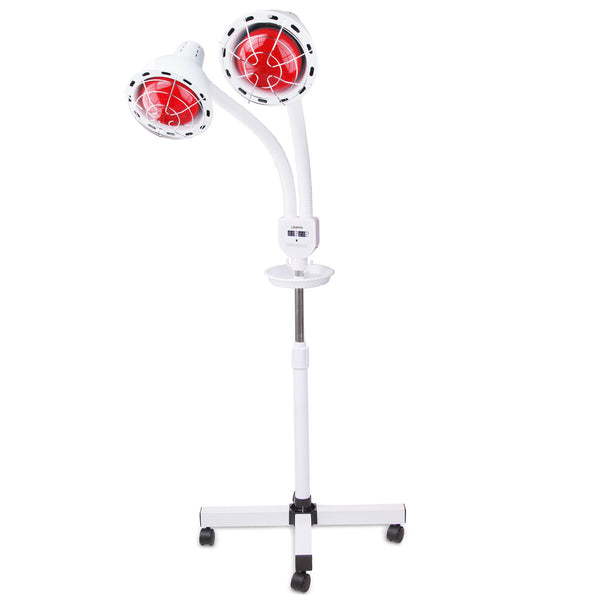
Want to try it yourself? Discover Liroma's lamps for muscles and joints. You have 60 days to test at home whether they suit you.
View for muscles and joints