Red Light Therapy and eczema: How does it work?
Dry, itchy patches in the crook of your elbow that flare up again after every cold week. Red Light Therapy works for eczema in the upper layers of the skin. Wavelengths around 630 and 660 nm reduce inflammation and stimulate the repair of skin cells, which can reduce redness, itching and flaking. You usually apply it 3 to 5 times a week, for 10 to 20 minutes per session, at a distance of 30 to 50 centimeters from the skin. Most users notice a difference after 2 to 4 weeks. Below, you can read how to recognize eczema, why red light is a better fit here than infrared and how to use the panels safely.
Your skin itches, redness appears, and you wonder: is there anything that really helps with eczema? Then Red Light Therapy may be exactly what you are looking for. In this blog, you will read how it works and, more importantly, whether it really makes a difference.

60-day home trialFree shipping7 years of experience in light therapy
Please note: this information is based on scientific sources, customer experiences and our own knowledge of light therapy. It is not medical advice. If you take medication, have a medical condition or are unsure, talk to your doctor or a specialist first.
What is eczema and how can you recognize it?
Eczema is a common and persistent skin condition that can affect people of all ages. It often begins at a young age, but can develop at any time. With atopic eczema, the skin is easily irritated by external stimuli, leading to recurring inflammation.
Constant itching and skin problems mean that eczema has a significant impact on daily life. It causes not only physical discomfort, but also psychological issues such as stress or embarrassment. And the frustrating part? It rarely disappears on its own.
What are the causes?
The exact cause is not yet fully known, but it is clear that eczema is the result of a combination of different factors:
- A disrupted skin barrier: due to a deficiency of ceramides (natural fats in the skin), the skin loses moisture and becomes more vulnerable to external influences.
- Overactive immune system: responds to harmless stimuli as if they were threats, causing inflammation.
- Genetic predisposition: it occurs more often in people with a family history of it.
- External triggers: such as pollen, dust mites, certain skincare products or rough fabrics.
- Psychological factors: stress or emotions can worsen symptoms or trigger new flare-ups.
How can I recognize eczema?
Symptoms differ from person to person, but there are several signs that often occur:
- Severe itching (especially at night)
- Redness and irritated skin
- Dry, scaly patches
- Small bumps or blisters
- Crusting or fissures caused by prolonged irritation
- Thickening of the skin caused by excessive scratching (lichenification)

Can light therapy help with my complaints?
Light therapy is becoming increasingly popular as a natural treatment for a range of complaints. From muscle recovery to skin problems, more and more people are discovering the benefits of red light. But how exactly does it work? And can it really help with eczema?
What is red light therapy?
Red Light Therapy, also known as photobiomodulation (PBM), uses low-energy light to positively influence biological processes in the body. Unlike UV light, this light is not harmful. Instead, it helps reduce inflammation and stimulate the recovery of skin cells.
The therapy uses light waves in different spectrums:
- Red light (620–700 nm): works superficially and is ideal for skin problems such as eczema.
- Near-infrared light (700–1100 nm): penetrates deeper into the body but is less suitable for superficial skin complaints.
Which wavelengths are used?
Within red light therapy, there are different wavelengths, each with a specific effect:
- 630 nm (red): stimulates collagen production, reduces inflammation, and improves skin texture.
- 660 nm (red): penetrates slightly deeper, accelerates wound healing, and reduces redness.
- 830 nm (near-infrared): reaches deep tissues, relieves pain, and promotes recovery.
- 850 nm (near-infrared): supports muscle recovery and increases ATP production, the energy source of cells.
Why red light and not infrared?
Although red light and Infrared therapy are often mentioned together, they have different applications. In eczema, the problem is in the upper layers of the skin. That is precisely where red light is most effective.
Infrared light penetrates deeper and is more suitable for, for example, muscle or joint pain. For skin conditions, red light is therefore the preferred choice.

How does red light relieve eczema?
Research shows that red light has an anti-inflammatory effect and stimulates skin regeneration. The benefits for people with eczema include:
- Reduction of redness, itching, and flaking
- Strengthening of the skin barrier, making the skin less sensitive to irritation
- Stimulation of cell renewal, which accelerates recovery
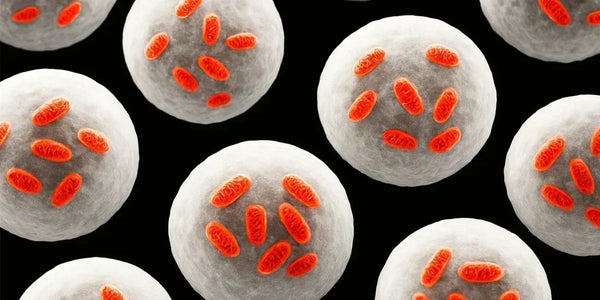
Red light penetrates the skin cells and activates the mitochondria, the energy centers of our cells. This improves the energy balance, resulting in faster healing and less inflammation.
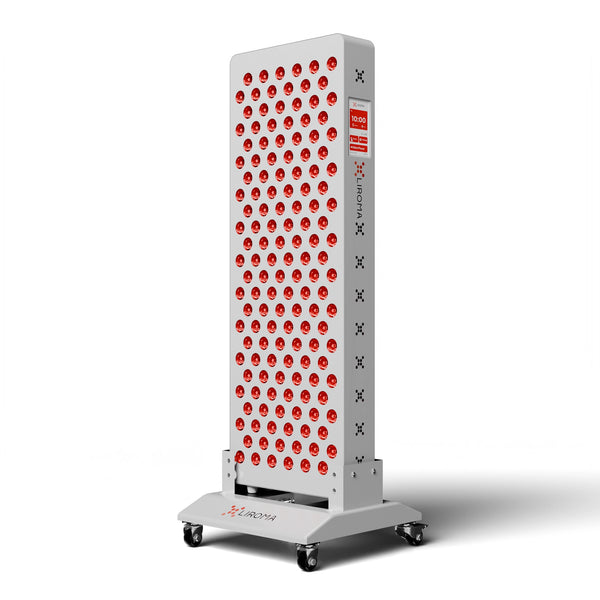
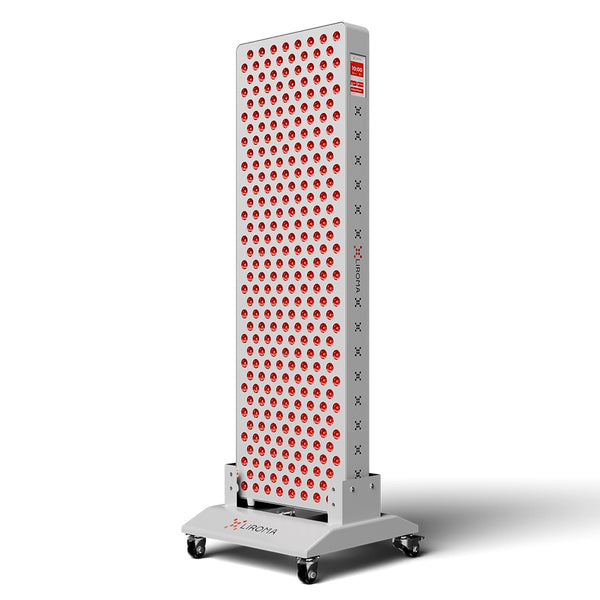
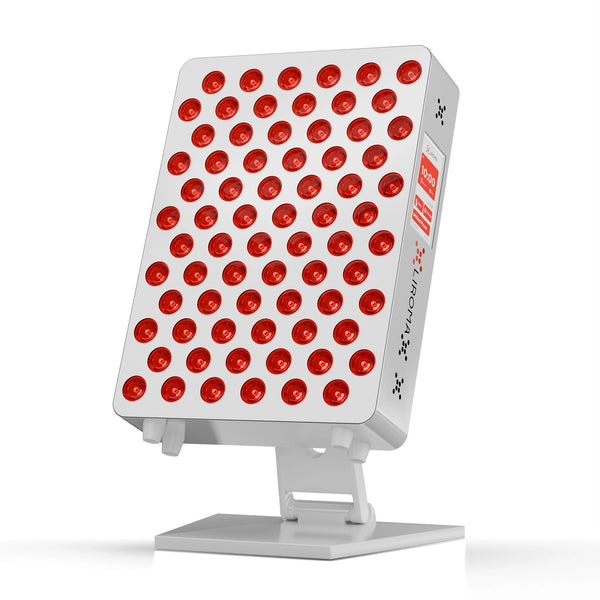
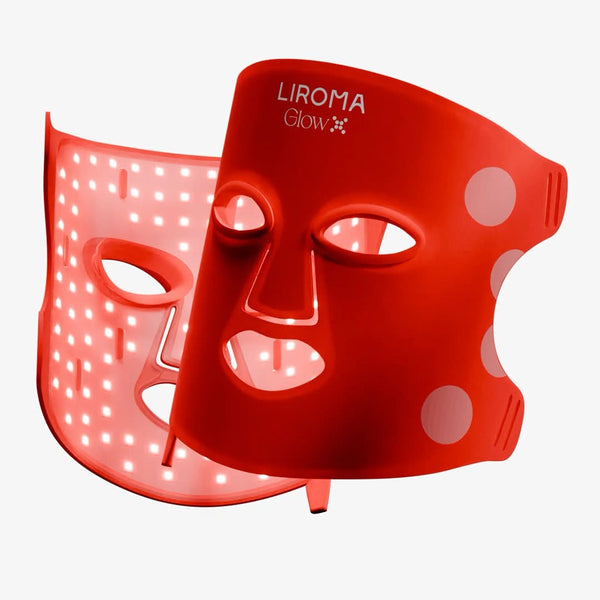
Discover our red light therapy lamps
Additional skin benefits of red light lamps
In addition to relieving eczema symptoms, light therapy has other skin-enhancing effects:
- Acne: reduces bacteria and inflammation
- Fine lines and wrinkles: stimulates collagen production through fibroblasts
- Pigmentation spots and skin aging: evens out the complexion and promotes skin renewal

User guide: how do you use red light panels?
To get the most out of light therapy, it is important to apply the treatment correctly. Below, you will read how to do this safely and effectively.
1. Frequency of use
For the best results, it is recommended to use red light therapy at least 3 to 5 times per week. For mild symptoms, twice a week may already provide improvement, but consistency is crucial for a long-lasting effect.
2. Duration per session
A session lasts an average of between 10 and 20 minutes, depending on the device and the intensity of the light. More time does not always mean better results, so follow the recommended treatment duration.
3. Distance from the skin
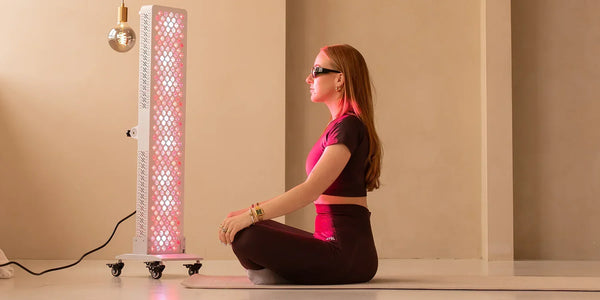
Place the device approximately 30 to 50 centimeters away from the area of skin being treated. Make sure the light shines directly onto the skin without clothing or bandages in between.
4. Safe use
- Wear eye protection when treating the face or when the light comes close to the eyes.
- Follow the device manual for the correct settings.
- Use on clean skin, without makeup or creams.
- Pay attention to your skin's reaction: if redness or irritation occurs, it is advisable to skip a day.
Would you like to learn more about the safety of light therapy? Then also read our blog: Is light therapy dangerous and are there any side effects?

Frequently asked questions
How quickly will I see results for eczema?
Most users experience relief from symptoms such as itching, redness, and flaking after 2 to 4 weeks. This depends on the severity of the eczema and how consistently it is used.
Can I combine light therapy with other treatments?
Yes, light panels are generally safe to combine with other treatments such as creams or medication. However, it is advisable to discuss this with your doctor or dermatologist, especially when using photosensitizing agents.
Does red light therapy work for all forms of eczema?
The therapy is most effective for superficial forms such as constitutional eczema (atopic dermatitis). For very dry or cracked skin, moisturizing beforehand with a neutral cream may improve its effectiveness.
Is red light suitable for children?
Red light is generally safe for children, but it is important to seek medical advice beforehand. Children's skin is more sensitive, so application should always be carried out carefully and under supervision.
Want to try it yourself? View Liroma's red light therapy products for the skin. You have 60 days to test at home whether it's right for you.
View for skin