Red Light Therapy and recovery: does it work?
Three days after a hard workout, your legs still feel heavy with every step. Red light therapy can support recovery. The light stimulates your mitochondria to produce more ATP, improving circulation, speeding up the removal of waste products, and reducing inflammatory processes. Research points in that direction for wound healing, ATP production, and muscle recovery, although there is still much to discover. As a guideline, use a panel 2 to 5 times per week, for 10 to 20 minutes per session, at a distance of 30 to 50 cm from the skin. Below, you’ll read how it works, what red light is used for, and how to apply it at home.
Red light therapy has become hugely popular in recent years, and for good reason. More and more people are discovering that a little light can help them recover faster, feel less pain, and simply feel better in their own skin.

60-day home trialFree shipping7 years of experience in light therapy
Please note: this information is based on scientific sources, customer experiences and our own knowledge of light therapy. It is not medical advice. If you take medication, have a medical condition or are unsure, talk to your doctor or a specialist first.
How does red light therapy support recovery?
Red Light Therapy (also known as photobiomodulation) is a treatment in which your body is exposed to specific wavelengths of red and near-infrared light. That may sound simple, but the effect begins deep within your cells.
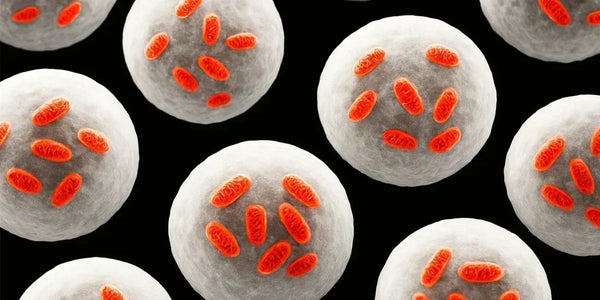
The secret lies in the mitochondria, the tiny energy factories in your body. When these light waves penetrate your skin, they stimulate the mitochondria to produce more ATP, the energy cells need to repair, renew, and function optimally.
That extra energy sets all kinds of things in motion:
- Better circulation: your blood vessels dilate slightly, allowing oxygen and nutrients to reach the right place faster.
- Faster removal of waste products: such as lactic acid after a workout.
- Less inflammation: red light reduces inflammatory processes at the cellular level.
- More relaxation: muscles feel more supple and less tense.
The result? Your body recovers faster, feels less heavy or stiff, and gets a natural boost without you having to do anything except... sit under a lamp.
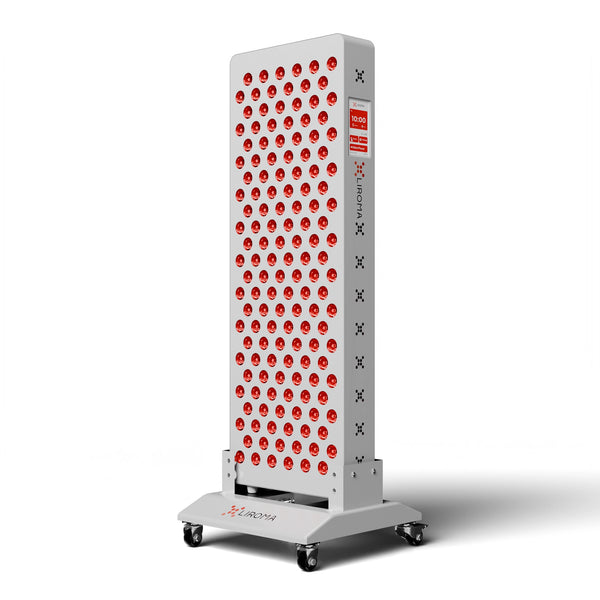
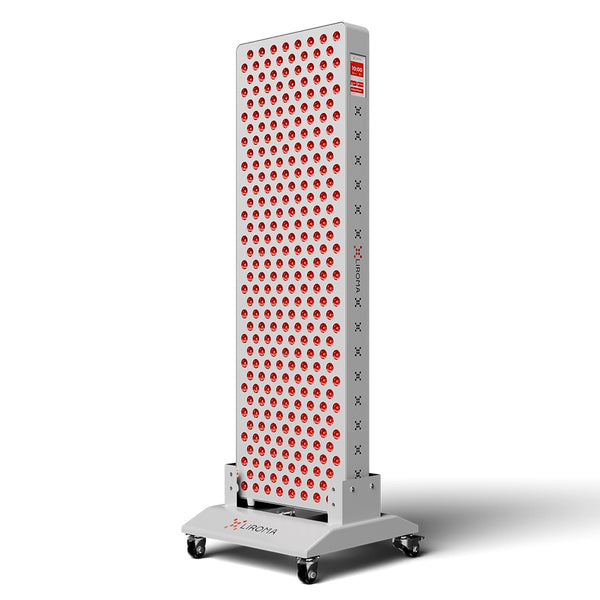
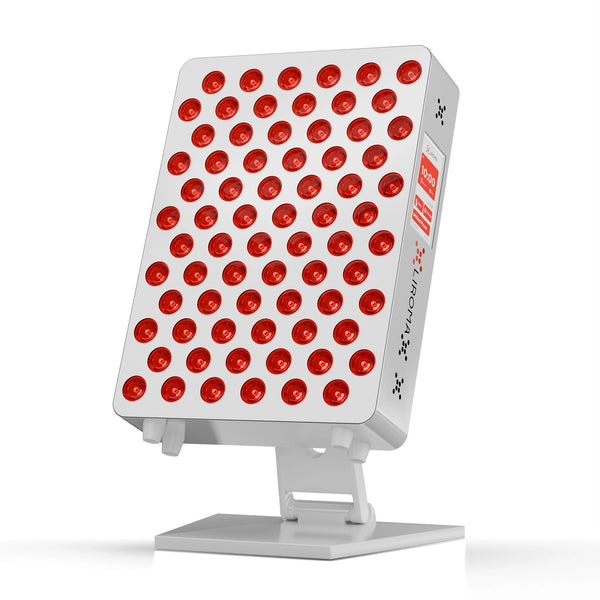
View all red light therapy panels
Red light vs. infrared lamps: what’s the difference?
Red light primarily affects cellular energy (ATP), while infrared lamps with heat provide noticeable warmth and penetrate deeper into muscles and joints. Both support recovery, but in different ways.

What applications is red light used for?
Muscle recovery after training
- Less muscle soreness
- Faster removal of lactic acid
- More energy in muscle cells
- Less stiffness the next day
Pain relief for muscles & joints
Many people use red light for back, neck, or shoulder problems. It helps relax muscles and supports joint recovery.
Inflammation & chronic pain
For concerns such as rheumatism, fibromyalgia, or long-term joint pain, red light can provide relief. It has anti-inflammatory effects and supports the body's natural healing process.
Skin recovery & rejuvenation
- Stimulate collagen production
- Help scars and wounds heal faster
- Reduce redness and acne
- Make skin firmer and more even
Sleep & relaxation
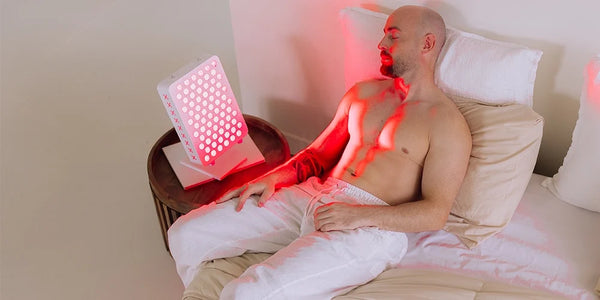
Red light can help support your melatonin production, making it easier to fall asleep and wake up feeling more rested.

Who are red light lamps popular with?
You see it being used by all kinds of groups:
- Athletes who want to recover faster and experience less muscle soreness
- People with chronic pain such as joint problems or fibromyalgia
- Beauty enthusiasts who want to improve their skin
- Busy professionals who want to sleep better or seek more relaxation
- People with skin concerns such as acne, redness, or scars
In short: it's not just for elite athletes; it's for anyone who wants to give their body a helping hand.
Is it scientifically proven?
Research into red light therapy is growing rapidly, and although there is still much to discover, there are a few things scientists increasingly agree on:
- Wound healing: studies show that red light activates fibroblasts and accelerates wound closure.
- ATP production: research shows that red light stimulates the mitochondria to produce more ATP.
- Anti-inflammatory effects: a study shows that photobiomodulation can reduce inflammatory processes and relieve pain.
- Muscle recovery: studies show that Red Light Therapy can reduce muscle fatigue and accelerate recovery.

How do I use red light panels?
Want to get started yourself? These guidelines will help:
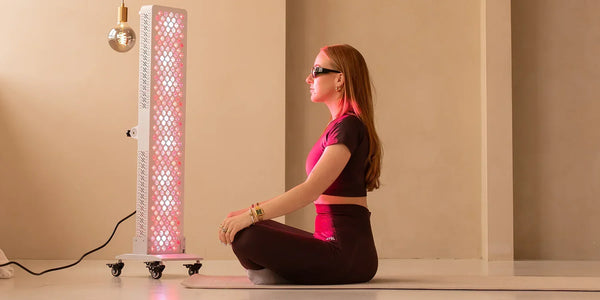
- Frequency: 2 to 5 times per week works well for most people.
- Duration: 10 to 20 minutes per session.
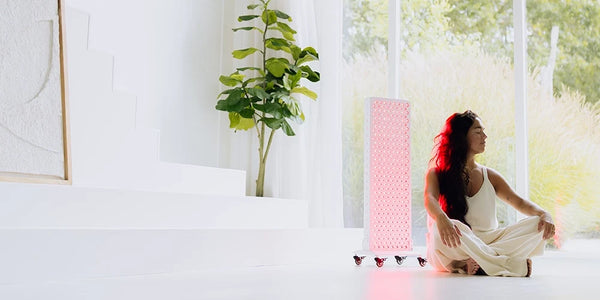
- Distance: approximately 30 to 50 cm from the skin.
- Consistency: short, regular sessions are better than very long sessions every now and then.
- Listen to your body: do you notice that your muscles relax faster or that your skin becomes calmer? Then you are on the right track.
You do not need to do anything else: no creams, no heat, and no complicated steps. Just sit for a while, relax, and let the light do its work.
Conclusion
Red Light Therapy is a surprisingly simple way to support your body with recovery, relaxation, and overall well-being. Whether you exercise, experience pain, want to improve your skin, or are simply looking for some extra balance, red light can be a valuable addition to your routine.
It is safe, painless, and easy to use at home. And the best part? Your body does the real work; the light only gives it a helping hand.
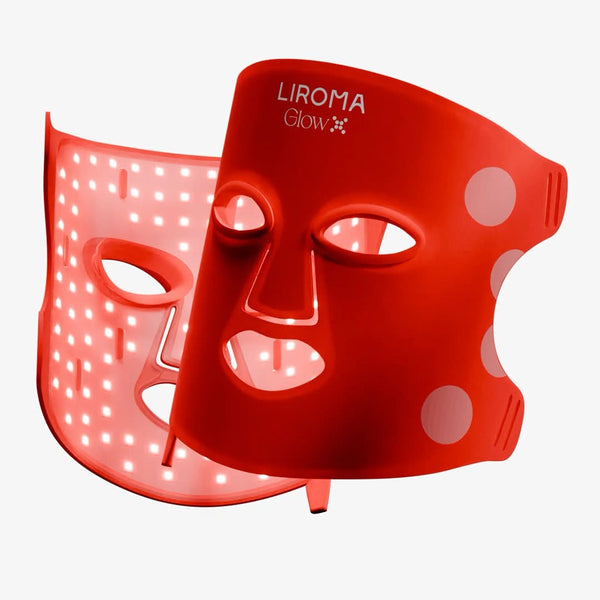
Want to try it yourself? View Liroma's red light panels. You have 60 days to test at home whether it suits you.
View the panels