Natural anti-inflammatory remedies: 4 options that may help!
After weeks of taking paracetamol for an aching joint, you may prefer something else. Four natural anti-inflammatory remedies are foods and supplements (omega-3, turmeric, boswellia, and ginger), Red Light Therapy, sufficient exercise, and a healthy sleep routine. You typically use Red Light Therapy 3 to 5 times a week, for 10 to 20 minutes per session and at a distance of 30 to 50 cm from the lamp. Natural remedies generally carry a lower risk of side effects than conventional painkillers, but be cautious with excessive use or allergies. Below, you can read what anti-inflammatory remedies are and how to use each one.
Pain in your knees, back, or from migraines? Inflammation can significantly affect your well-being, but there are natural solutions that can provide relief. Discover in this blog what anti-inflammatory remedies are, how they work, and which alternatives you can try. Read on and give your health a boost!

60-day home trialFree shipping7 years of experience in light therapy
Please note: this information is based on scientific sources, customer experiences and our own knowledge of light therapy. It is not medical advice. If you take medication, have a medical condition or are unsure, talk to your doctor or a specialist first.
What are anti-inflammatory medications?
Anti-inflammatory medications are remedies that reduce your body's response to inflammation. Inflammation often occurs as a natural response to an injury, illness, or overuse. Although this response is intended to protect your body, it can sometimes cause pain, swelling, and stiffness.
Often used for:
Anti-inflammatory medications are often used for various complaints, such as:
- Menstrual pain
- Headaches and migraines
- Toothache
- Back pain
- Rheumatism and osteoarthritis
- Gout
- Bursitis
- Flu and colds

How do anti-inflammatory medications work?
Anti-inflammatory medications block specific substances in your body that cause inflammation. This reduces pain and swelling and gives you greater freedom of movement. Natural anti-inflammatory remedies often work by supporting your immune system or promoting your body's natural healing process.
What are the side effects?
With conventional anti-inflammatory medications, such as painkillers, you may experience:
- Stomach problems
- Dizziness
- Nausea
- Fatigue
- High blood pressure
Natural anti-inflammatory remedies generally carry a lower risk of side effects, but you should still be cautious with excessive use or allergies. If in doubt, always consult a specialist.

Natural anti-inflammatory remedies: 4 options
If you want to reduce inflammation without synthetic medications, you can consider natural alternatives. These not only help with pain and swelling but also support your overall health.
1. Food / supplements
Food is one of the most powerful ways to naturally support your body in fighting inflammation. By adding anti-inflammatory ingredients to your diet, you can improve your health and reduce symptoms.
- Omega-3 fatty acids: Found in fatty fish (such as salmon and mackerel), flaxseeds, and chia seeds. Omega-3 helps reduce inflammation in the joints and may relieve symptoms of osteoarthritis and rheumatism.
- Turmeric: This yellow spice contains curcumin, a compound with powerful anti-inflammatory properties. Turmeric may help with symptoms such as joint pain, osteoarthritis, and muscle stiffness. It is often used as a supplement for a concentrated effect.
- Boswellia: Also known as frankincense tree, it is a natural anti-inflammatory often used for chronic conditions such as rheumatism and osteoarthritis. Boswellia has a calming effect on your immune system and supports joints and muscles.
- Ginger: This root has pain-relieving and anti-inflammatory properties. Ginger is ideal for muscle pain, menstrual cramps, and headaches.
- Vitamin D and magnesium: These nutrients play an important role in regulating inflammation. A deficiency can worsen symptoms such as muscle pain and fatigue.
Combining a healthy diet with high-quality supplements can have a significant impact on your well-being.

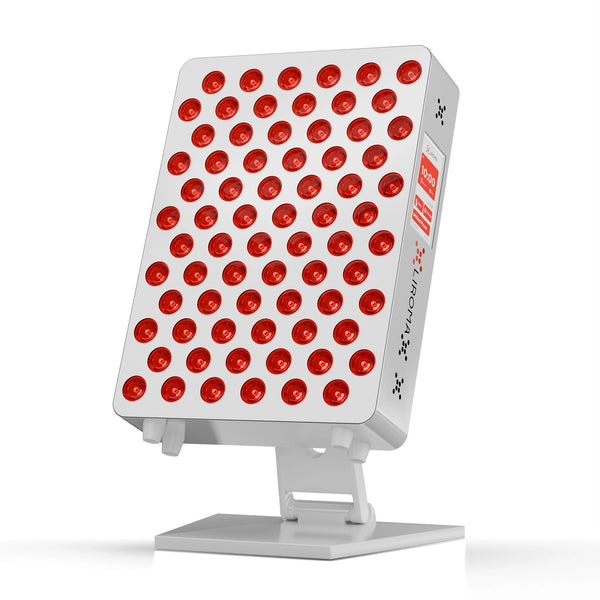
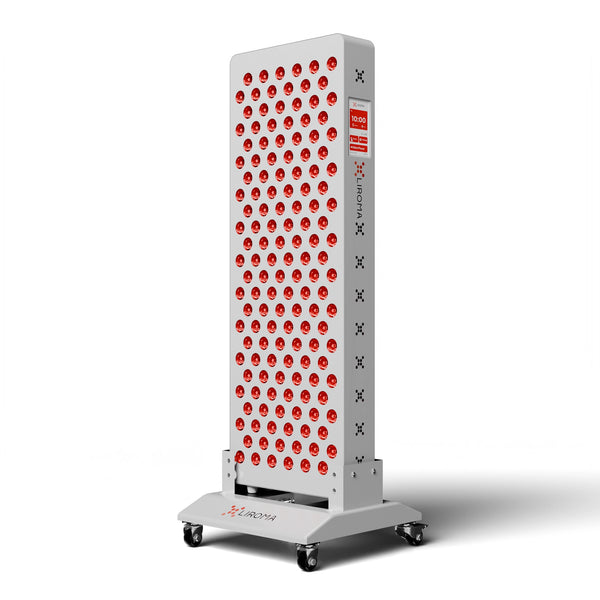
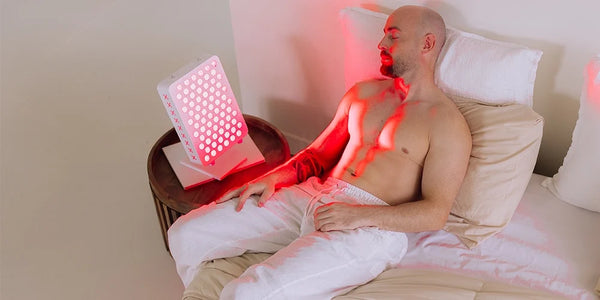
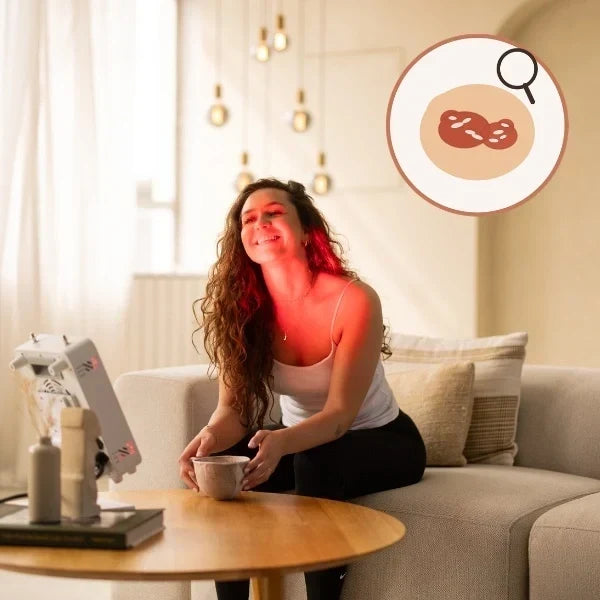
2. Red Light Therapy
Red Light Therapy, also known as photobiomodulation, is a non-invasive method for reducing inflammation and promoting recovery. It uses specific wavelengths of red light (630-660 nm) and near-infrared light (830-850 nm), which penetrate deep into the skin and stimulate your cells' energy factories, the mitochondria. This leads to less pain, faster healing, and improved cell repair.
View all red light therapy lamps
How does it work?
Red light penetrates up to 5-10 millimeters into the skin, while near-infrared light reaches deeper tissue. This makes the therapy effective for issues such as joint pain, muscle recovery, and skin problems.
How do you use it?
- Frequency: 3-5 times per week.
- Duration: 10-20 minutes per session.
- Distance: 30-50 cm from the lamp, unless otherwise stated.
Red Light Therapy is safe, painless, and ideal as a supplement to a healthy lifestyle for reducing inflammation and pain.

3. Sufficient exercise
Regular exercise is essential for reducing inflammation and maintaining healthy joints and muscles. It stimulates circulation and helps remove waste products more quickly. It also strengthens the muscles around joints, which can reduce pressure and pain.
- Gentle forms of exercise such as walking, cycling, or swimming are ideal if you have painful joints.
- Yoga and stretching promote flexibility and reduce stiffness.
- Strength training can help strengthen muscles, providing better support for your joints.
The most important thing is to listen to your body and choose exercise that suits you. Overexertion can actually worsen symptoms.

4. A healthy sleep schedule
Sleep is crucial for recovery and reducing inflammation in your body. During sleep, your body produces substances that inhibit inflammation and strengthen the immune system. Poor sleep, on the other hand, can lead to elevated inflammation levels and more pain.
Tips for a healthy sleep schedule:
- Create a consistent routine: Go to bed at the same time every day and get up at the same time.
- Avoid screens before bedtime: The blue light from screens can disrupt your biological clock.
- Keep your bedroom dark and cool: This promotes deeper sleep.
- Use relaxation techniques such as meditation or breathing exercises to unwind.
By optimizing your sleep schedule, you give your body the chance to effectively address inflammation.
Want to try it yourself? See Liroma's lamps for muscles and joints. You have 60 days to test it at home and see if it's right for you.
See for muscles and joints