Infrared or red light: What is the difference?
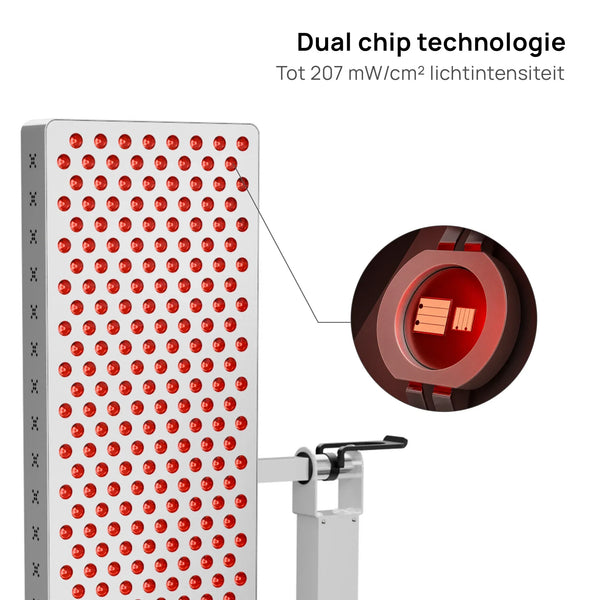
One box says red light, another says infrared, and the difference remains unclear. Red Light Therapy uses red and near-infrared light (630 to 660 nm and 830 to 850 nm) and does not produce heat itself. A heat-producing infrared lamp uses infrared light (IR-A, near-infrared), penetrates deeper into tissues, muscles, and joints, and does produce heat. A red light lamp lasts approximately 50,000 hours, while a heat-producing infrared lamp lasts approximately 3,000 hours. Below, you can read what each type is suitable for and how to choose.
Infrared and red light lamps are becoming increasingly popular for therapy and relaxation, but what makes these two types of light different? Here, you can read the main differences and discover which option best suits your needs.

60-day home trialFree shipping7 years of experience in light therapy
Please note: this information is based on scientific sources, customer experiences and our own knowledge of light therapy. It is not medical advice. If you take medication, have a medical condition or are unsure, talk to your doctor or a specialist first.
Difference between infrared and red light lamps
Although red light therapy and Infrared therapy are often mentioned together, they are different treatments.
Red Light Therapy
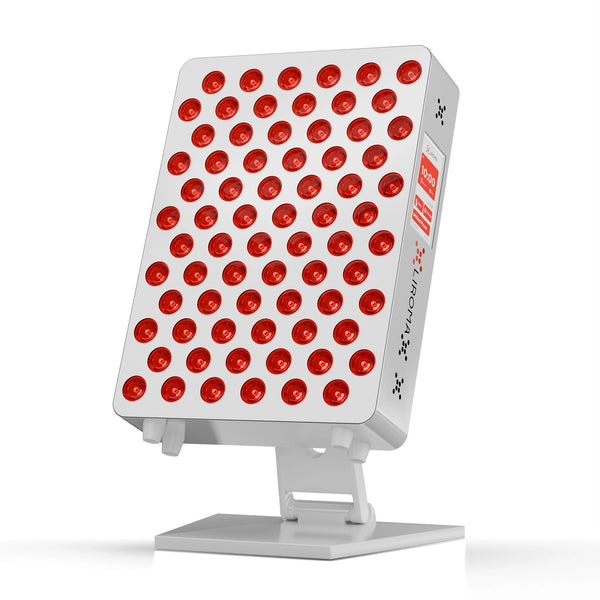
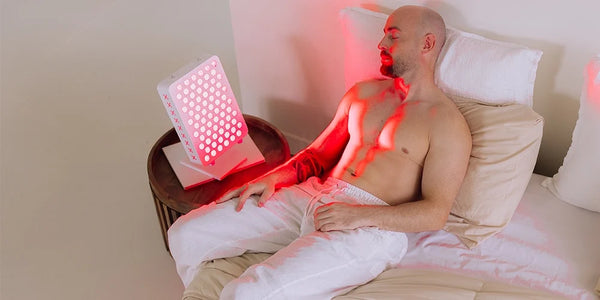
Red Light Therapy uses specific wavelengths of red light to penetrate deep into the skin and offers therapeutic benefits for the skin, such as stimulating collagen production and promoting healing.
Red light lamps are ideal for:
- Improving skin texture
- Relieving chronic discomfort, such as rheumatism or osteoarthritis
- Improving sleep quality and reducing stress
- Relieving sore muscles
- Muscle recovery and healing
View all red light therapy lamps

Infrared therapy
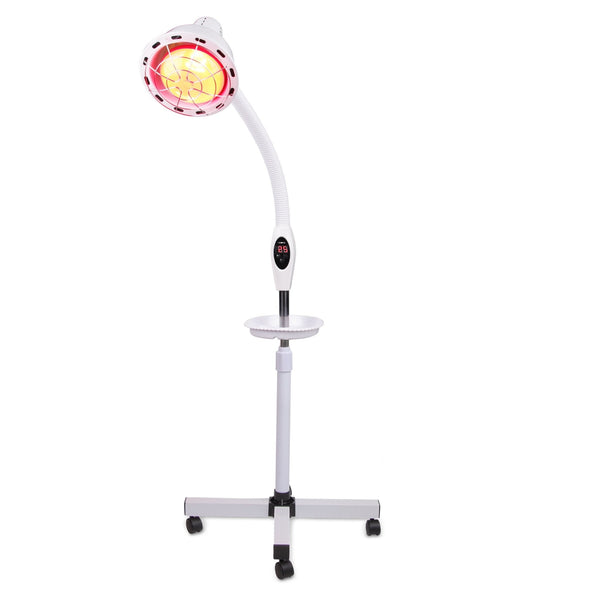
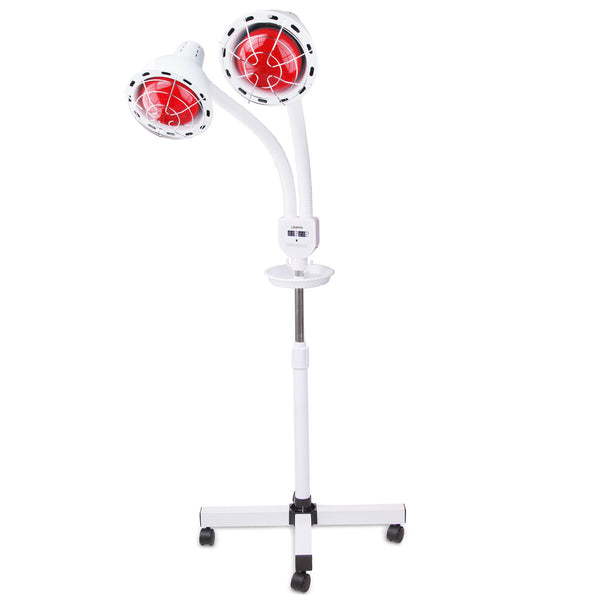
Infrared therapy uses near-infrared light that penetrates deeper into the body and affects tissues, muscles, and joints. It helps reduce pain and improve blood circulation.
Heat-producing infrared lamps are ideal for:
- Relieving pain in joints and muscles
- Improving blood circulation
- Relaxing deeper body tissues
- The detoxification process (stimulating sweating)
- Reducing stress
View all heat-producing infrared lamps
Red light vs infrared
| Feature | Red light | Infrared |
|---|---|---|
| Wavelengths | 4 wavelengths (630 - 660nm and 830 - 850nm | IR-A (700 - 1400nm) |
| Light source | Red light and NIR infrared light | Infrared light |
| Material | Stainless steel | ABS |
| Lifespan | Approximately 50,000 hours | Approximately 3,000 hours |
| Heat | X | ✓ |
Which lamp should you choose?
Choosing the right lamp depends on your needs. Do you mainly suffer from muscle pain or joint complaints? Then a heat-producing infrared lamp is a good choice. Do you want to improve your skin or address signs of aging? Then choose a red light lamp. Also make sure you choose a lamp with a suitable intensity and wavelength, as this affects its effectiveness.
Choose a lamp that suits your specific preferences and pay attention to factors such as intensity and ease of use. This way, you will get the most out of light therapy!
Want to try it yourself? View Liroma's complete range and compare red light and infrared for yourself. You have 60 days to test it at home and see whether it suits you.
View all products