Red Light Therapy for Stress & Anxiety: How Does It Help?
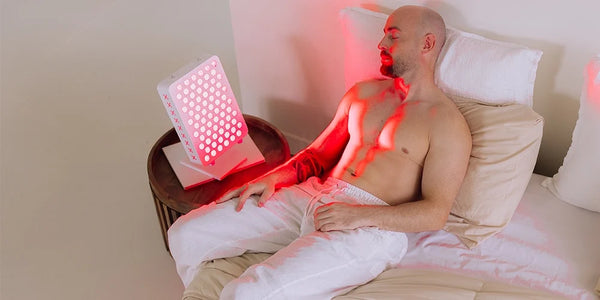
At eleven o’clock in the evening, you’re in bed and your mind is still going over the day. Red light can help your nervous system switch back to a calmer state: it does not disrupt melatonin production, may lower cortisol, and may stimulate the production of serotonin and dopamine. It is not a magical solution, but it is an accessible way to support relaxation and sleep. In practice, you use a panel for 10 to 20 minutes per session at a distance of 30 to 50 cm, preferably in the evening and with eye protection. Below, you’ll read how it works, what the science says, and how to incorporate it into your evening routine.
Stress and restlessness seem to have become almost standard parts of our daily lives. No wonder more and more people are looking for ways to help their minds and bodies calm down again. Red Light Therapy is one method that is increasingly being used, and not without reason.

60-day home trialFree shipping7 years of experience in light therapy
Please note: this information is based on scientific sources, customer experiences and our own knowledge of light therapy. It is not medical advice. If you take medication, have a medical condition or are unsure, talk to your doctor or a specialist first.
How does red light therapy work for stress and anxiety?
When you are stressed, your body is essentially continuously “on.” Your heart rate is higher, your muscles are tense, and your nervous system is working overtime. Red light helps switch that system back to a calmer state. It works in several ways:
- It slows your stress response: Red light helps your body move out of that constant state of alertness. It calms the nervous system and guides you back toward relaxation.
- It supports your evening routine: The warm glow resembles a sunset. Your body recognizes the signal and prepares to wind down.
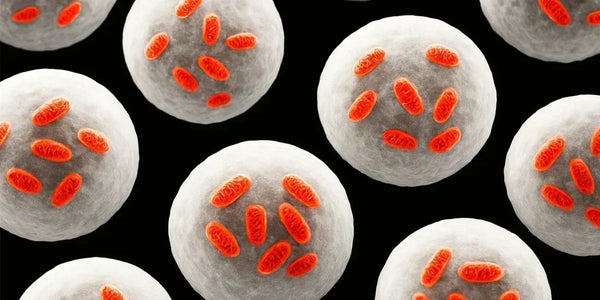
- It works at the cellular level: The light waves stimulate the mitochondria, the energy factories in your cells, allowing your body to recover more effectively.
- It helps you sleep more deeply: Red light does not disrupt melatonin production, making it easier to fall asleep and sleep more deeply.
In short: red light gives your body a gentle nudge toward rest, recovery, and balance.
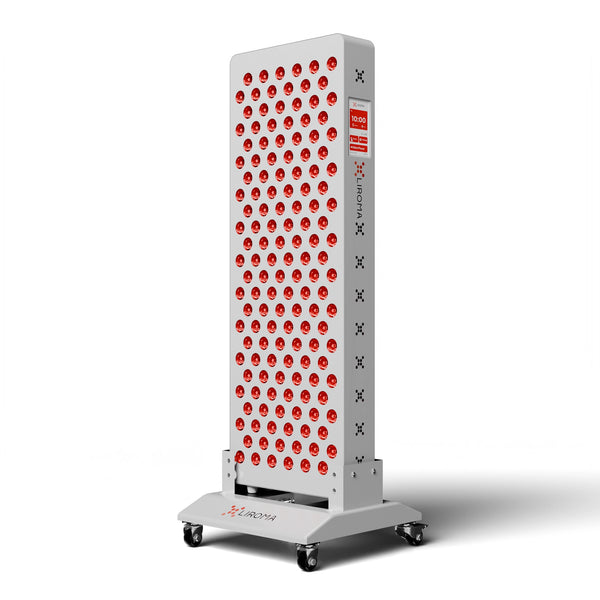
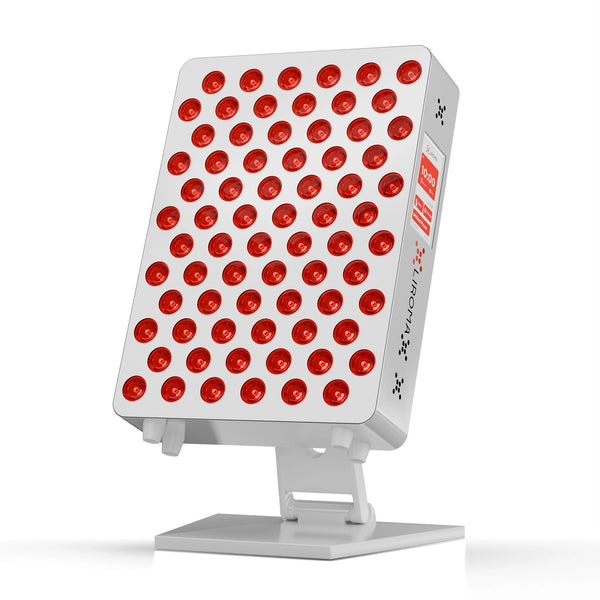
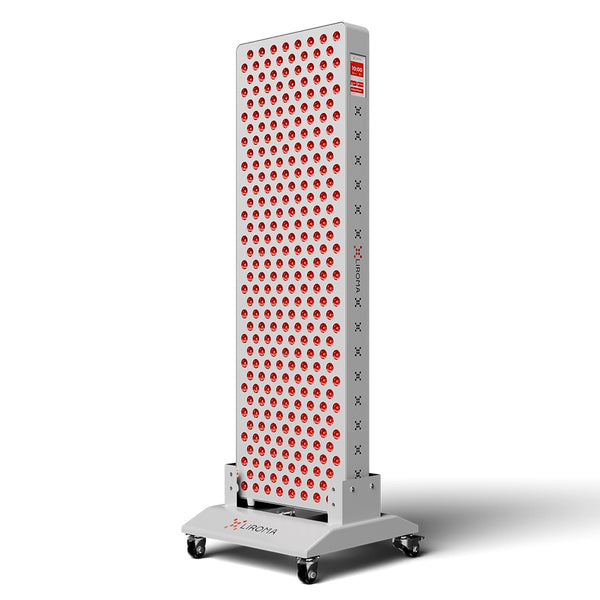
View all red light therapy panels
What are the benefits for mental health?
Red Light Therapy is increasingly being mentioned in the context of mental health. This is because it affects processes that directly influence how you feel.
- Less stress: Lowering cortisol (the stress hormone) creates more room for relaxation.
- Better sleep quality: A more stable sleep rhythm means more energy and less mental noise.
- Less anxiety and low mood: Red light may stimulate the production of serotonin and dopamine, neurotransmitters that regulate your mood.
- More energy and clarity: Due to increased ATP (cellular energy), many people feel less exhausted and more focused.
- Brain support: It reduces oxidative stress and inflammation, which may benefit your mental resilience.

Who is it popular with?
Red Light Therapy is used by a surprisingly broad group of people, such as:
- People with sleep problems
- People who experience a lot of stress or are recovering from burnout
- Athletes who want to recover faster
- People with demanding jobs or irregular schedules
- Anyone who has trouble switching “off” in the evening
It is accessible, non-invasive, and easy to incorporate into a daily routine, which makes it appealing to many different lifestyles.
What does the science say?
In recent years, considerable research has been conducted into red light and relaxation. For example, NEMO Kennislink describes how red light helps the brain enter “evening mode” because it does not disrupt melatonin production. As a result, you become sleepy more easily than with bright white or blue light in the bedroom.
In addition, a study published via PubMed shows that red light may influence brain activity and relaxation, which could help with stress and improve sleep.
Research available through ScienceDirect also indicates that red light may stimulate the mitochondria, the energy factories in your cells. This process plays a role in recovery, energy levels, and reducing oxidative stress.
The research is still developing, but the direction is clear: red light appears to be a safe, natural way to support relaxation, sleep, and recovery.

How do you use red light lamps?
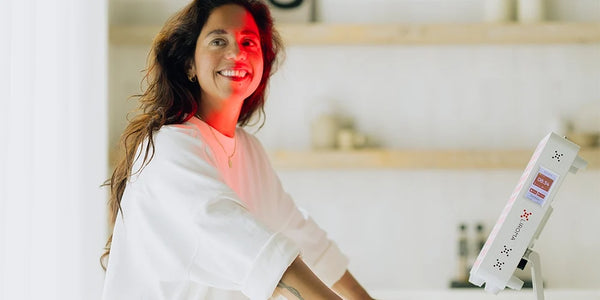
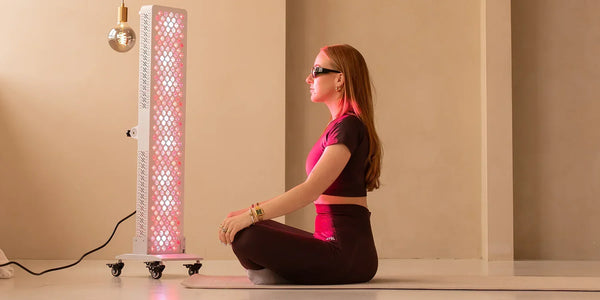
- Keep the panel approximately 30–50 cm away.
- Use it for 10–20 minutes per session.
- Direct the light at the area you want to treat (for stress, often the chest, face, or upper body).
- Always wear eye protection.
- Use it mainly in the evening for the best relaxing effect.
You can make it even more effective by making it part of a regular evening ritual, for example after showering or during a calming breathing exercise. Do not expect miracles after one session; consistent use is where the real benefits lie.
Conclusion
Red Light Therapy is a surprisingly simple way to help your body and mind relax. It supports your sleep, reduces stress, gives you more energy, and helps your nervous system calm down.
It is not a magical solution, but it is a natural, accessible method that is helping more and more people find balance again in a busy world.
Want to try it yourself? Explore the red light panels for sleep and relaxation. You have 60 days to test at home whether it suits you.
View for sleep