Infrared: reduce stress naturally
Your shoulders have been tense for weeks, and in the evening you can no longer relax. Infrared therapy brings warmth deep into the body, stimulates blood circulation and the supply of oxygen to the tissues, and relaxes tense muscles. The warmth promotes the release of endorphins, helping you feel calmer and sleep better. For severe stress symptoms, it is not a substitute for professional treatment; always seek help for that. Below, you can read how infrared therapy works and what prolonged stress does to your body.
60-day home trialFree shipping7 years of experience in light therapy
Please note: this information is based on scientific sources, customer experiences and our own knowledge of light therapy. It is not medical advice. If you take medication, have a medical condition or are unsure, talk to your doctor or a specialist first.
In our modern, hectic lives, stress symptoms have become almost unavoidable. Work pressure, family responsibilities, and countless other daily challenges can overload both our bodies and minds. Fortunately, there are various ways to reduce stress. One natural way to reduce stress symptoms is, for example, to use infrared therapy. In this article, we take a closer look at how infrared can help relieve stress.
What is infrared therapy?
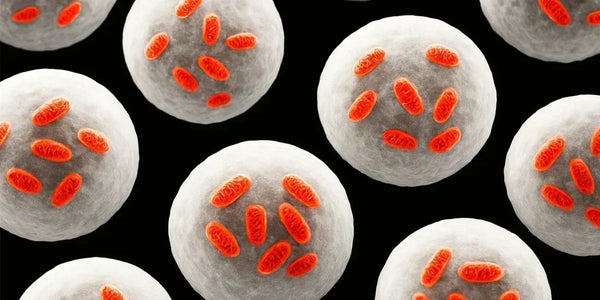
Infrared therapy uses infrared radiation to generate heat that penetrates deep into the body. Unlike other forms of therapy, such as massage or acupuncture, infrared therapy works at the cellular level. It stimulates blood circulation and increases the supply of oxygen to the tissues, accelerating the body's recovery process.

But how does infrared therapy help with stress symptoms?
- Deep relaxation: Infrared therapy warms the body, providing deep relaxation of the muscles and nerves. It stimulates the release of endorphins, the so-called “feel-good hormones,” which promote a feeling of well-being and relaxation.
- Relief from muscle tension: Stress can lead to tension in the muscles, which can result in a painful neck, back, and shoulders. Infrared therapy helps relax these tense muscles and relieve pain, helping you feel better physically and mentally.
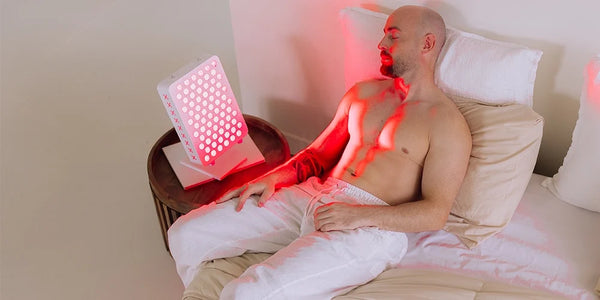
- Improved sleep quality: Stress can lead to sleep problems, which can make you tired and irritable. Infrared therapy can help improve your sleep by promoting relaxation, reducing pain, and regulating hormone balance.
- Improved blood circulation: Stress can lead to reduced blood circulation, which can result in a poor supply of oxygen and nutrients to the tissues. Infrared therapy stimulates blood circulation, ensuring that the tissues receive more oxygen and nutrients. This promotes recovery and reduces inflammation.
- Reduced feelings of anxiety: Infrared therapy can help reduce anxiety and stress-related symptoms. The relaxing effects of the warmth and the release of endorphins help calm the mind and promote a sense of calm.

What happens if I continue experiencing stress for too long?
Stress is very bad for our health, but we do not always realize this. It can cause both physical and mental problems that affect how we feel. If we are stressed for a long time, it can cause various health problems. It increases the risk of heart disease, high blood pressure, and digestive problems. We often experience headaches and muscle pain. Stress can weaken our immune system, making us more likely to get sick. It is also not surprising that stress affects how we feel. It can make us anxious, depressed, irritable, and moody. We feel constantly tense and restless. In addition, stress can cause poor sleep, leaving us tired and exhausted. Our concentration and memory become less effective, making it difficult to focus on tasks and remember things. This affects our work or school performance. Stress can also affect our eating habits. Some people eat more for comfort, while others have less appetite. This can lead to weight gain or weight loss, resulting in additional health problems. Finally, stress can cause us to withdraw from social activities and relationships. As a result, we feel lonely, and our stress may become even worse. It is very important to take stress seriously and work on managing it.
The vicious cycle of prolonged stress. Break it in time.
Infrared therapy can help reduce symptoms, but please note; it is not a substitute for professional treatment for severe stress symptoms. In that case, always seek professional help.

Besides stress, there are also other symptoms that infrared therapy or red light therapy may help with. It is used for muscle pain and stiffness, wound healing, inflammation, skin condition, and general well-being, and many users experience improvement in these areas. Whether you are an athlete recovering from an intense workout, work in an office with neck and back complaints, or are simply looking for a natural way to reduce stress, infrared therapy can be a valuable addition to your wellness routine.
Do you need help with something? Feel free to let us know!
Want to try it yourself? Explore Liroma's lamps for sleep and stress. You have 60 days to test at home whether they suit you.
View for sleep