Red Light Therapy and colds: does it really work?
You are on the third day of your cold, with a stuffy nose and a heavy head. No, Red Light Therapy does not cure a cold, and there is no evidence that it shortens its duration. However, there are indirect effects that may provide relief: improved circulation, reduced inflammation, relaxation of the airways, and support for cellular energy. So consider it supportive care alongside rest and medical care, not a replacement for them. Below, you will read what has and has not been demonstrated, along with tips on duration, frequency, and distance.
A cold can completely knock you out: a stuffy nose, coughing, a sore throat, and that miserable feeling of being unwell. That is why we quickly turn to anything that may provide relief: steam baths, vitamin boosts, herbal tea… you name it. Red Light Therapy is also mentioned as a possible extra form of support. But can red light actually help with cold symptoms?

60-day home trialFree shipping7 years of experience in light therapy
Please note: this information is based on scientific sources, customer experiences and our own knowledge of light therapy. It is not medical advice. If you take medication, have a medical condition or are unsure, talk to your doctor or a specialist first.
Can red light therapy help with a cold? The answer!
The short, honest conclusion is: There is no solid scientific evidence that Red Light Therapy can cure or shorten a cold.
But… that does not mean it cannot be valuable. Many studies show indirect benefits, such as:
- improved circulation
- reduction of inflammation
- relaxation of the airways
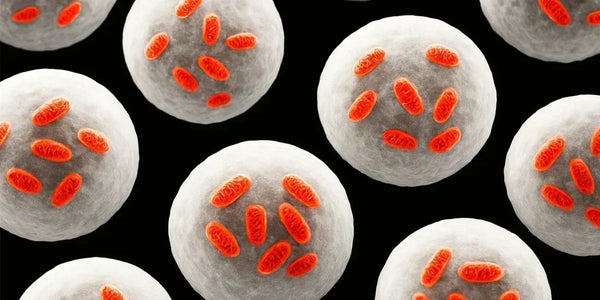
- support for cellular energy (ATP)
- relief from tension, pressure, or congested sinuses
In addition, many users experience relief from symptoms such as a stuffy nose, low energy, or a general feeling of malaise.
In short: not proven as a medicine, but promising as a supportive therapy during a cold.
View all red light therapy panels
What is red light therapy and how does it work?
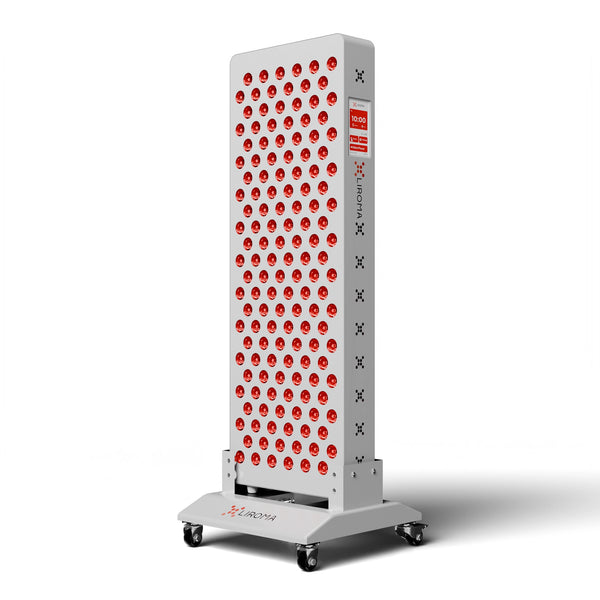
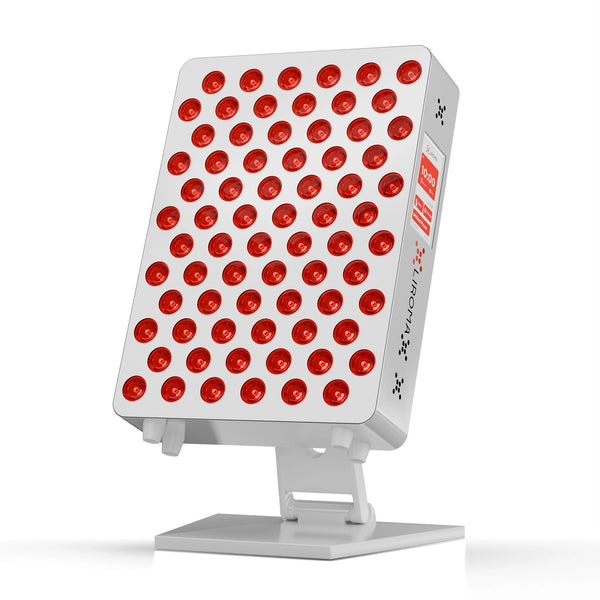
Red Light Therapy uses specific red light wavelengths and Infrared light that support the body in a natural way. Red light essentially gives your cells an energy boost, while infrared penetrates deeper into muscles and tissues, providing a pleasant, relaxing warmth.
This combination makes Red Light Therapy interesting for recovery, relaxation, skin improvement, and even symptoms related to colds. It works by activating cells responsible for energy production and recovery processes through light waves.
Recommended reading: Infrared and red light: How lamps and light work

What are the possible benefits when you are ill?
Although Red Light Therapy does not cure or prevent a cold, there are several potential benefits that may be relevant when you are ill:
- Relief from a blocked nose and sinus pressure: Heat and improved blood flow may help loosen mucus and reduce pressure in the sinuses.
- Less sore throat or urge to cough: Through relaxation of the surrounding tissues and increased circulation.
- Support for recovery processes: Increased ATP production enables recovery cells to function more efficiently.
- Reduced inflammation: Relevant for colds, rhinitis, allergy symptoms, and irritated airways.
- More energy during recovery: Many users report feeling less exhausted.
- Positive effect on sleep: Red light in the evening may increase melatonin, helping you sleep better, which is crucial for your immune system.
Although these are benefits that many people notice or that have emerged from research, it remains important to emphasize: this is supportive, not a replacement for medical treatment.
Research & theories: what do we know and what don’t we know?
More and more research is being conducted into how Red Light Therapy works. This is providing interesting insights, but also important nuances. This is what science currently indicates, and what is not yet clear.
What we do not know (no evidence yet)
- Red Light Therapy does not cure a cold.
- It has not been proven to shorten the duration of a cold.
- It does not kill viruses in the body.
What we do know (indirect but relevant research findings)
- Improved airway inflammation & rhinitis: RLT studies show a reduction in inflammation and symptoms of allergic rhinitis. Source
- Reduced oxidative stress & inflammation: Research shows that Red Light Therapy reduces oxidative stress and may inhibit inflammation. Source
- Support for mitochondria, more ATP: More energy = faster cellular repair processes. Source
- Improvement of the lymphatic system: Important for waste removal and immune response. Source
- Positive effects on respiratory problems in broader studies: Research on COPD, asthma, and viral respiratory infections shows reductions in inflammation and symptoms, although this research is still in its early stages.
Is red light therapy safe?
Yes, light therapy is safe when used according to the guidelines. Red light does not produce harmful UV radiation and does not feel hot. When using panels, wear protective glasses and observe the recommended distances and durations.

How can I use light therapy? Practical tips
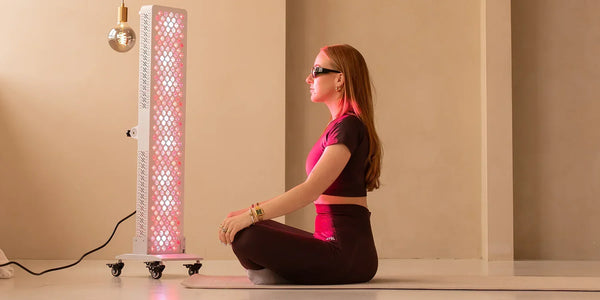
- Duration: On average, use the panels for 10 to 20 minutes per area. For full-body lamps, this can increase to 15 to 30 minutes.
- Frequency: For the best results, use it 3 to 5 times per week. Daily use is also fine if your body responds well to it.
- Distance: The ideal distance is usually between 30 and 50 cm from the panel. The closer you are, the more intense the effect. Always follow the recommendations for the specific product.
Conclusion
Red Light Therapy is not a miracle cure for colds, but it may provide relief through effects such as improved circulation, reduced inflammation, and support for cellular energy.
It is safe and easy to use at home and can be a valuable addition to your recovery, as long as you view it as support rather than a replacement for medical care.
Want to try it yourself? View Liroma's red light panels. You have 60 days to test at home whether they suit you.
View the panels