Red Light Therapy for scars: what does it do?
A scar from years ago that still stands out vividly after a hot shower. Red light at approximately 630 to 660 nm and near-infrared around 830 nm penetrates the skin and supports recovery there. This involves increased cellular energy, collagen and elastin production, improved circulation, and reduced inflammation. As a result, scars may become more supple, flatter, and less red, although it is not a miracle cure and improvement takes time. In practice, keep the panel 30 to 50 cm away, use it for 10 to 20 minutes per session, 3 to 5 times per week, and only begin once the wound is fully closed. Below, you will read about the different types of scars, what the research shows, and how to use a lamp at home.
Scars can make your skin look uneven and sometimes even affect your self-confidence. That is why more and more people are turning to red light therapy as a gentle, natural way to soften scars.

60-day home trialFree shipping7 years of experience in light therapy
Please note: this information is based on scientific sources, customer experiences and our own knowledge of light therapy. It is not medical advice. If you take medication, have a medical condition or are unsure, talk to your doctor or a specialist first.
What are scars?
Scars develop when the skin repairs itself after a wound. During this process, your body produces new connective tissue, but it often looks different from the original skin. As a result, scars may be thicker, redder, darker, or recessed.
What are scars?
- Atrophic scars: often caused by acne; pits or depressions in the skin.
- Hypertrophic scars: raised, red scars that remain within the edges of the wound.
- Keloids: scars that grow beyond the original wound.
- Surgical scars: straight, often red or hardened lines.
- Burn scars: may be tight, thick, or discolored.
How does Red Light Therapy work for scars?
Red Light Therapy uses wavelengths around 630–660 nm (and often near-infrared around 830 nm) to penetrate deep into the skin. There, it stimulates precisely the processes that are important for scar recovery:
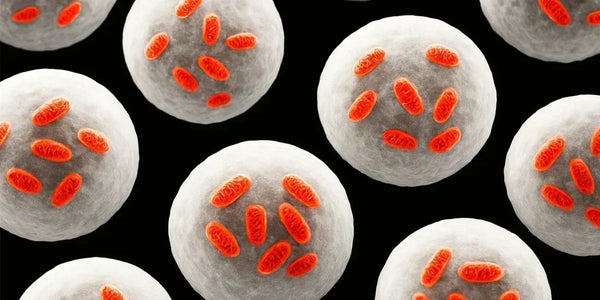
- More cellular energy (ATP): The mitochondria receive a boost, allowing cells to recover faster and new tissue to be built more effectively.
- Stimulation of collagen and elastin: This helps make scars more supple, flatter, and less visible.
- Improved circulation: More oxygen and nutrients reach the damaged area, which accelerates recovery.
- Reduced inflammation: Red light calms redness and swelling, making scars less noticeable.
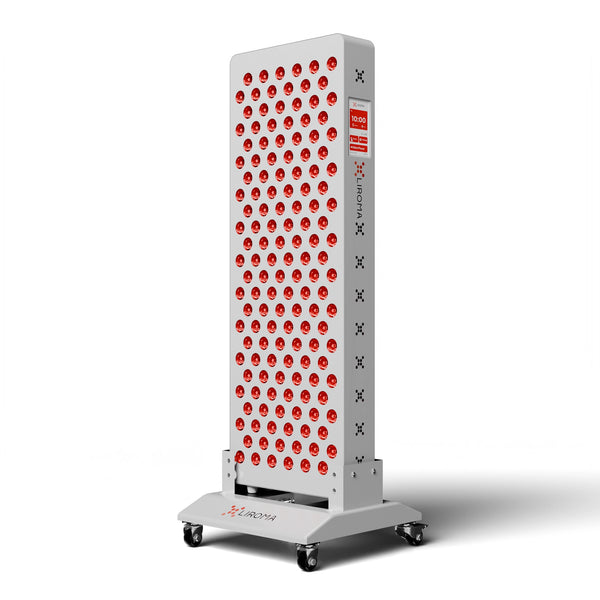
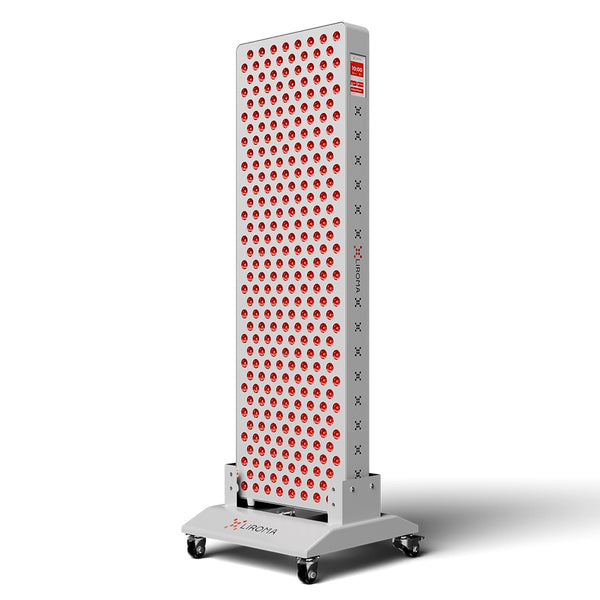
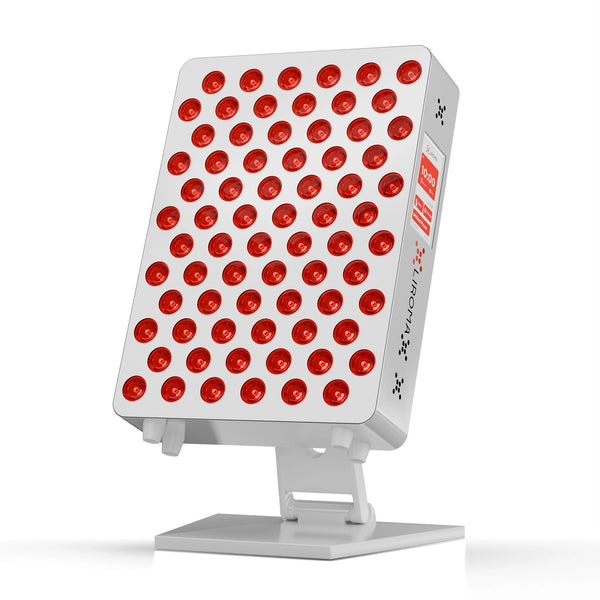
View all red light therapy panels

What does the research tell us?
Extensive research is being conducted into how red light helps the skin recover. These are the main findings so far.
Faster wound healing
Photobiomodulation research shows that red and near-infrared light increases cellular activity, stimulates fibroblasts, and helps form better-organized collagen, which is essential for more supple scars.
(NCBI: PMC8919713, PMC4126803, PMC8240139
Reduced inflammation
Studies show that red light can inhibit pro-inflammatory processes, reducing redness and swelling around scars.
(NCBI: PMC4387504)
Improved circulation
Studies show that red light can inhibit pro-inflammatory processes, reducing redness and swelling around scars.
(NCBI: PMC5988166)
Support for collagen production
Reviews describe how red light helps form stronger, more flexible collagen, making scars less stiff and visible.
(NCBI: PMC5523874, PMC4148276)

How do you use red light lamps?
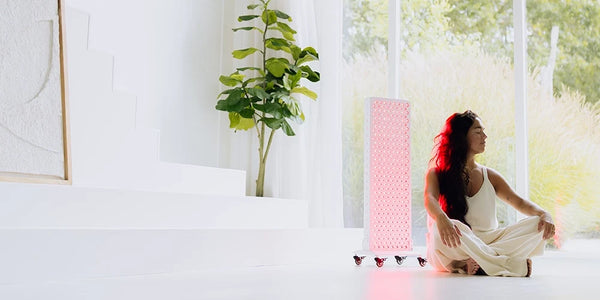
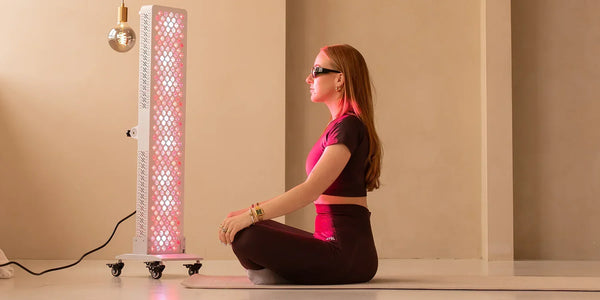
- Distance: keep the panel 30–50 cm from your skin.
- Duration: 10–20 minutes per session.
- Frequency: 3–5 times per week for optimal results.
- Eye protection: always wear protective glasses, especially with powerful panels.
- Fresh scars: wait until the wound is fully closed before starting.
- Patience: scars improve gradually, so consistency is important.
Conclusion
Light therapy is a gentle, non-invasive way to soften scars and support the skin's natural recovery. The science shows promising results, especially in the areas of wound healing, collagen production, and reducing inflammation.
The panels are not a miracle cure, but they are an effective addition to a smart skincare routine, especially if you are looking for a safe and natural way to make scars less visible.
Want to try it yourself? See what Liroma has for your skin. You have 60 days to test at home whether it suits you.
View for the skin