Red Light Therapy for Horses: How It Works, Benefits, and Use
After a hard training session, your horse remains stiff and struggles to get moving. Red and near-infrared light penetrates the skin and stimulates the mitochondria in the cells to produce more energy, allowing the body to recover faster on its own. In horses, it is used to support muscle tension, joint problems, tendon and ligament injuries, and wound healing. In practice, hold the lamp 5 to 25 cm away and treat each area for 10 to 20 minutes, daily for an acute complaint and 3 to 5 times per week for maintenance. Below, you will read how it works, what the research shows, and what to look out for.
Your horse trains hard, is recovering from an injury, or suffers from stiff joints after a busy competition period. In that case, you want the best for your horse. Red light therapy is a way to support your horse's recovery, without medication, without stress, and right from the stable. In this article, you will learn how it works, what it can do for your horse, and how to use it.
Please note! This information is based on available scientific sources and general knowledge about light therapy. It is not veterinary or medical advice. Always consult a veterinarian if your horse has health problems.
60-day home trialFree shipping7 years of experience in light therapy
Please note: this information is based on scientific sources, customer experiences and our own knowledge of light therapy. It is not medical advice. If you take medication, have a medical condition or are unsure, talk to your doctor or a specialist first.
What is red light therapy for horses?
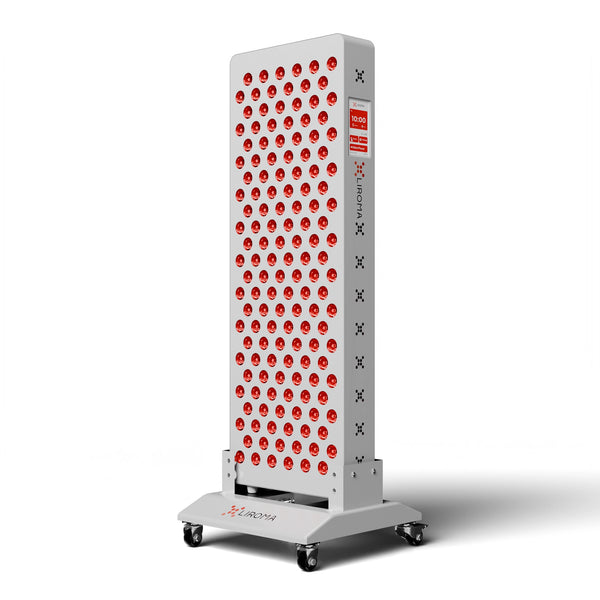
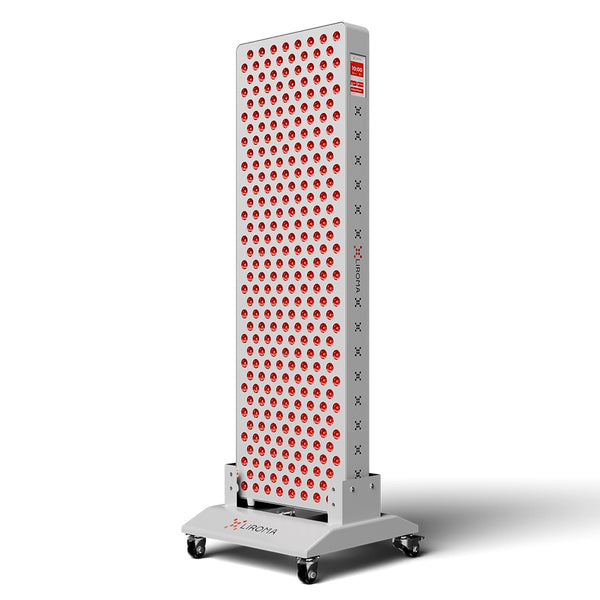
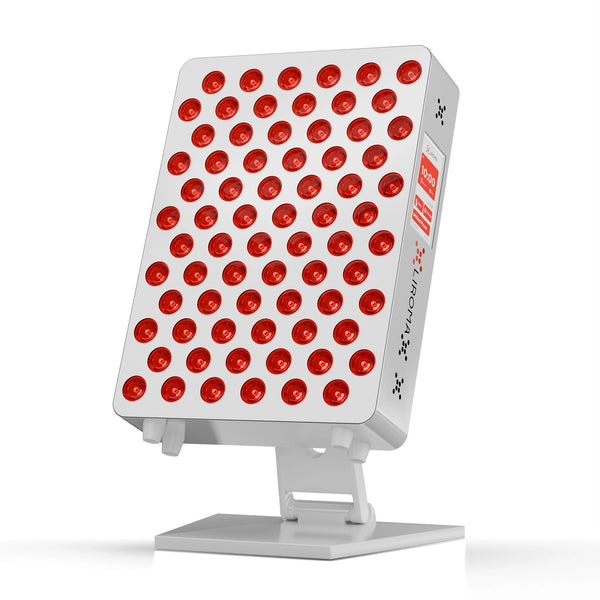
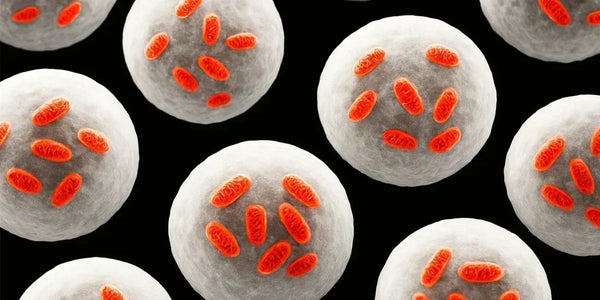
Red Light Therapy uses a lamp that emits specially selected red and near-infrared light. This light penetrates your horse's skin and activates the cells from within. It stimulates the mitochondria, the small energy factories in every cell, to produce more energy. With this extra energy, the body can recover faster on its own.

It may sound technical, but the core idea is simple: more cellular energy = faster recovery. The principle works in horses just as it does in humans. To date, there are more than 3,000 scientific publications on this subject, some of them specifically focused on animals.
A red light lamp is not a heat lamp. A heat lamp relaxes muscles through heat, but the effect disappears as soon as the lamp is turned off. Red light works at the cellular level, and the effect builds with regular use.
How does it work at the cellular level?
The light emitted by a red light therapy lamp falls within two wavelength ranges. Red light (630-700 nm) works on the skin and the tissue just beneath it. Near-infrared light (700-1.100 nm, invisible to the human eye) penetrates deeper and reaches muscles, tendons, and joints. In horses, with their thicker skin and greater muscle mass, those deeper wavelengths are particularly relevant.
Once inside the cell, the light is absorbed by an enzyme in the mitochondria: cytochrome c oxidase. That sounds complicated, but it works like a key in a lock. The enzyme activates the cell's energy production, resulting in more ATP (adenosine triphosphate, the fuel of every cell) being produced. With more fuel, the cell can recover faster, reduce inflammation, and produce new tissue. More about this mechanism.

Proven benefits for horses
Faster recovery after training
After strenuous training or competition, waste products such as lactic acid build up in the muscles. This causes tension and stiffness. Red light improves blood circulation, allowing these waste products to be removed more quickly and helping the muscles relax.
A study by Haussler et al. (2020) published in the Journal of Equine Veterinary Science examined light therapy for back pain and muscle tension in 61 actively competing Quarter Horses and found a significant reduction in back pain, muscle hypertonicity, and trunk stiffness after treatment. Useful for sport horses that need to return to work quickly.
Less pain with joint problems and osteoarthritis
Osteoarthritis is wear and tear of the joint and a common problem in older and intensively used horses. Near-infrared light penetrates into the joint itself and can help the cells there function better.
Many owners and veterinarians use light therapy as a complementary treatment for joint problems, because it is painless and can be combined well with other treatments. It does not replace veterinary treatment, but it can be a valuable addition to it.

Support for tendon and ligament injuries
Tendon injuries are notorious in equestrian sports: they heal slowly and recur easily. Light therapy stimulates collagen production, the protein that tendons and ligaments are made of, and promotes cell renewal in connective tissue. This results in stronger and more flexible healing tissue, reducing the risk of the injury recurring.
Research into laser therapy in horses has shown promising results: a study by Pluim et al. (2018) followed 150 sport horses with tendon and ligament injuries and reported significant improvement in lameness, a low reinjury rate, and rapid progression of the rehabilitation program. This concerns high-power laser therapy, but the underlying principle of light-based cell activation is comparable to that of Red Light Therapy.
Improved wound healing
Red light stimulates the production of new tissue and improves blood circulation around a wound. This is particularly relevant for horses because they are prone to "proud flesh" (overgrowth of granulation tissue) in wounds on the lower legs.
Scientific research has so far shown mixed results: a study by Michanek et al. (2021) in the Equine Veterinary Journal found no clinically relevant effect on wound healing in horses. In practice, light therapy is used as a supportive supplement alongside regular wound care. Always consult your veterinarian about this.
Calmer and more relaxed
Many owners notice that their horse is calmer and more supple after a treatment. This is probably related to reduced pain and muscle tension. This can make a big difference, especially for horses that become stressed easily during transport, competitions, or in new environments.

Which conditions can you use it for?
Red Light Therapy can be used for a wide range of purposes, both as a supplement for a specific condition and preventively to help prevent injuries:
- Muscle soreness and tension after training or competition
- Joint problems such as osteoarthritis, stiffness, or inflammation
- Tendon and ligament injuries to support the recovery process
- Wound healing after cuts, abrasions, or surgery
- Hoof problems such as laminitis or abscesses (improved blood circulation in the hoof)
- Skin problems such as eczema, fungal infections, or allergic reactions
- Preventively as a regular part of the training and recovery routine
Red light lamp or Infrared lamp?
You see both of them in the stable: a heat lamp and a Red Light Therapy lamp. They may look similar, but they work very differently. Here's an overview of the differences.
| Red Light Therapy | Infrared lamp | |
|---|---|---|
| How it works | Stimulates cells through light (photobiomodulation) | Warms tissue through heat radiation |
| Depth | Up to several centimeters (muscles, tendons, joints) | Superficial |
| Effect after use | Builds up over time | Disappears once the heat is gone |
| Purpose | Cellular recovery, inflammation reduction, improved circulation | Temporary relaxation |
| Heat | Minimal, comfortable | High, can become uncomfortable |
The two are not mutually exclusive. A heat lamp is useful for immediate relaxation before or after a treatment. Red Light Therapy works on the recovery itself, from within.

How do you use it in practice?
Start with a clean coat
Make sure the area you want to treat is clean and dry. Dirt or a wet coat blocks the light. Let your horse gradually get used to the device's sound and light during the first few sessions.
How far and for how long?
Generally keep the lamp 5 to 25 cm from the area being treated. A session lasts an average of 10 to 20 minutes per zone. For an acute injury, use it daily; for regular maintenance, 3 to 5 times per week is sufficient. Always check your device's manual for the exact guidelines.
Where do you treat most?
- Back and loins
- Shoulders and hindquarters
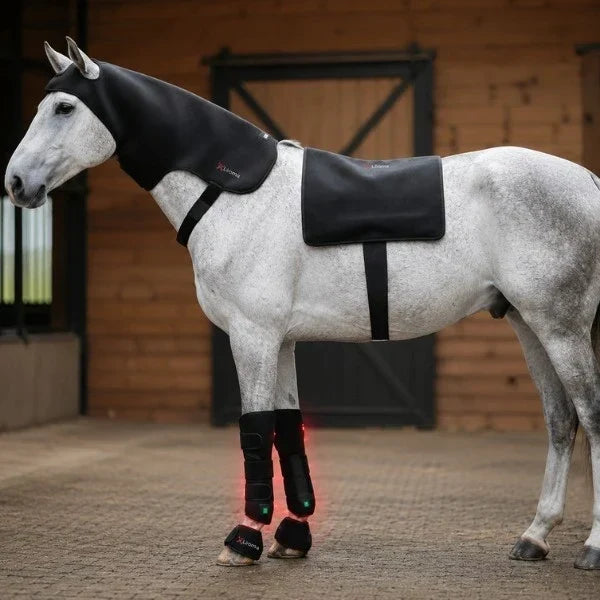
- Tendons and joints of the lower legs
- Each specific problem area based on the complaint
What should you pay attention to?
- Eyes: never point the lamp directly at the eyes; keep the lamp away from the face or cover the eyes
- Open wounds: only treat after consulting a veterinarian
- Fever or infection: wait until the fever has gone and the infection has been treated
- Tumor tissue: do not treat on or immediately next to a tumor
- Young foals: be careful around the growth plates of a still-growing horse
Not sure? Consult your veterinarian first, especially if there is a serious complaint.

Sport horse, recreational horse, or rehabilitation?
Sport horses
Show jumpers, dressage horses, and eventers are subjected to intense demands. Many trainers incorporate light therapy into their weekly routine: before training to warm up the muscles and afterward to speed up recovery. The more often the horse trains, the more it benefits from regular treatment.
Recreational and older horses
Not every horse competes, but recreational horses can also benefit from light therapy. This is especially true for older horses, which are more likely to experience stiffness, osteoarthritis or joint problems; it can noticeably improve their quality of life. Without major interventions, simply from the stable.
Horses in rehabilitation
Is your horse recovering from an injury or surgery? Light therapy can support the recovery process: it promotes tissue repair, maintains blood flow and reduces swelling. Always plan this in consultation with your veterinarian or a specialized equine physiotherapist.
Frequently asked questions
Want to try it yourself? Explore Liroma's range. You have 60 days to test it at home and see if it's right for you.
View all products