Red Light Therapy for Earache: Application, How It Works, and Tips
An aching ear that mainly flares up in the evening, and chewing does not make it better. Red Light Therapy can provide relief from ear pain: it may help improve blood circulation, reduce inflammation, and stimulate tissue recovery. For ear pain, a combination of red light (around 660 nm) and near-infrared light (around 850 nm) is usually used, at a distance of 30 to 50 cm, for 10 to 20 minutes per session and 3 to 5 times per week. Do not shine the light directly into the ear, but on the skin around the ear, jaw, or neck, and always consult a doctor first in case of severe or persistent symptoms. Below, you will read what can cause ear pain, when to see your family doctor, and how to apply the therapy step by step.
Do you have a throbbing, nagging, or pulsating feeling in your ear? Then you know how unpleasant it can be. Fortunately, there is a natural way to soothe the pain: Red Light Therapy. In this blog, you will read how it works and why your ears may benefit from it.

60-day home trialFree shipping7 years of experience in light therapy
Please note: this information is based on scientific sources, customer experiences and our own knowledge of light therapy. It is not medical advice. If you take medication, have a medical condition or are unsure, talk to your doctor or a specialist first.
Suffering from ear pain? Possible causes
Ear pain (also called otalgia) can have various causes. Below is an overview of the most common ones:
1. Infections
- An ear infection (otitis media) is an inflammation of the middle ear, often in children.
- An ear canal infection (otitis externa) is also called “swimmer’s ear” and is an inflammation of the external ear canal.
- Bacterial or viral infections, such as the flu, a cold, or a sore throat, can radiate to the ear.
2. Respiratory problems
- A cold or sinusitis can lead to a blocked Eustachian tube, causing pressure in the ear.
- Allergies can lead to swelling and fluid buildup around the ear.
3. Pressure changes
- Flying or changes in altitude can cause ear pain due to sudden changes in air pressure.
- Diving can cause barotrauma due to pressure differences underwater.
4. Mechanical causes
- A buildup of earwax can block the ear and cause pain or hearing loss.
- Using cotton swabs can irritate or damage the ear canal.
- A foreign object in the ear occurs mainly in children.
5. Facial and jaw problems
- Temporomandibular joint problems (TMJ) can cause pain that radiates to the ear.
- Teeth grinding causes overloading of the jaw muscles, which can lead to earache.
- Dental problems, such as inflamed molars or wisdom teeth, can also be the cause.
6. Neurological causes
- Nerve pain (neuralgia), such as trigeminal neuralgia, can cause sharp shooting pains near the ear.
- Shingles (herpes zoster oticus) is a viral infection that affects the ear and facial nerves.
7. Other causes
- Trauma to the ear, such as a blow to the ear or head, can cause pain.
- Tumors or cysts are rare, but they can cause pressure or pain in the ear.
- Referred pain is pain that originates elsewhere in the body, such as in the throat or neck, but is felt in the ear.

When to see your doctor?
Although earache often goes away on its own, it is important to watch for signs that require medical attention. Contact your doctor if the pain does not improve after a few days or gets worse, if you have a fever, fluid or pus comes from the ear, or if your hearing is temporarily reduced.
Even in cases of sudden, severe earache, dizziness, or pain combined with a throat or jaw infection, it is wise to seek medical help. For young children or babies with earache, it is always advisable to consult a doctor promptly.
Can light therapy help with earache?
Light therapy is increasingly used as natural support for pain complaints, including earache. In particular, red light therapy can help improve blood circulation, reduce inflammation, and stimulate tissue recovery.
For earache, this therapy can provide relief. It is a gentle, painless method that combines well with other forms of treatment. However, it is important to always consult a doctor first in case of severe or persistent symptoms.

What is light therapy?
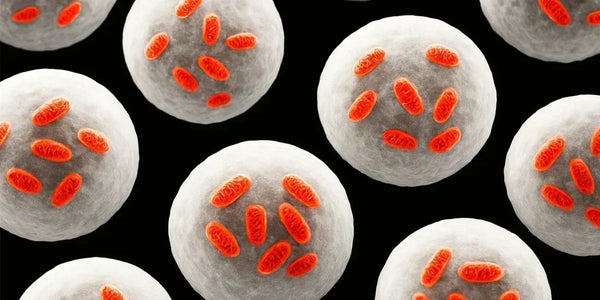
Sure, you want to know more about light therapy before you start using it. That’s understandable, because it’s important to know what your body is undergoing. Red Light Therapy falls under what is known as photobiomodulation, in which light influences cells without damaging the tissue.
Light therapy is a treatment method in which specific wavelengths of light are directed at the body to support natural healing processes. Depending on the type of light, different effects can be achieved, such as reducing inflammation, stimulating cell growth, or improving mood.
Difference between red light and infrared?
Red light and infrared light are close to each other in the light spectrum, but they penetrate the skin differently.
- Red light (usually 620–660 nanometers) primarily affects the upper layers of the skin and is widely used for skin recovery, wound healing, and inflammation close to the surface.
- Infrared light (usually 800–1000 nanometers) penetrates deeper into the tissue, reaching muscles and joints, and is therefore better suited for deeper pain or tension, such as pain in joints and muscles.
Which therapy should you use for ear pain?
For ear pain, a combination of red light and near-infrared light is generally recommended. Red light may help with superficial irritation or inflammation of the ear canal, while infrared light penetrates deeper and may reach, for example, the temporomandibular joint, the Eustachian tube, or tense muscles around the ear.
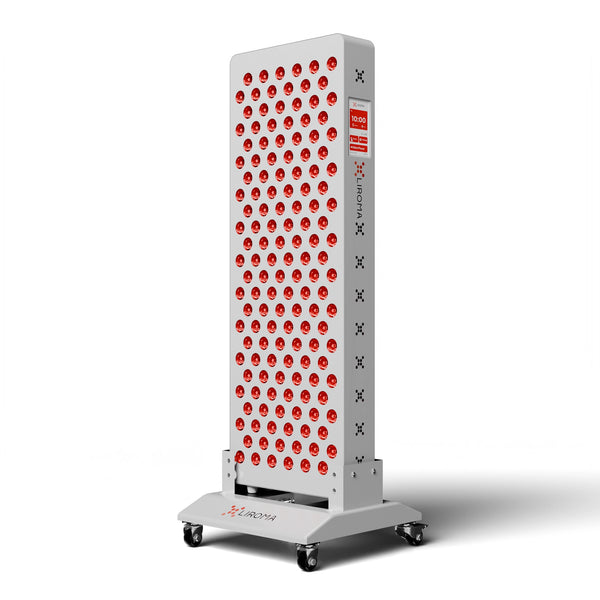
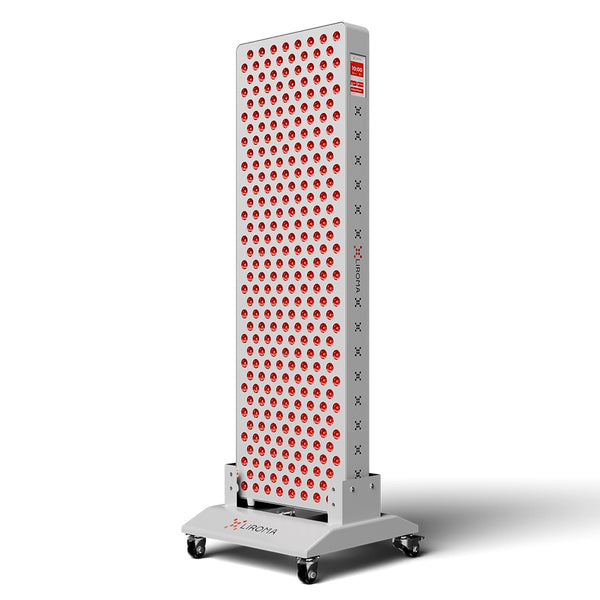
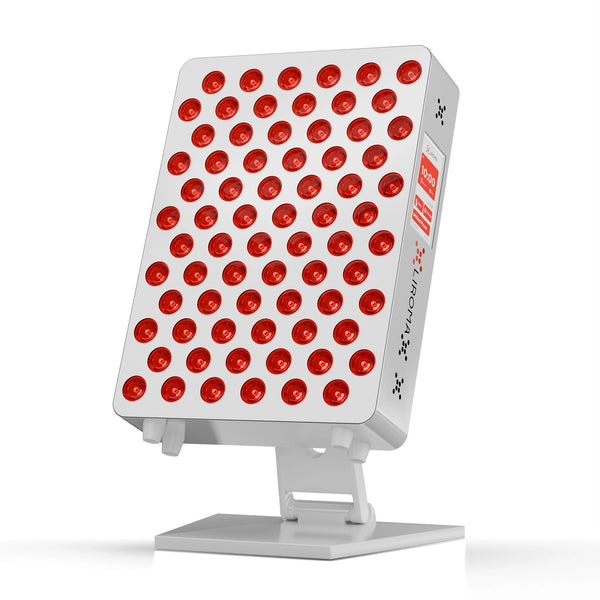
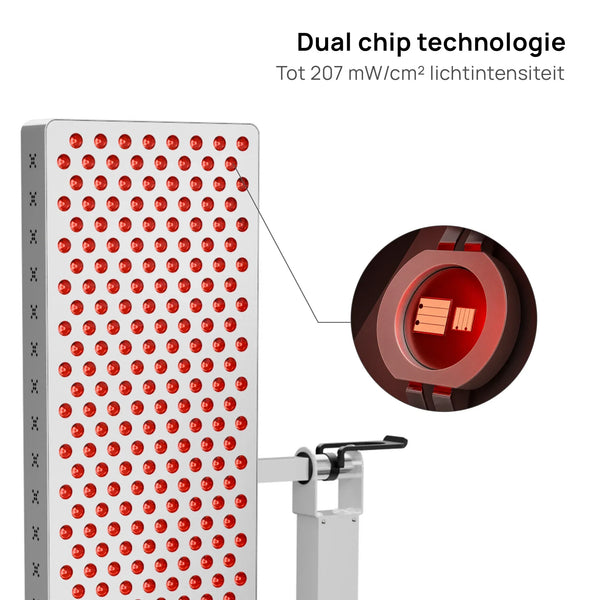
An LED lamp or light panel with a wavelength of around 660 nm (red) and 850 nm (infrared).

Applying light therapy? Instructions for use
Light therapy is easy to apply, but it is important to follow a number of guidelines for a safe and effective treatment.
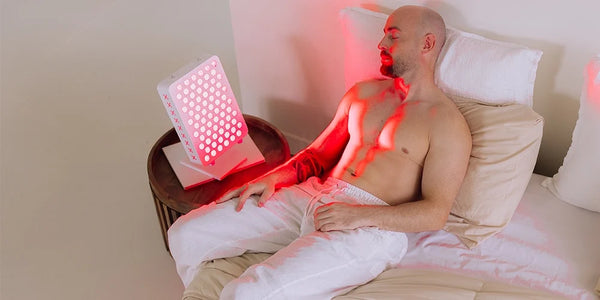
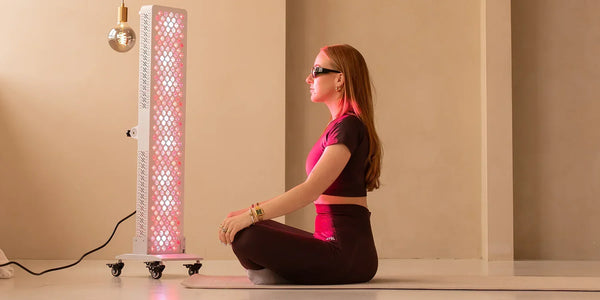
- Distance: During the session, maintain a distance of approximately 30 to 50 cm between the light device and the skin. Do not shine the light directly into the ear, but onto the skin around the ear, jaw, or neck.
- Session duration: A session lasts an average of 10 to 20 minutes each time, depending on the intensity of the device.
- Frequency: For the best results, it is recommended to apply the therapy 3 to 5 times per week, preferably at set times.
Other things to keep in mind
During the treatment, you will often feel a pleasant warmth, but it should never be hot or painful If necessary, wear eye protection, especially when the light is used close to the face.
Make sure your hair is dry and avoid drafts or cold air currents during and after the session, as this could interfere with the effect or worsen symptoms.

Preventing earache: 5 tips!
A little attention prevents a lot of discomfort. With a few simple habits, you can keep your ears healthy and prevent unpleasant symptoms. Here are 5 tips:
1. Keep your ears dry
Moisture in the ear canal, for example after swimming or showering, can cause irritation or inflammation. Dry your ears gently and consider using earplugs when swimming.
2. Do not use cotton swabs
Cotton swabs often push earwax deeper into the ear, which can cause blockage or damage. Let the ear clean itself or use a special ear cleaner if necessary.
3. Protect your ears from cold and wind
Drafts and cold air can cause earache, especially in sensitive ears. Wear a hat or earmuffs in cold or windy weather.
4. Support your immune system
A strong immune system helps prevent colds, sinus infections and ear infections. Make sure you get enough sleep, eat healthily and exercise regularly.
5. Be careful with pressure differences
During flights or diving, you may experience earache due to changes in pressure. Try swallowing, yawning or chewing gum to clear your ears. You can also use special earplugs.
Conclusion
Red light can provide valuable support for certain types of earache, especially with early symptoms or when the cause is muscle tension. The warmth has a relaxing effect and promotes circulation. However, it is always important to seek medical advice in cases of severe or unexplained pain.
Want to try it yourself? View Liroma's red light panels. You have 60 days to test at home whether it suits you.
View the panels