Light Therapy & Pigmentation Spots: Does Red Light Really Work?
The brown spots on the backs of your hands have become a little more noticeable every year. Red Light Therapy with wavelengths from 600 to 700 nm can soften pigmentation: it calms inflammation, may inhibit melanin production, and stimulates collagen. It works particularly well for superficial pigmentation such as acne marks and sun damage, while deeper pigmentation such as melasma responds less predictably. Common guidelines are 10 to 20 minutes per session at a distance of 30 to 50 cm, 3 to 5 times per week, with results appearing gradually. Below, you’ll read what pigmentation spots are, what the research shows, and how to use red light at home.
Pigmentation spots can be quite frustrating. Whether they are caused by the sun, acne, or hormones, they always seem to appear in just the wrong place. That’s why more and more people are turning to red light therapy as a gentle, natural way to even out their skin. But does it really work?

60-day home trialFree shipping7 years of experience in light therapy
Please note: this information is based on scientific sources, customer experiences and our own knowledge of light therapy. It is not medical advice. If you take medication, have a medical condition or are unsure, talk to your doctor or a specialist first.
What are pigmentation spots?
Pigmentation spots develop when your skin produces more melanin than usual in certain areas. Melanin is the pigment that gives your skin, hair, and eyes their color. An excess of it causes dark spots, ranging from small freckles to larger areas of discoloration.
Different types
- Sun damage (solar lentigines): the familiar “age spots,” caused by years of UV exposure.
- Post-inflammatory hyperpigmentation (PIH): dark spots after acne, wounds, or irritation.
- Melasma: hormonal pigmentation, often deeper in the skin and more difficult to treat.
- Freckles: genetically determined, often lighter and dependent on the season.
How does red light therapy work for pigmentation spots?
Red Light Therapy uses wavelengths between 600–700 nm. These penetrate deeper into the skin than visible light and stimulate cellular processes. What exactly happens?
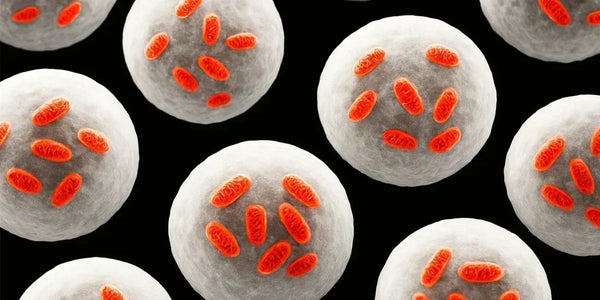
- Boost in cellular energy: The mitochondria (the “power plants” of your cells) receive a boost, helping skin cells recover and renew more quickly.
- Reduced inflammation: Many pigmentation spots develop as a result of inflammation. Red light calms the skin, which may help PIH fade more quickly.
- Suppression of excessive melanin production: Research shows that red light may inhibit the activity of tyrosinase, the enzyme responsible for producing melanin. This slows the formation of new dark spots.
- Improved skin structure: Red light stimulates collagen, making the skin more even and firmer. This indirectly helps reduce the visibility of spots.
Important to know: red light works particularly well for superficial pigmentation such as acne marks and sun damage. Deeper pigmentation, such as melasma, responds less predictably.
View all red light therapy panels

What does the science say?
There is increasing research into red light therapy, but the evidence is not yet conclusive. What do we know so far? Several studies published by NCBI indicate that red light:
- Increases cellular energy and stimulates skin repair: Photobiomodulation research shows that red light activates the mitochondria, leading to faster cell renewal (NCBI: PMC5988166, PMC4387504).
- May reduce inflammation, an important factor in pigmentation spots. Clinical reviews show that red light may calm inflammatory processes in the skin (NCBI: PMC3423866).
- May influence tyrosinase activity, the enzyme that produces melanin. Research into light therapy and pigment regulation describes how red light may help inhibit excessive melanin production (NCBI: PMC11202801).
- Supports skin structure and collagen: A frequently cited study shows improvements in skin texture and firmness after red light therapy (PubMed: 28748217).

Tips for using it at home
Red light panels work best when you use them correctly and regularly. Although settings vary by device, these are safe, commonly used guidelines:
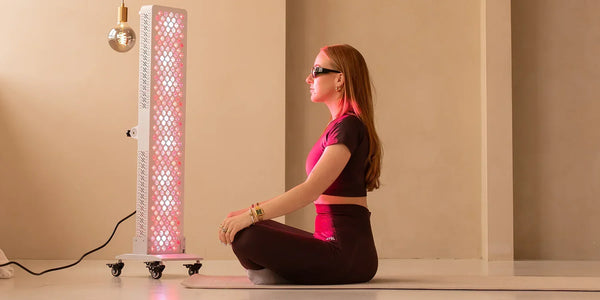
- Distance: keep the panel approximately 30–50 cm from your skin.
- Duration: use it for 10–20 minutes per session.
- Frequency: 3–5 times per week is ideal for most people.
- Eye protection: always wear protective glasses, especially when using powerful panels.
- Skin preparation: cleanse your skin beforehand and do not use SPF or active ingredients under the light.
- Consistency is key: results appear gradually, so sticking with it is important.
Conclusion
Red light therapy is a gentle, non-invasive way to reduce pigmentation spots. Superficial spots such as acne marks and sun damage respond particularly well. The science is still developing, but current research is positive and shows that red light may help the skin recover, even out, and strengthen.
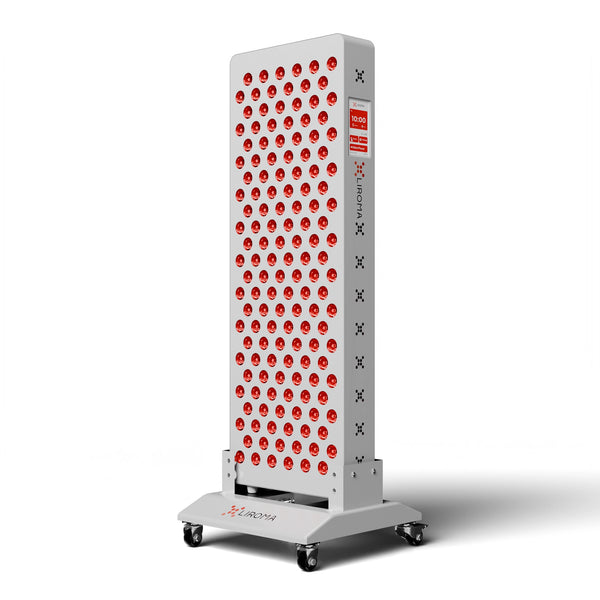
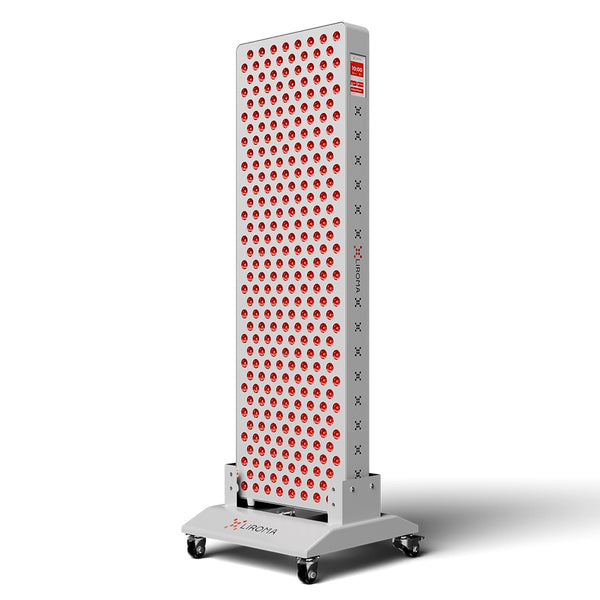
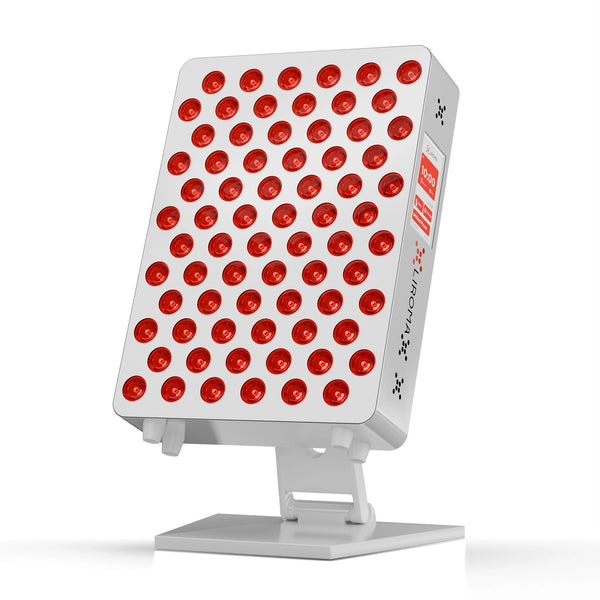
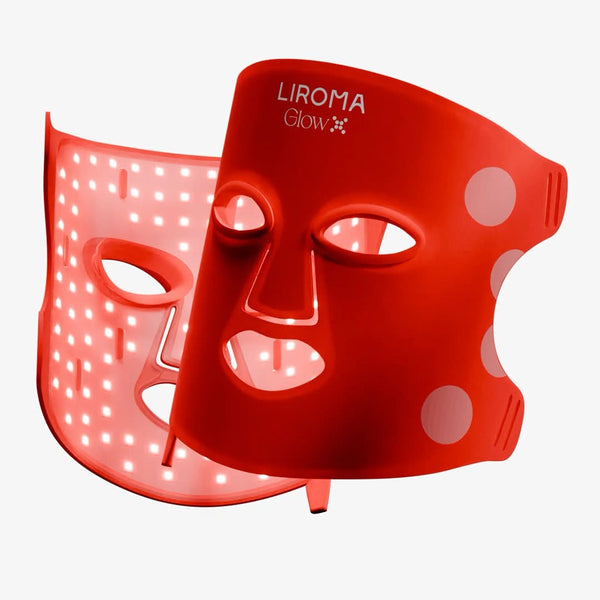
Want to try it yourself? Explore Liroma’s red light devices for the skin. You have 60 days to test at home whether it’s right for you.
View for the skin