Red Light Therapy after surgery: support for recovery
The stitches are out, but you still take care when bending and lifting. Red and near-infrared light is used after surgery as a supplement to regular aftercare. Research describes that it may support natural recovery processes, circulation, inflammatory responses, and skin comfort during scar formation. Always consult your doctor first and use it only on closed skin, not on fresh or bleeding wounds. Common guidelines are 10 to 20 minutes per session at a distance of 30 to 50 cm, several times per week. Below, you can read about what happens in your body after surgery, what studies show, and who it is and is not suitable for.
After surgery, your body enters an intensive phase of recovery. Swelling, sensitivity, and changes in the skin are common postoperative reactions. More and more people are using light therapy as supplementary support during rehabilitation and aftercare, but what does research say about its role in postoperative recovery?

60-day home trialFree shipping7 years of experience in light therapy
Please note: this information is based on scientific sources, customer experiences and our own knowledge of light therapy. It is not medical advice. If you take medication, have a medical condition or are unsure, talk to your doctor or a specialist first.
What happens in the body after surgery?
A surgical procedure, whether minor or major, sets the body to work. During the postoperative phase, various processes take place:
Immediately after the procedure
- Swelling, redness, and sensitivity are normal reactions.
- The immune system becomes active to protect the area.
- Circulation temporarily changes due to the procedure.
Early recovery phase (weeks)
- Tissues begin to recover.
- Collagen production gets underway.
- Swelling gradually decreases.
- The area may feel tight or sensitive.
Long-term recovery (weeks to months)
- Scars continue to develop.
- The skin structure changes slowly.
- Improving mobility and function during rehabilitation.
Factors such as aftercare, general health, type of procedure, and hospital instructions play a major role in this.

How can Red Light Therapy provide support?
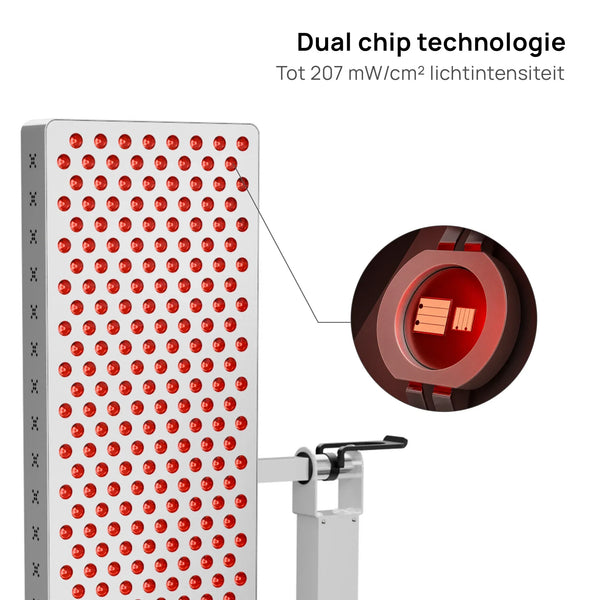
Red Light Therapy is often used as supplementary support during postoperative recovery. Research describes that red and near-infrared light may play a role in:
- support for natural recovery processes
- promoting circulation and oxygen transport
- modulation of inflammatory responses
- tissue relaxation
- support for the skin during scar formation
- comfort during rehabilitation
It is a non-invasive method that can easily be used at home as a supplement to regular aftercare.
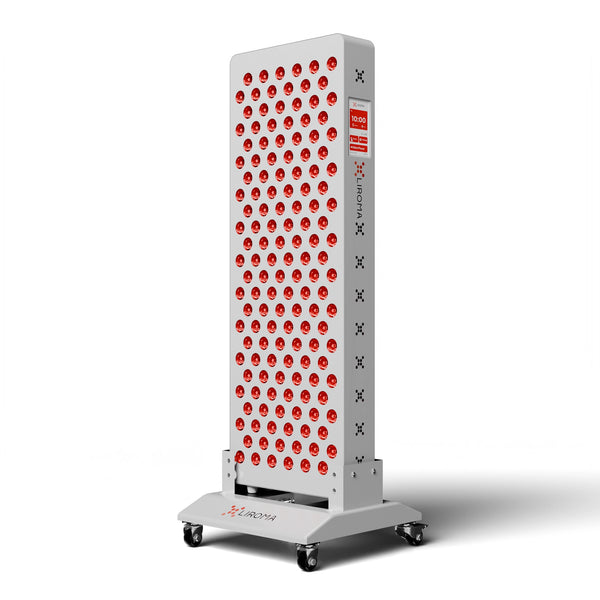
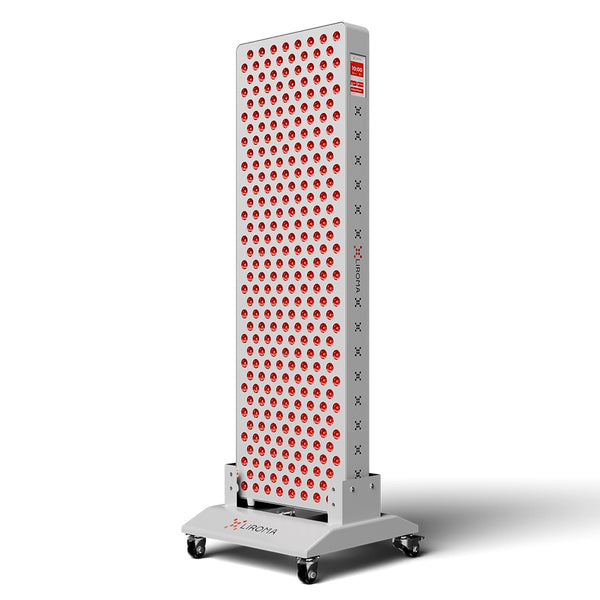
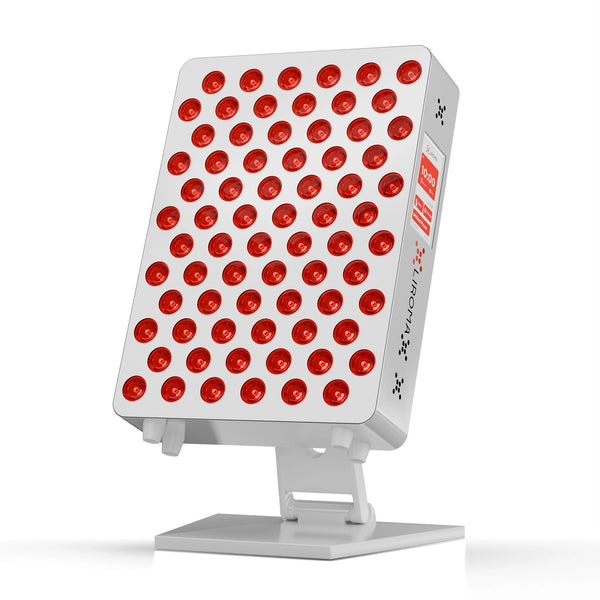
View all Red Light Therapy panels

What do studies show?
Research into Red Light Therapy in a postoperative context is extensive. Results vary by study, but there are interesting findings:
Comfort during recovery
Research describes that red and near-infrared light may support biological processes that contribute to tissue comfort during recovery.
Source: https://pmc.ncbi.nlm.nih.gov/articles/PMC8919713/
Orthopedic procedures
Studies on low-level light therapy in an orthopedic context describe that light therapy may play a role in mobility and comfort during the first weeks after a procedure.
Source: https://pmc.ncbi.nlm.nih.gov/articles/PMC8240139/
Scar formation
Research suggests that light therapy may affect collagen-related processes in the skin, which is relevant to scar formation.
Source: https://www.ncbi.nlm.nih.gov/pmc/articles/PMC4126803/
Nervous system / nerve recovery
Some studies describe that light therapy may play a role in supporting nerve function during rehabilitation.
Source: https://pmc.ncbi.nlm.nih.gov/articles/PMC8919713/

How to use red light panels after surgery?
Red light lamps can complement postoperative aftercare when used safely.
General guidelines
- Always consult your doctor before using red light after surgery.
- Use it only on closed skin unless a doctor advises otherwise.
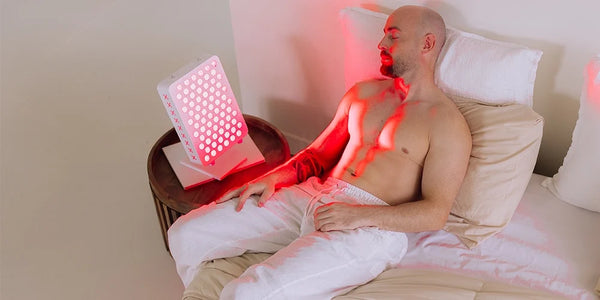
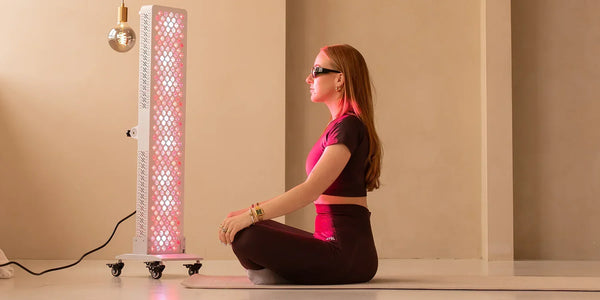
- Place the panel at a comfortable distance (often 30–50 cm).
- Sessions last usually 10–20 minutes.
- Consistency is important: many people use red light several times a week.
- Avoid using it on fresh, bleeding wounds.
- Be cautious with medication that increases photosensitivity.
Practical tips
- Use it during quiet moments in your aftercare routine.
- Combine it with rehabilitation exercises for extra comfort.
- Take the sensitivity of the postoperative area into account.

Who is it suitable for and who is it not suitable for?
Often used by people who:
- recovering from cosmetic procedures
- rehabilitating after orthopedic surgery
- needing aftercare following dermatological treatments
- looking for support with skin comfort during scar formation
- wanting to expand their recovery routine with a non-invasive method
Caution or consult your doctor in case of:
- open wounds or active bleeding
- medication that increases photosensitivity
- complications during postoperative recovery
- pregnancy or specific medical conditions
Conclusion
Red Light Therapy is increasingly used as additional support during postoperative recovery. Research describes that red and near-infrared light may play a role in natural recovery processes, skin comfort, and rehabilitation.
It is not a substitute for professional care, but it can be a valuable addition to a broader aftercare and recovery routine.
Always follow the instructions of your doctor or hospital and use red light only as part of a carefully structured recovery plan.
Want to try it yourself? View Liroma's Red light panels. You have 60 days to test at home whether they suit you.
View the panels