Light therapy for depression: how exactly does it work?
Someone recommended a light lamp to you, but you do not know whether it is suitable for your symptoms. Light therapy uses bright, UV-free white light to support your day-night rhythm: it helps normalize melatonin production, which may help you feel more alert during the day. Research mainly points to a role in seasonal complaints such as the winter blues, while the effects for other forms of depression may vary; it is not a substitute for professional care. In practice, you use it in the morning for 20 to 30 minutes at a distance of 30 to 50 cm, daily for 1 to 3 weeks. Below, you can read how it works, what studies show, and who it is and is not suitable for.
The darker months can feel difficult. Many people notice that their energy drops as soon as daylight disappears, and light therapy is increasingly mentioned as a natural way to break that pattern.

60-day home trialFree shipping7 years of experience in light therapy
Please note: this information is based on scientific sources, customer experiences and our own knowledge of light therapy. It is not medical advice. If you take medication, have a medical condition or are unsure, talk to your doctor or a specialist first.
What is depression?
Depression is more than feeling down. It is a prolonged state of low mood in which energy, motivation, and enjoyment can decrease significantly. Many people also experience sleep problems, difficulty concentrating, irritability, or a feeling of emptiness.
There are different forms of depressive symptoms. Some are related to the seasons, such as the winter blues or seasonal depression, while others can occur throughout the year. Light plays a greater role in this than many people realize: it affects our day-night rhythm, our hormonal balance, and even our mood.
How does light therapy work for depressive symptoms?
Light therapy uses bright, UV-free white light to support processes in the brain related to energy, alertness, and mood.
- Regulation of melatonin: During the darker months, the body may continue producing too much melatonin, making you feel sleepy and listless. Bright morning light helps normalize this process.
- Support for the day-night rhythm: The light gives your brain a clear signal that it is morning. This helps restore your rhythm and makes you feel more alert during the day.
-
Influence on mood and energy: Many people find that they feel less tired and have more initiative after a period of light therapy. This is because light indirectly influences neurotransmitters involved in mood.
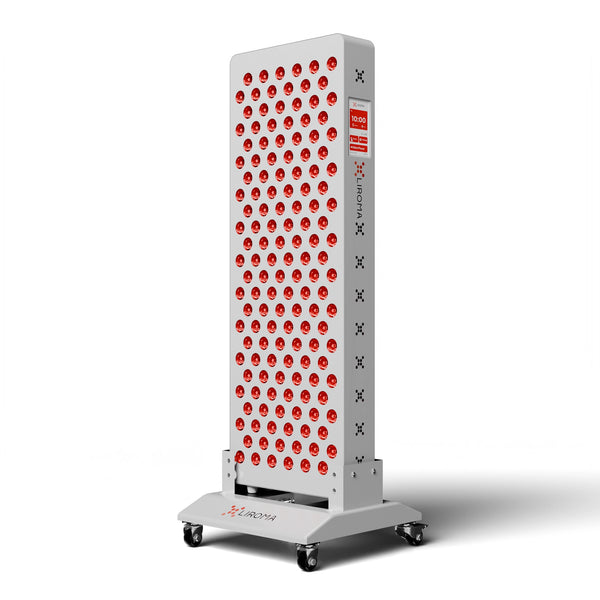
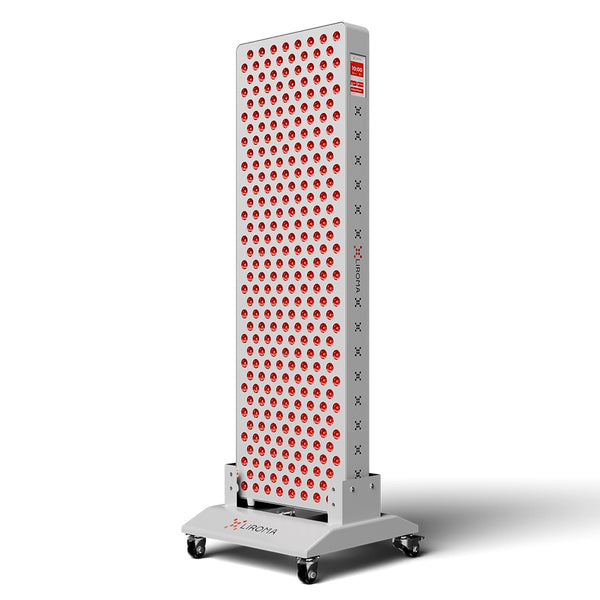
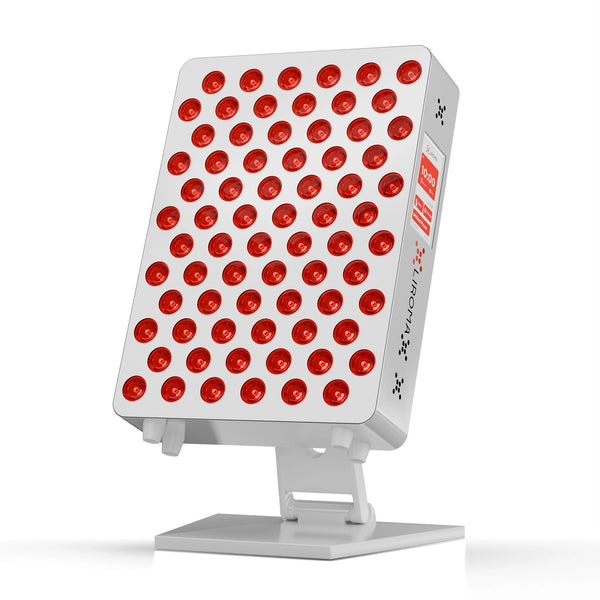
View all red light therapy panels

What do studies show?
There is increasing research into red light therapy, but the evidence is not yet conclusive. What do we know so far?
- Seasonal depression: Research describes how the day-night rhythm can be supported with bright morning light.
- Non-seasonal depressive symptoms: A meta-analysis shows that light therapy may play a supportive role in adults with mild to moderate symptoms.
- People with intellectual disabilities: Light therapy is used in disability care; caregivers often observe greater alertness or cheerfulness. (Source)
- Adolescents: A study among young people with moderate to severe depression found no significant difference between light therapy and a control group.
How to use light panels?
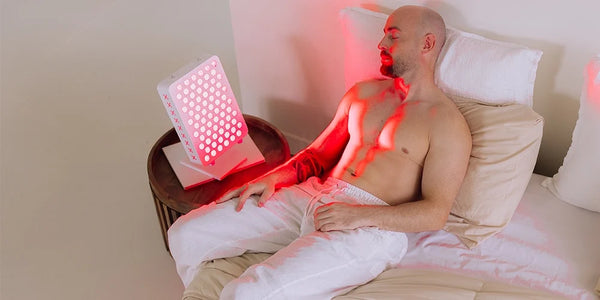
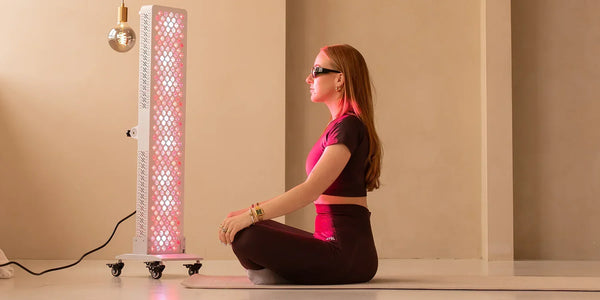
- Use light therapy in the morning, immediately after waking up.
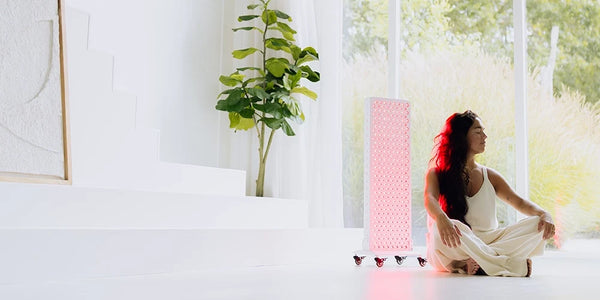
- Place the panel at a distance of 30–50 cm away.
- Sessions usually last 20–30 minutes.
- Keep your eyes open, but do not look directly into the light.
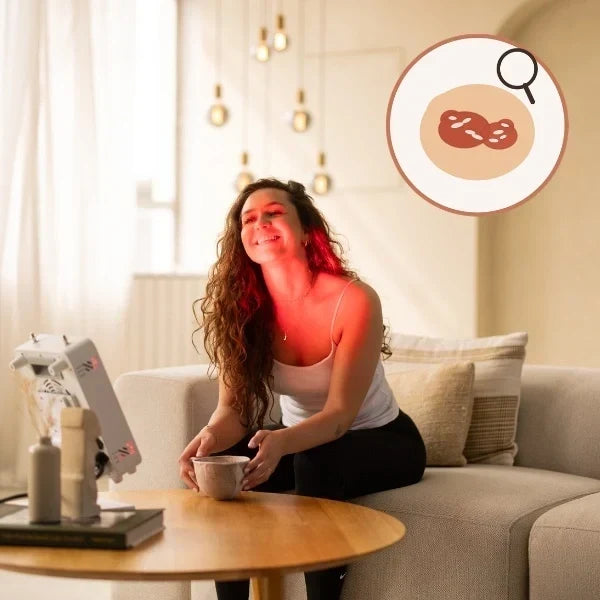
- Combine it with daily routines such as having breakfast or reading.
- Use it daily for 1–3 weeks for the best effect.
- Start gradually if you find bright light uncomfortable.

Who is it suitable for and who is it not suitable for?
Often used by people who:
- are sensitive to limited daylight
- experience the winter blues
- have difficulty getting up or have a disrupted rhythm
- experience low mood during the darker months
Situations requiring caution
- certain eye conditions
- medication that increases light sensitivity
- severe depressive symptoms (always seek professional help)
Conclusion
Light therapy is an accessible way to support the day-night rhythm and is widely used for seasonal low mood. Research shows that it may play a role particularly in seasonal complaints, while the effects for other forms of depression may vary.
It is not a substitute for professional care, but it can be a valuable addition to a broader approach.
Want to try it yourself? View Liroma's light panels. You have 60 days to test at home whether it suits you.
View the panels