Why is light so important?
In winter, you go to work in the dark and return home in the dark. Light regulates your biological clock, the 24-hour rhythm that determines when you are alert and when you sleep. In the morning, daylight increases the hormone cortisol and raises serotonin levels, while melatonin, the sleep hormone, decreases; too little daylight has exactly the opposite effect. Research shows that 20 to 30 minutes of bright light directed at your eyes can reduce sleepiness and improve reaction speed. Below, you can read how light regulates your biological clock and when it is better to use blue or white light.
60-day home trialFree shipping7 years of experience in light therapy
Please note: this information is based on scientific sources, customer experiences and our own knowledge of light therapy. It is not medical advice. If you take medication, have a medical condition or are unsure, talk to your doctor or a specialist first.
Have you ever wondered why you feel energetic and positive on some days, while other days seem like a constant struggle against fatigue and low mood? Or why, during the winter months, when the days get shorter, you sometimes experience unexplained feelings of depression?
The importance of light
In our lives, we need light to be able to see, but in addition to this important aspect, light also plays a role in regulating our sleep rhythm and is essentially the foundation of life. Our bodies must constantly synchronize with the natural environment, which is why we need light and darkness at specific times of the day. The body needs a good balance between light and darkness.

Research shows that light has a direct influence on the parts of our brains linked to alertness and cognition. This means that exposing our eyes to bright light for 20 to 30 minutes can reduce feelings of sleepiness and improve reaction speed.
Exposure of our eyes to light clearly has an effect on our bodies. In the morning, light causes an increase in the hormone cortisol. Cortisol is essential for the body to function properly. It controls the body's stress responses and helps you feel fit while protecting the body from the effects of illness, injury, or stress. When our body is exposed to a stressful situation, an extra-high cortisol level is needed to keep going. At night, exposure to light causes an increase in body temperature and heart rate and a decrease in the amount of melatonin, the sleep hormone. When the body is exposed to sufficient daylight, the sleep hormone decreases and serotonin, the happiness hormone, increases. The opposite is also true... When the sleep hormone increases, the happiness hormone decreases. In short, the less daylight, the less happy you feel.
Light influences not only what we see, but also how we feel and function. Discover how daylight lamps can reset your biological clock and improve your energy and mood.

Your biological clock
Our biological clock is an important aspect of our health. This part of your brain essentially regulates everything going on in our bodies and maintains a 24-hour rhythm. If this clock becomes disrupted, it can cause harm to your body. A properly functioning biological clock is therefore essential for good health. A daylight lamp can help restore your biological clock and, among other things, prevent a disrupted sleep rhythm.

Morning light and darkness
We need morning light and darkness for a good sleep rhythm, which means a good night's sleep and an energetic day. You have probably noticed yourself that you have more energy when you have slept well and it is a beautiful sunny day. If it is dark during the day, this can lead to low moods and therefore to a winter slump during the darker months of the year.
For people who suffer from the winter blues, in other words seasonal changes, bright light in the morning in particular can improve their mood. Bright light can counteract a lack of energy with just 20 to 30 minutes of exposure. Bright light, whether artificial or from the sun, has proven highly effective for mood changes during the darker times of the year.
More energy through light
When bright light enters through our eyes, we become more alert and less sleepy. As a result, we feel more energetic. As long as it is dark outside, our eyes are adjusted to darkness. A low light intensity from the daylight lamp may then already be enough to activate your body. If you experience sleepiness during the day, increase the lamp's light intensity. This will increase your alertness.
Blue or white light?
With a daylight lamp, we are referring to bright white light and blue light, among other things. But when should you use each color, and at what time of day? The best effect of light depends on the color in combination with the right timing.

White light contains all the colors of the light spectrum, including a fraction of blue light. Blue light is best for regulating our biological clock. Your energy level increases. Be careful, because blue light can therefore disrupt your sleep. For this reason, it is recommended to use blue light mainly in the morning if you have difficulty getting up.
Disruptions to the biological clock are caused, among other things, by a lot of bright light in the evening, for example from smartphones or tablets, but also by working night shifts or experiencing jet lag from flying across different time zones. If you are very tired early in the evening, exposure to bright light can be effective again.
Exposure to light during the day provides more energy and a better mood. The more blue the white light contains, the less light is needed to produce a response. It is not necessary to expose your eyes to a large amount of blue light, so make sure you do not look directly into the light and do not use it for longer than the recommended 30 minutes.
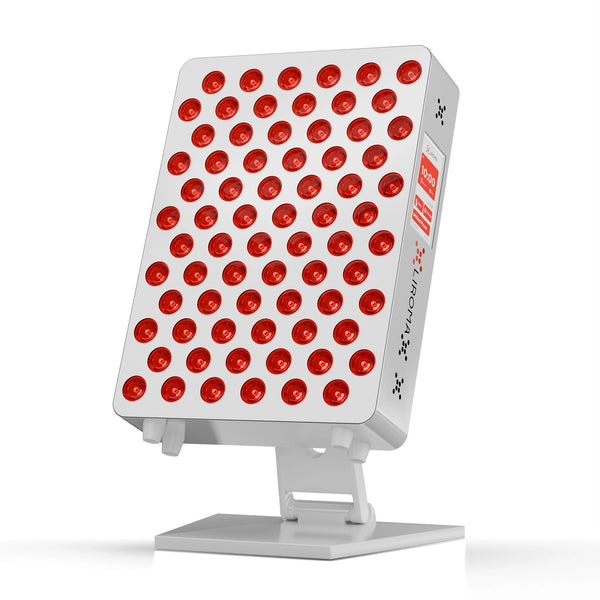
Liroma's daylight lamps pose no risk to normal, healthy eyes. The screen is equally bright throughout and contains the same concentration. In addition, the lamp is UV-free.
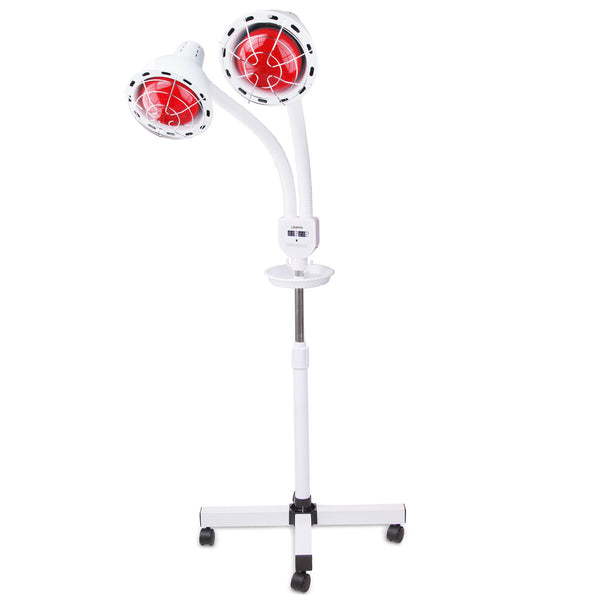
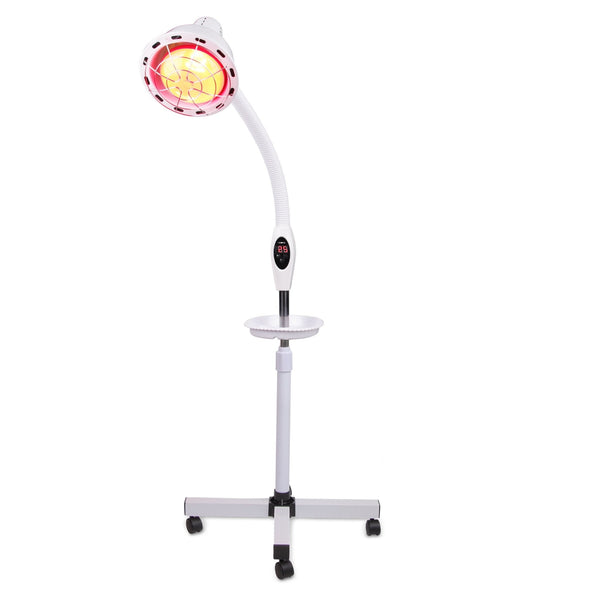
Want to try it yourself? View Liroma's range. You have 60 days to test at home whether it suits you.
View all products