Light therapy for fatigue: What does it do?
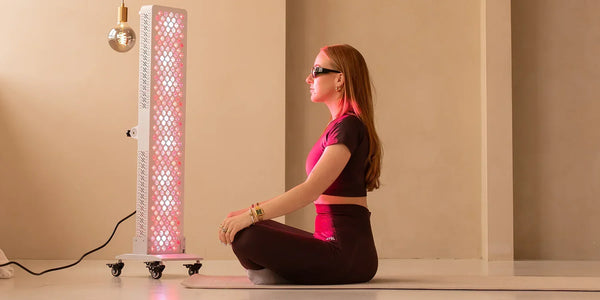
You sleep for eight hours and still get up as if you had been woken halfway through the night. Light therapy is not a remedy for fatigue, but light can play a role in processes related to energy, your daily rhythm, and relaxation. Research is growing, although results vary by study and by person. Many people use a panel several times a week, for 10 to 20 minutes per session, at a distance of 30 to 50 cm, often in the morning for an energetic start. Below, you will read what happens in your body when you experience fatigue, what the studies say, and how to use a lamp.
Do you often feel tired, listless, or struggle to keep your energy level up? More and more people are using light therapy to support fatigue and recovery, but does it actually help?

60-day home trialFree shipping7 years of experience in light therapy
Please note: this information is based on scientific sources, customer experiences and our own knowledge of light therapy. It is not medical advice. If you take medication, have a medical condition or are unsure, talk to your doctor or a specialist first.
What happens in the body when you experience fatigue?
Fatigue arises from a combination of physical and mental processes. Common factors include:
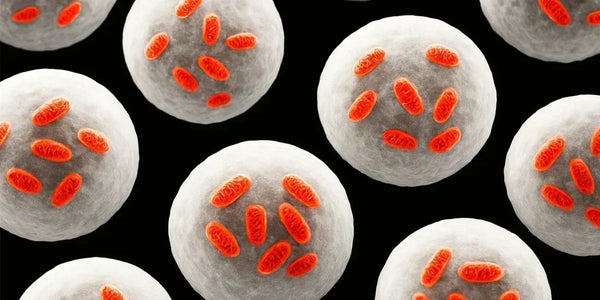
- Energy balance and mitochondria: Your cells produce energy through mitochondria. When this process becomes less efficient, your energy level may drop and you may feel tired more quickly.
- Sleep-wake rhythm: A disrupted circadian rhythm can lead to morning fatigue, afternoon slumps, and difficulty recovering.
- Stress and tension: Long-term stress keeps the body continuously activated, making it harder to relax and causing you to become exhausted more quickly.
- Recovery processes: After exertion, illness, or busy periods, the body needs time to recover. If that recovery is insufficient, fatigue can build up.
How can light therapy help with fatigue?
Many people use red and near-infrared light to support fatigue-related complaints. It may play a role in:
- Supporting natural energy processes: Light can influence cellular processes involved in energy production. This is often mentioned by users who want to support their energy levels.
- Supporting the sleep-wake rhythm: Light is an important stimulus for your internal clock. Some people use light therapy to support their rhythm, especially with morning fatigue or changing work schedules.
- Relaxation and recovery: Many users find that red light helps them relax, which may indirectly contribute to a better recovery period during the day.
- Comfort with fatigue-related complaints: Some people notice that light therapy helps with a feeling of “heavy muscles” or general listlessness, especially later in the day.
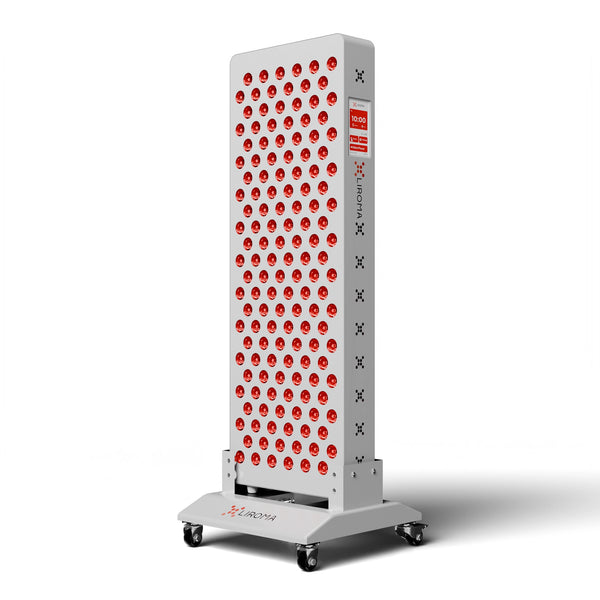
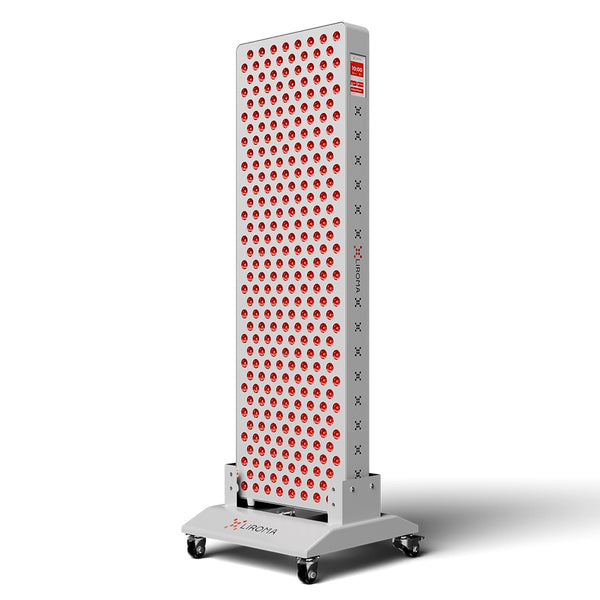
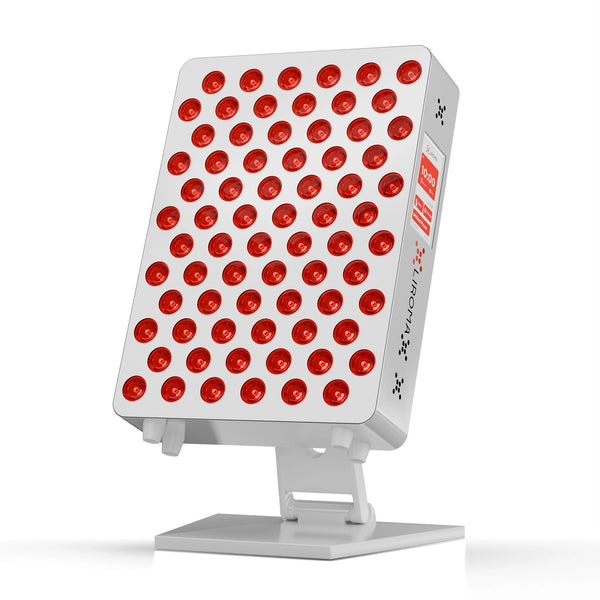
View all red light therapy panels

What does the science say?
Research into light therapy and fatigue is growing, but results vary by study. There are nevertheless interesting findings showing that light may play a role in processes involved in energy, rhythm, and recovery.
Sleep and circadian rhythm
Some studies describe how exposure to red light may affect sleep quality and the sleep-wake rhythm. For example, one study reported changes in alertness and sleep perception when red light was used in the evening.
Source: https://www.frontiersin.org/journals/psychiatry/articles/10.3389/fpsyt.2023.1200350/full
Fatigue and alertness
Small studies have described how light interventions (bright light or dim light) may play a role in the perception of fatigue. However, the effects varied and were strongly dependent on the individual.
Source: https://pmc.ncbi.nlm.nih.gov/articles/PMC8919713/
Supporting recovery processes
Research into light therapy in other contexts, such as sports recovery or general wellness, describes how light may play a role in processes involved in recovery and comfort.
Source:https://pmc.ncbi.nlm.nih.gov/articles/PMC8240139/

How to use lamps?
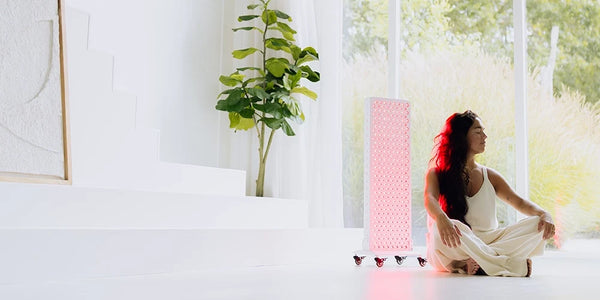
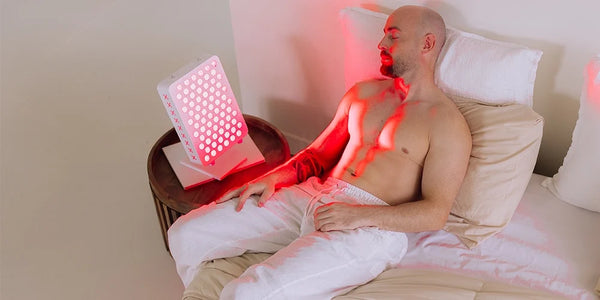
Many people use light therapy in the morning for an energetic start, have a short session in the afternoon to overcome a slump, and use it mainly for relaxation in the evening, although reactions vary from person to person, so it is wise to test which time best suits your rhythm.
- Use light therapy only on closed skin.
- Place the panel at a comfortable distance (often 30–50 cm).
- Sessions last usually 10–20 minutes.
- Consistency is important: many people use light therapy several times a week.
- Consult a doctor if you have persistent fatigue-related complaints or medical conditions.
Can Red Light Therapy also make you tired?
Red Light Therapy generally does not make you tired, but some people do experience temporary sluggishness or relaxation after a session. This is because the warm light and improved circulation help calm the nervous system.
It can sometimes feel as though you are becoming sleepy, but it is not genuine fatigue; it is more likely a sign that your body is entering recovery mode. This usually passes quickly, and users often feel more energetic afterward.
Summary
Light therapy is increasingly being used to support fatigue, low energy levels, and recovery. Research describes how light may play a role in processes involved in energy, rhythm, and relaxation.
The effects vary from person to person, but many users find that light therapy helps support their daily rhythm and makes them feel less listless.
Want to try it yourself? Explore Liroma's red light panels. You have 60 days to test at home whether it suits you.
View the panels