Red Light Therapy for Pain and Inflammation
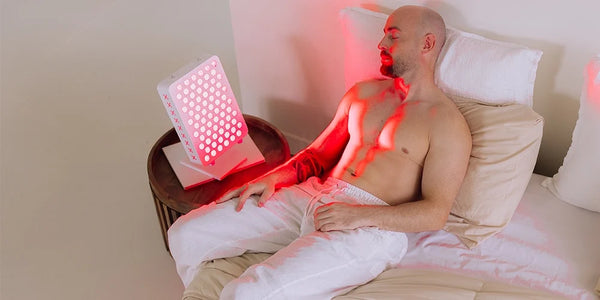
A knee that feels warm after every walk and remains stiff in the morning. Red light therapy can help reduce pain and inflammation. The light penetrates the skin and tissue and stimulates your mitochondria: cells produce more energy, oxidative stress decreases and pro-inflammatory substances are reduced. At home, treat an area for 5 to 20 minutes from a distance of 30 to 50 cm, 3 to 6 times per week, and you often notice results only after several weeks. Below, you can read where inflammation comes from, what the science shows and which complaints you can use red light for.
Everyone experiences it from time to time: sore muscles, stiff joints or irritated skin. Inflammation is often the underlying cause. Although it is a useful response by the body, it can become chronic, in which case it works against you rather than for you.
Red light therapy is increasingly emerging as a natural method for reducing pain and inflammation. What makes this light so special? How does it work? And which complaints can you use it for? In this article, we will tell you more!

60-day home trialFree shipping7 years of experience in light therapy
Please note: this information is based on scientific sources, customer experiences and our own knowledge of light therapy. It is not medical advice. If you take medication, have a medical condition or are unsure, talk to your doctor or a specialist first.
What causes inflammation in the body?
Inflammation occurs when your immune system springs into action to repair damage or fight invaders such as bacteria and viruses. In the case of a cut or sprain, this is a healthy, temporary response. Your body sends white blood cells to the affected area, causing redness, swelling and warmth - the classic signs of inflammation.
Sometimes, however, this inflammatory response remains active, even without an obvious reason. This is known as chronic inflammation. And that can be problematic. This type of ‘low-grade inflammation’ plays a role in many modern conditions, such as:
- Osteoarthritis
- Rheumatoid arthritis
- Type 2 diabetes
- Cardiovascular disease
- Digestive problems
- Autoimmune diseases
Factors such as stress, poor nutrition, lack of sleep and toxins can intensify this process. Fortunately, there are ways to support the body in this, and red light is one of them.
Does red light help with inflammation?
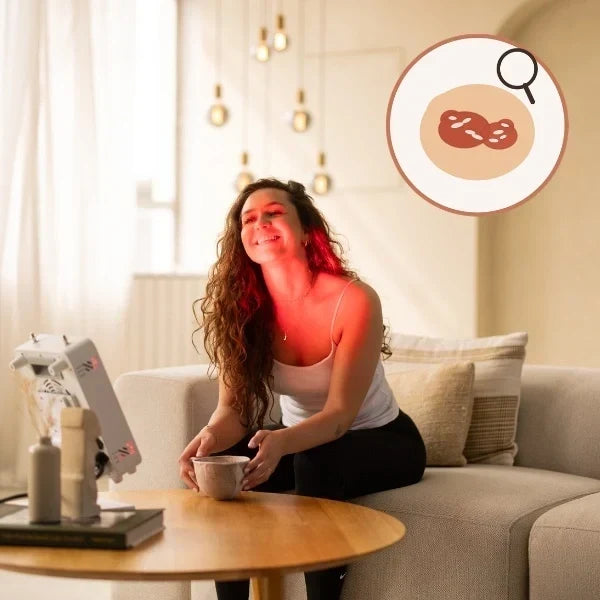
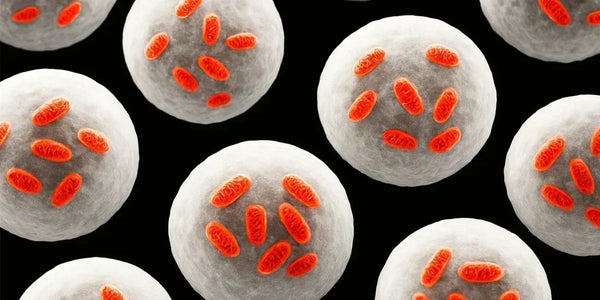
Red Light Therapy, also known as light therapy or photobiomodulation, uses specific wavelengths of red (and near-infrared) light. These penetrate deep into the skin and tissue, stimulating the activity of your mitochondria, the powerhouses of your cells.
What happens then?
- The cell produces more ATP (energy)
- Oxidative stress is reduced
- Pro-inflammatory substances decrease
- Recovery and regeneration processes are accelerated
In short: red light helps your body recover more efficiently, regulate inflammation, and relieve pain, without medication or invasive treatments.
Although the names are sometimes used interchangeably, infrared lamps with heat (such as classic heat lamps) are primarily designed to emit heat. They penetrate less deeply and do not work specifically at the cellular level as red light therapy does. Red light is therefore genuinely different from a heat lamp.

What does the science say?
In recent years, interest in red light therapy has grown significantly. Rightly so, as hundreds of studies have now been conducted into the effects of red light on inflammation and pain.
A few notable scientific findings:
- Red light reduces the production of pro-inflammatory cytokines, which drive inflammation
- It increases cellular antioxidants, such as melatonin (which works locally within the cell)
- In people with osteoarthritis, red light has been shown to significantly reduce pain and stiffness
- In rheumatoid arthritis, studies showed a decrease in the activity of pro-inflammatory genes
- There is even evidence that neuroinflammation (such as in depression and brain inflammation) responds positively to red light
A recognized authority in this field is Dr. Michael Hamblin of Harvard University. He states:
“One of the most reproducible effects of light therapy is an overall reduction in inflammation.”
Meta-analyses (studies that combine multiple studies) also confirm that red light therapy not only relieves pain but also produces functional improvements in conditions such as osteoarthritis, tendon inflammation, and muscle injuries.
Although the exact biological mechanisms require further investigation, the current scientific consensus is clear: red light has a demonstrable anti-inflammatory effect, making it a valuable therapy, especially for chronic complaints.

Which conditions can a red light lamp help with?
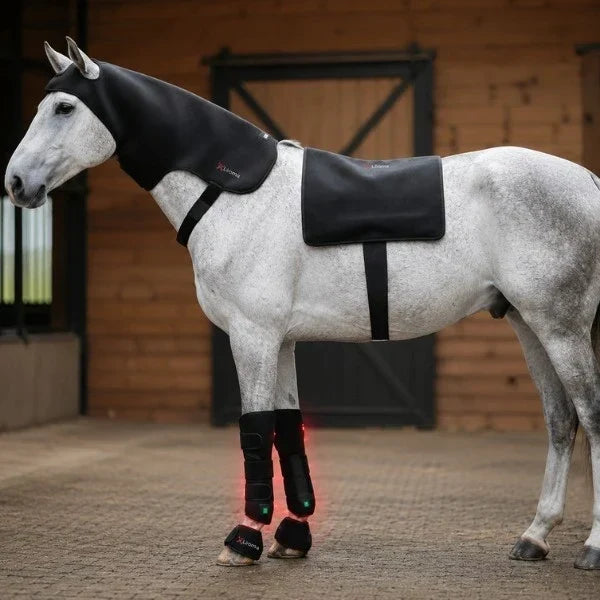
The anti-inflammatory and pain-relieving effects of a red light lamp can help with many different complaints. These include:
Joint and muscle complaints
- Osteoarthritis (for example, knee or neck osteoarthritis)
- Rheumatoid arthritis
- Tendinitis (tendon inflammation)
- Fibromyalgia
- Myofascial pain syndrome
Skin problems
Neurological and internal conditions
- Neuroinflammation (e.g., in Alzheimer's disease or depression)
- Intestinal inflammation (such as ulcerative colitis)
- Chronic fatigue
- Pain after surgery or injuries
Acute injuries
- Sprains and strains
- Muscle soreness after exercise
- Post-workout recovery
Although results may vary from person to person and depending on the complaint, many users report experiencing less stiffness, pain, and swelling after regularly using red light therapy.
View all red light therapy lamps

How do you use red light lamps effectively?
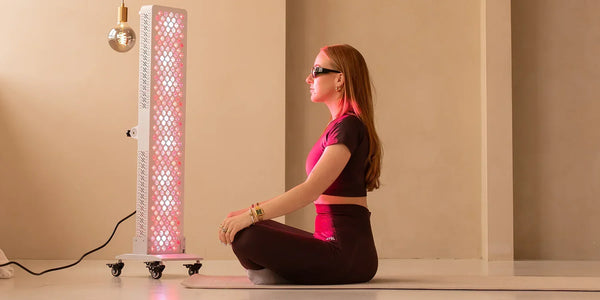
The great thing about red light therapy is that you can easily use it at home, provided you know what you are doing. Here are a few guidelines:
- Maintain a distance of 30–50 cm
- Treat an area for approximately 5–20 minutes
- Repeat this 3 to 6 times per week
- Cleanse the skin before use (no makeup or creams)
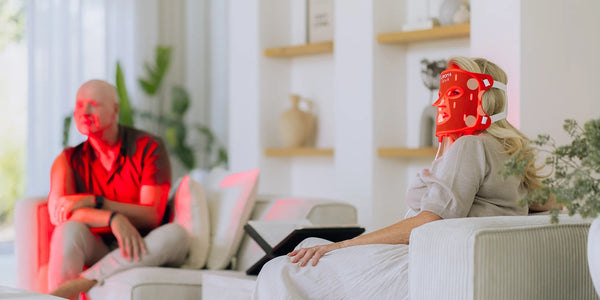
- Wear protective glasses if your face is being illuminated
Choose a fixed time in your day for treatment, for example after exercising or before going to bed. And be consistent: you often won't see results until after a few weeks.
Summary
Red light therapy is a smart and safe way to support the body in fighting pain and inflammation. Thanks to its effects at the cellular level, it helps regulate inflammatory processes, relieve chronic complaints, and accelerate recovery.
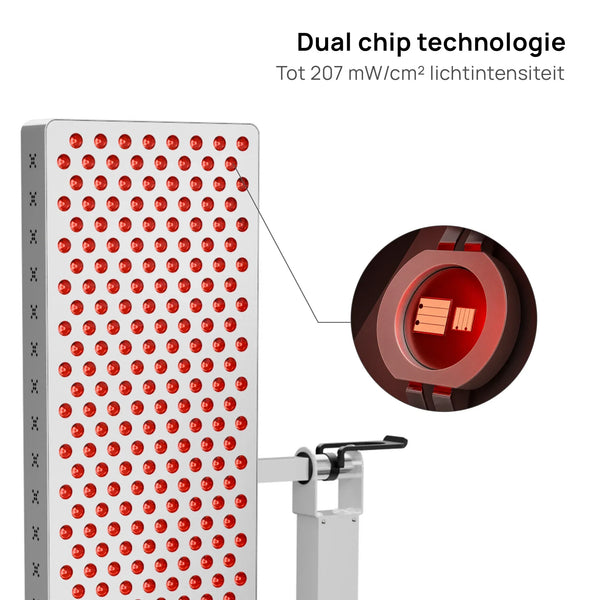
Want to try red light therapy? Make sure you choose a quality device with the right specifications, and give your body time to respond. Combine it with a healthy lifestyle for the best results.
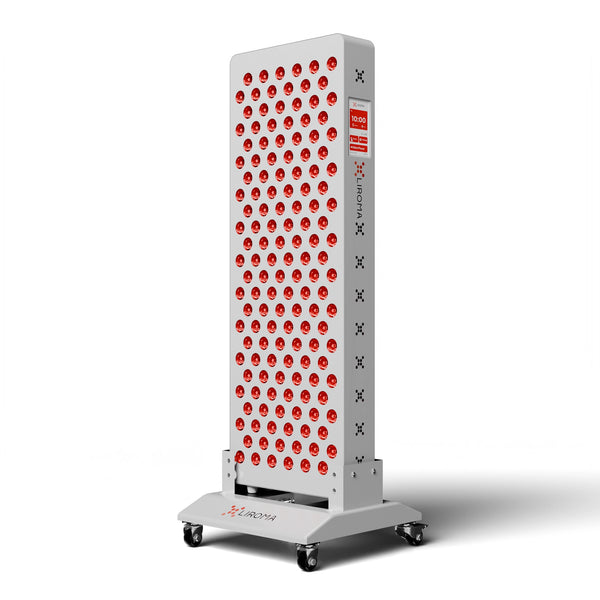
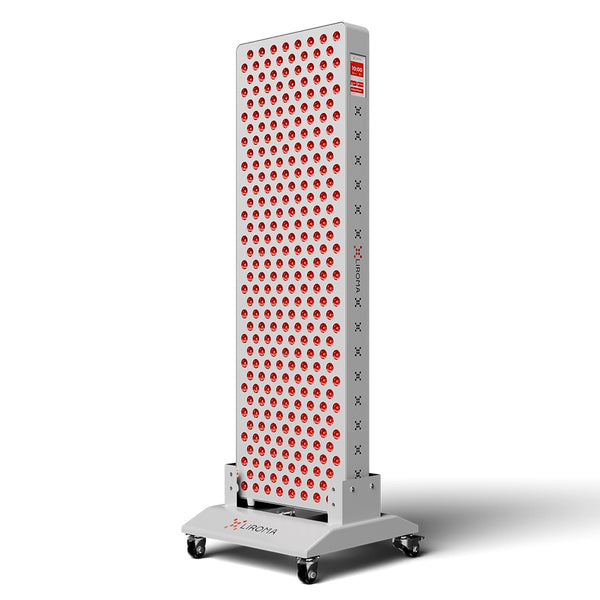
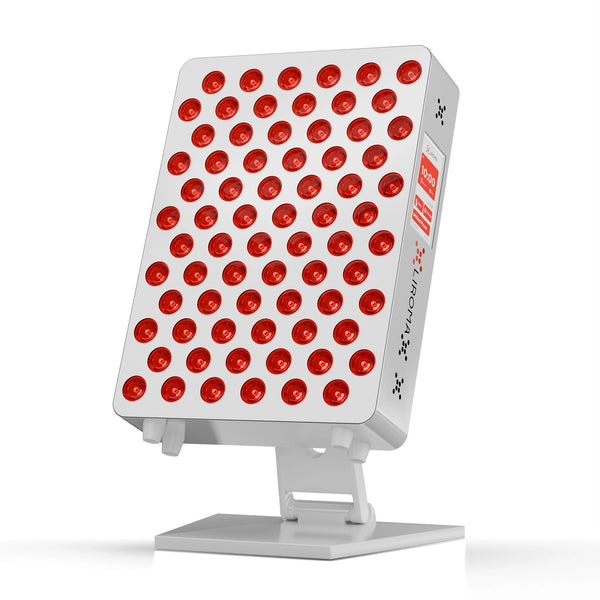
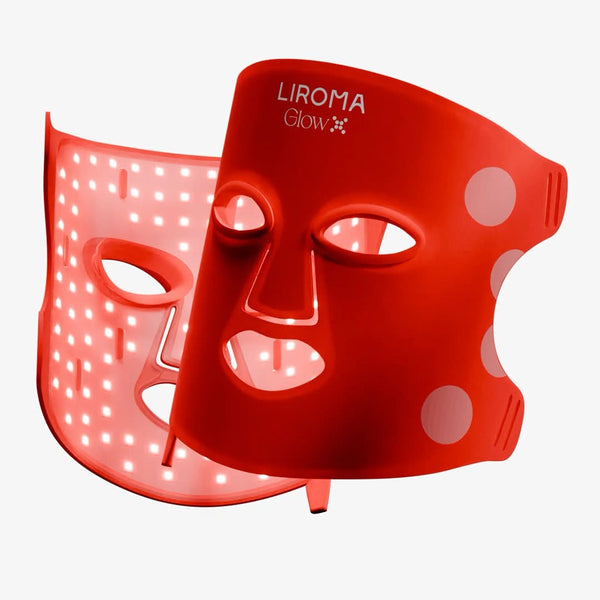
Want to try it yourself? View Liroma's red light panels. You have 60 days to test at home whether it suits you.
View the panels