Red Light Therapy for Wound Healing: Does It Work?
An abrasion on your knee still hasn’t properly closed after a week. Red Light Therapy can support your skin’s natural healing process. The light stimulates your mitochondria to produce more ATP, improves circulation around the wound, stimulates collagen production and has an anti-inflammatory effect, meaning minor wounds often heal faster and more attractively. It is intended for mild to moderate skin damage and complements professional wound care; it is not a replacement: use it 2 to 5 times per week, for 10 to 20 minutes, from a distance of 30 to 50 cm. Below, you’ll read how it works, which wounds it is suitable for and what to keep in mind.
Minor wounds are part of life. Whether it’s a cut, abrasion, burn or a scar after surgery: your skin needs to recover. But did you know that red light therapy for wound healing can naturally support this process?
60-day home trialFree shipping7 years of experience in light therapy
Please note: this information is based on scientific sources, customer experiences and our own knowledge of light therapy. It is not medical advice. If you take medication, have a medical condition or are unsure, talk to your doctor or a specialist first.
How does red light therapy work for wound healing?
Red light therapy uses red and Infrared light at a specific wavelength. This light penetrates deep into your skin and activates energy production in your cells.
Energy production
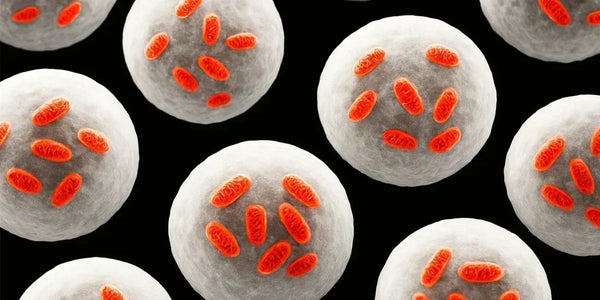
Your cells contain mitochondria, also known as the ‘powerhouses’ of your body. The light stimulates these mitochondria to produce more ATP (adenosine triphosphate). This is the energy your cells need for recovery. This entire process plays a direct role in wound healing, because it helps damaged skin cells recover more quickly and effectively.
Circulation
Red light also improves blood circulation and microcirculation around the wound. As a result, oxygen, nutrients and immune cells are delivered to the damaged area more quickly.
Collagen
It also stimulates collagen production, a protein that is important for the recovery of skin and connective tissue. And thanks to its anti-inflammatory effect, swelling and redness are often reduced.

What are the benefits?
The combination of cell stimulation, improved circulation and reduced inflammation provides several benefits for wound healing:
- Faster recovery: minor wounds generally close faster with regular use.
- Lower risk of scarring: because the tissue heals more attractively.
- Pain relief: red light can reduce pain and sensitivity around the wound.

Which wounds is it suitable for?
Red Light Therapy is particularly suitable for mild to moderate skin damage, such as:
- Abrasions
- Small cuts
- Burns (mild degree)
- Postoperative scars
- Areas of irritation or dry, chapped skin
For deep wounds or open infections, it is always important to seek medical advice first. Light therapy is a complement, not a replacement for professional wound care.

Practical tips for use
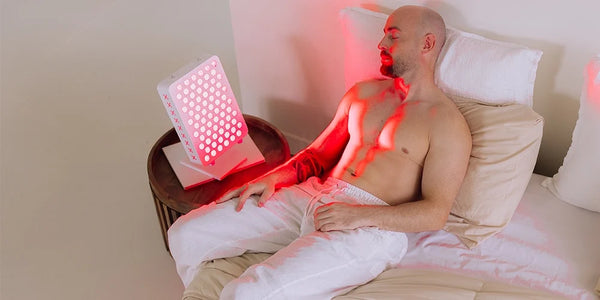
Would you like to use red light therapy yourself for wound healing? Then it is important to do so correctly.
- Frequency: use it 2 to 5 times per week for optimal results.
- Duration: allow 10 to 20 minutes per treatment session.
- Distance: keep the light approximately 30 to 50 cm away from the skin.

Faster skin recovery with red light
Red light therapy for wound healing works at the cellular level. It stimulates the mitochondria, increases ATP production, improves blood flow and has an anti-inflammatory effect. As a result, your skin can recover faster and more attractively, with a lower risk of scarring or prolonged irritation.
When used correctly, a few times per week and from a short distance, it is a safe, natural way to give your skin some extra support.
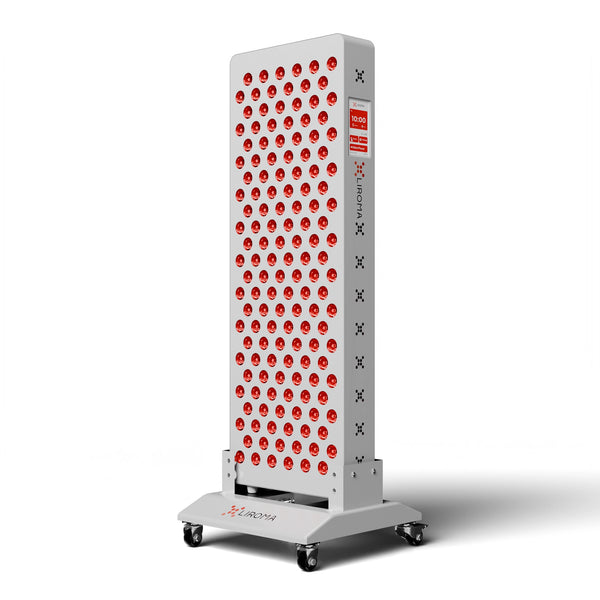
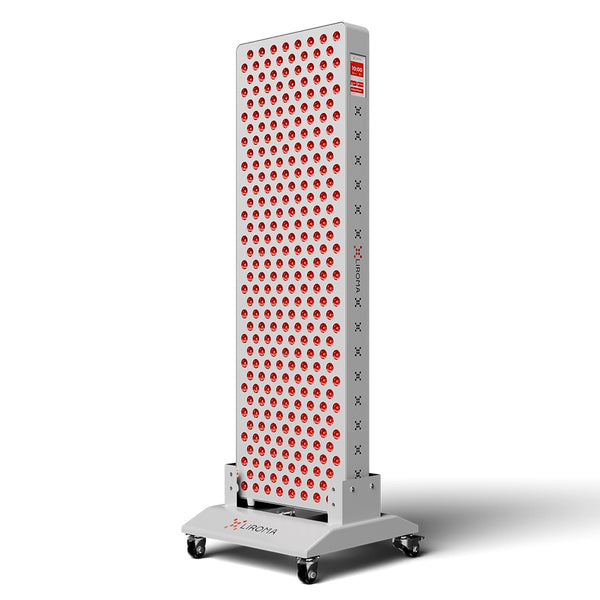
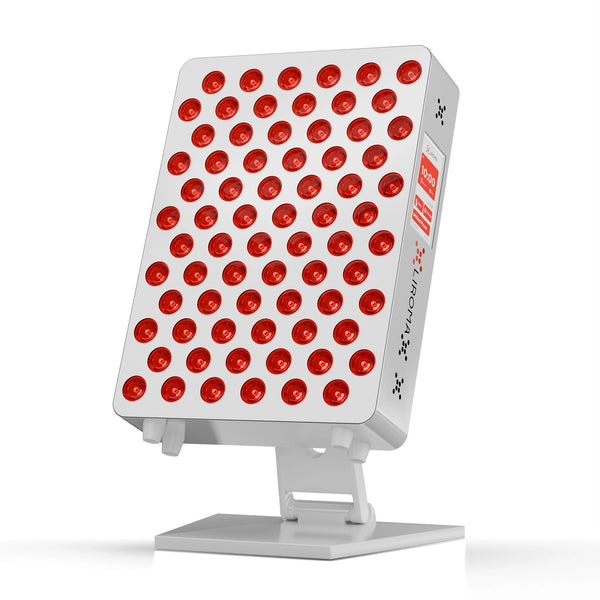
Would you like to try it yourself? Discover Liroma’s red light devices for the skin. You have 60 days to test at home whether it suits you.
View for the skin