Discover how infrared lamps can reduce pain associated with fibromyalgia
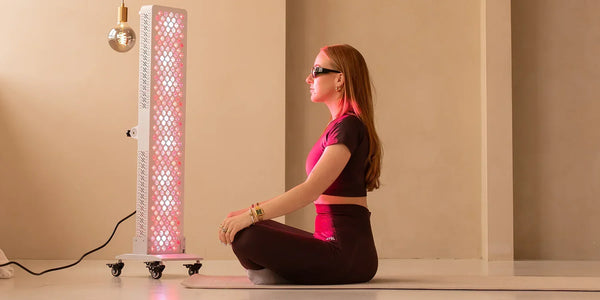
You wake up stiff, and today the pain is somewhere different again than yesterday. Infrared lamps with heat direct that heat deep into the tissue, which can relax your muscles and improve circulation. As a result, stiffness and pain associated with fibromyalgia may decrease, although it is not a treatment for the condition itself. Use it regularly: three times a week to daily, with sessions lasting 12 to 20 minutes, and consult your doctor beforehand. Below, you can read what fibromyalgia exactly is, how infrared works, and what to pay attention to when using it.
Fibromyalgia is no picnic. If you are here, you understand that all too well. This condition is often accompanied by pain, stiffness, and fatigue in the muscles and joints. People who suffer from it often look for ways to relieve their symptoms. You probably recognize that. An interesting approach that is increasingly gaining attention is the use of infrared lamps. But how do these lamps work, and what makes them effective for fibromyalgia? No frills, just the facts about how they may help reduce pain.
"Infrared lamps: A source of relief for fibromyalgia, where warmth and hope come together in the search for comfort and relaxation."
60-day home trialFree shipping7 years of experience in light therapy
Please note: this information is based on scientific sources, customer experiences and our own knowledge of light therapy. It is not medical advice. If you take medication, have a medical condition or are unsure, talk to your doctor or a specialist first.
What is fibromyalgia?
Before we look more closely at the relationship between infrared lamps and fibromyalgia, it is important to understand exactly what fibromyalgia is. The reality is harsh: it is exhausting. That muscle and joint pain cannot be ignored. This condition affects the nervous system and primarily affects the soft parts of the body, such as the muscles and tissues (the soft tissues). For this reason, fibromyalgia is also called 'soft-tissue rheumatism'. Fibromyalgia is sometimes compared with rheumatoid arthritis, in which the joints become inflamed. But it is not the same. People with fibromyalgia experience pain and sensitivity, particularly in the neck, shoulders, hands, pelvis, legs, feet, and back. Physical symptoms are not the only problem; fatigue and sleep problems are also common. This combination is debilitating and has a major impact on daily life. More information about fibromyalgia? Click here.

The most common symptoms of fibromyalgia
Fibromyalgia brings a combination of unpleasant symptoms. Let us clearly list the main symptoms. After that, we will discuss reducing pain through the use of infrared lamps:
- Pain throughout the body: From sharp to dull pain, which becomes worse with movement, stress, and even the time of day.
- Stiffness: A similar experience to arthritis, but worsened by movement, making daily activities more difficult.
- Tender points: Eighteen spots on the body that hurt when touched. They are located in symmetrical areas, from the head and neck to the buttocks, hips, and knees.
- Fatigue: Not simply feeling tired, but a debilitating exhaustion that affects everything from work to social life.
- Sleep problems: Falling asleep is a challenge, with frequent waking during the night. Sleep quality is not optimal, with an increased risk of restless legs and sleep apnea.
- Depression, stress, and anxiety: Depression, stress, and anxiety are often present, possibly as a result of daily life with chronic pain.
-
Cognitive problems: Problems with concentration, maintaining attention, and remembering new information, also known as "brain fog" or "fibro fog.

How infrared lamps work
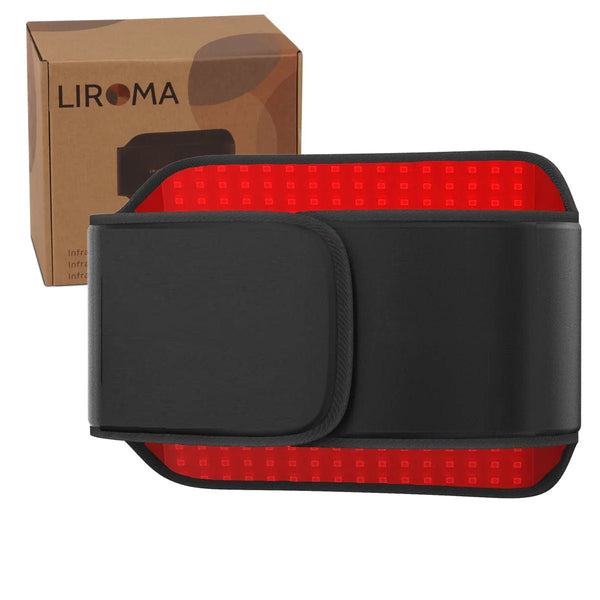
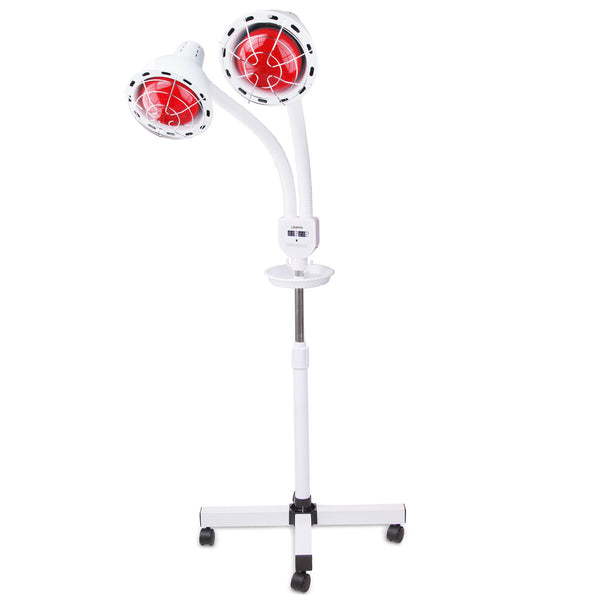
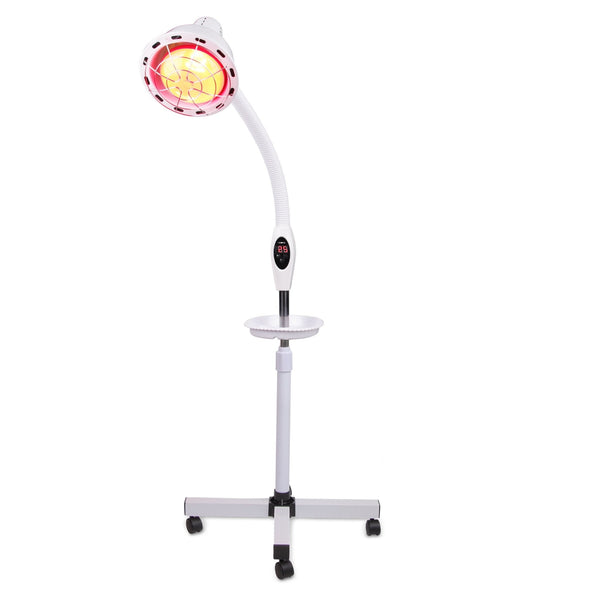
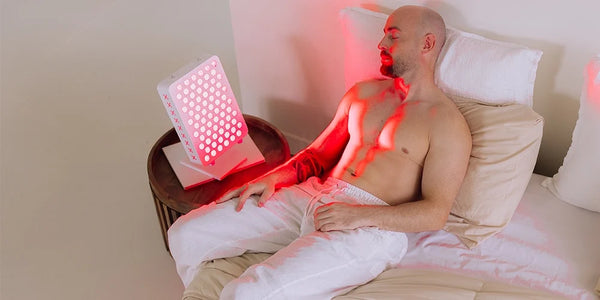
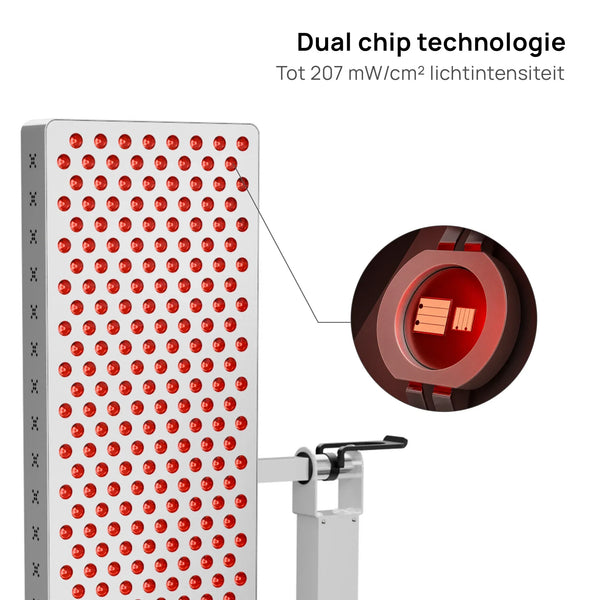
Infrared lamps with heat emit warm, invisible infrared rays that penetrate deep into the body's tissue. In addition to the familiar heat lamps, there are also advanced LED therapy lamps (a combination of red and infrared light) with specific nanometer wavelengths. Although these LED lamps do not become warm, they have been shown to be effective in reducing pain and inflammation.
Infrared is not used only for pain relief. The radiation also helps muscles recover faster by stimulating circulation and transporting more oxygen to the muscles. It is also used for joint problems because of its anti-inflammatory properties. In addition, infrared is used in cosmetics to reduce cellulite, stimulate collagen, and promote relaxation and a detox effect. In short, infrared lamps have a wide range of applications that go beyond pain relief alone.

How infrared can help with fibromyalgia
Infrared can help in several ways. Below is more information about what infrared can mean for fibromyalgia symptoms.
- Whole-body relaxation: Infrared therapy relaxes your muscles, reducing that unpleasant constant stiffness. A big deal for people with fibromyalgia.
- Improved circulation: It promotes healthier circulation, allowing oxygen and nutrients to reach different parts of your body more efficiently. This may support healing and reduce fatigue.
- Better sleep: Fibromyalgia patients often experience sleep problems. Infrared therapy can have a relaxing effect, which may lead to better sleep at night and less fatigue during the day.
- Improved cellular activity: Infrared radiation boosts the activity of your cells, helping damaged tissues recover in the long term.

How often and how long should you use an infrared lamp?
If you want to address fibromyalgia with an infrared lamp, consistency is important. Aim for about three times a week; daily use is also fine. Keep sessions short and effective, between 12 and 20 minutes for the best results. But before starting treatment, we recommend consulting a doctor first. Safety comes first! In principle, infrared therapy has no side effects. However, there are situations in which it should not be used, particularly with certain medical conditions.
Conclusion
So, in summary: infrared lamps really do seem to offer something for people with fibromyalgia. They can help with pain, muscle relaxation, and activating your cells. This makes these lamps suitable as a supplement to other treatments for fibromyalgia. If you are looking for a natural and non-invasive way to reduce your symptoms, infrared therapy is certainly worth considering. As usual, consult your doctor before trying anything new, especially if you have other health issues.
Curious whether infrared lamps can help you with the challenges of fibromyalgia? Discover the relaxing effect, improved circulation, and enhanced cellular activity of infrared therapy. Consider it as a supplement to your fibromyalgia treatment. Start exploring the possibilities today and talk to your doctor to see whether infrared therapy is right for you. Here is to a more comfortable life with less pain and more relaxation!
Would you like more information or do you need help? Feel free to contact us at hello@liromaredlight.com. We are happy to help. You can also find more information in our other blogs. Click here.
Want to try it yourself? View Liroma's infrared lamps with heat. You have 60 days to test at home whether they suit you.
View the infrared lamps