Infrared and diseases? How does that actually work?
The word radiation on the packaging immediately raises the question of whether it is safe. Infrared is radiation, but a harmless form: the wavelengths are converted into heat that warms the skin, speeds up blood circulation and helps remove waste products more quickly. For complaints related to rheumatism, the skin and stress, infrared heat is therefore mainly used for pain relief and relaxation, as a supplement and not as a replacement for medical treatment. If you have a condition or illness, always consult your doctor first. Below, you can read what is known about the effects of infrared for each subject.
60-day home trialFree shipping7 years of experience in light therapy
Please note: this information is based on scientific sources, customer experiences and our own knowledge of light therapy. It is not medical advice. If you take medication, have a medical condition or are unsure, talk to your doctor or a specialist first.
Infrared and diseases? How does that actually work? We explain it!
“Radiation? That doesn't sound good for my body…”
A fair point, but not in every case. Infrared is a form of radiation that is not bad at all; on the contrary. Infrared has a very positive and beneficial effect on the body and mind, including in various conditions and diseases. Curious? Then read on!
To make it clear for you:
- General effects of infrared therapy
- Rheumatism
- Fibromyalgia
- Arthritis
- Ankylosing spondylitis
- Skin conditions and complaints
- Wrinkles
- Wound healing
- Cellulitis
- Acne
- Eczema
- Psoriasis
- Stress and depression

The infrared lamp
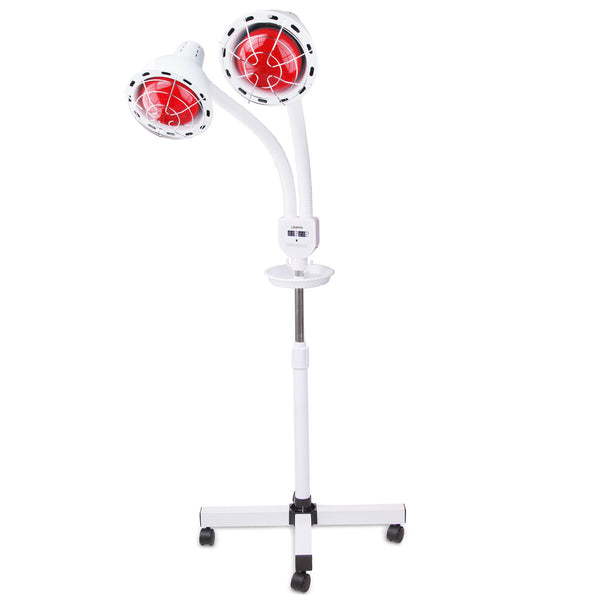
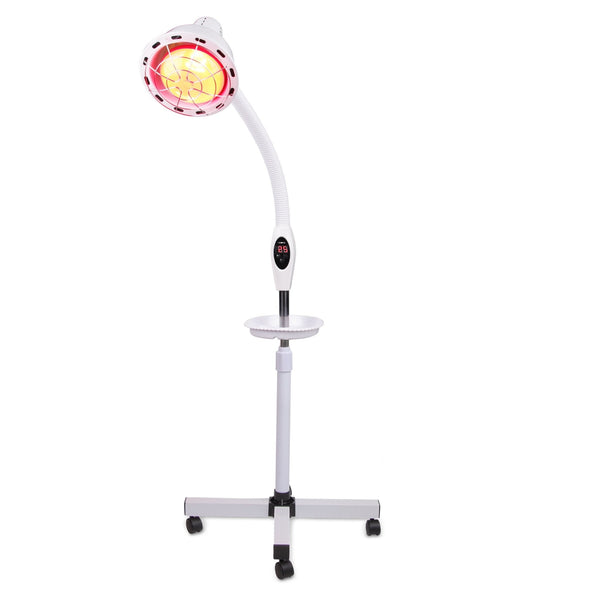
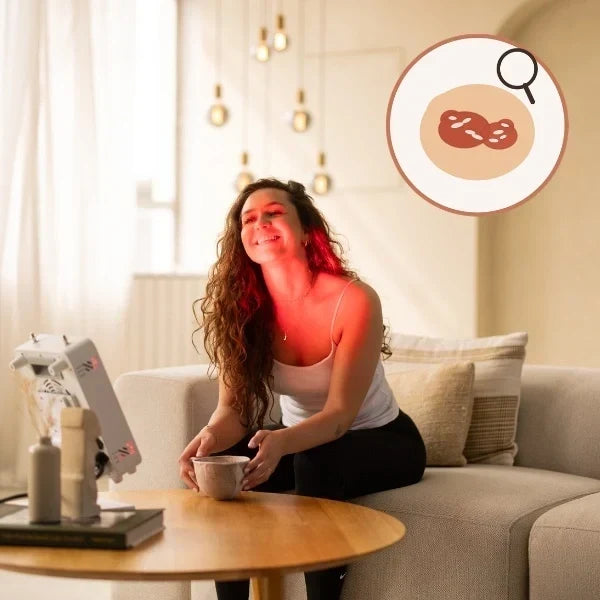
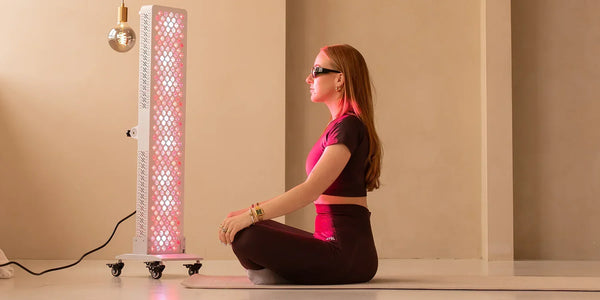
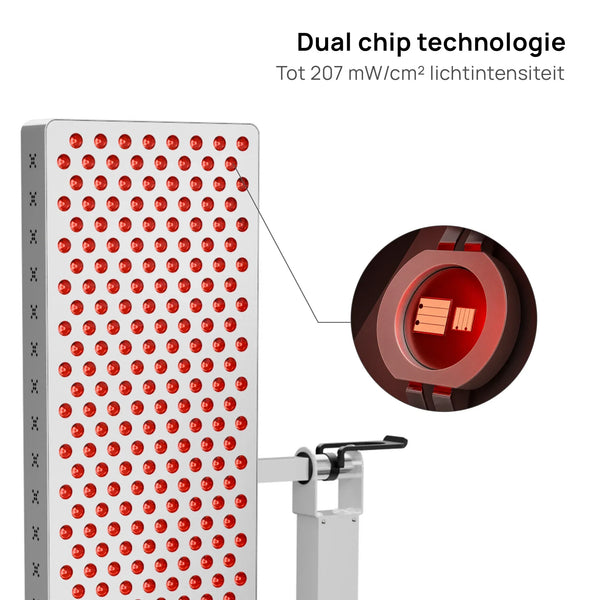
Infrared heat lamps are frequently used to combat muscle and joint pain, but can also provide relief for back pain or abdominal pain, for example. The pleasant warmth of the infrared lamp provides rapid pain relief and improved circulation. Good circulation promotes muscle relaxation.
The wavelengths of infrared rays are converted into comfortable warmth. The radiation does not increase the body's temperature, but warms the skin. The shorter the infrared rays, the more powerful the effect of the infrared light. As the skin's temperature rises, blood circulation speeds up and the heart rate increases. This causes waste products to be removed more quickly.
In addition to muscle and joint pain, it therefore has many other benefits. These include reducing skin diseases and conditions such as wounds, acne and cellulite. In addition, the infrared heat lamp is an effective treatment for stress. The product has a relaxing effect. In addition to affecting your mental well-being, stress also affects physical symptoms. The less stress you experience, the fewer symptoms you have, such as stomach aches, headaches and fatigue.

Rheumatism
Infrared has been used for years to treat painful joints. It is therefore logical to ask whether infrared light also works for rheumatism. The answer is yes. Infrared has a beneficial effect on various forms of rheumatism. Read below about its effects on different forms of rheumatism.
Fibromyalgia
Muscle pain, fatigue, stiffness and various painful areas are all familiar symptoms for someone with fibromyalgia. However, no abnormalities can be found in the muscles, connective tissue or joints. Repeated studies of the disease have shown that people with fibromyalgia experience increased muscle tension. Pain increases in cold conditions and with inactivity. The symptoms are not only physical. Sleep problems, concentration problems and depressive feelings are also common symptoms. Unfortunately, there is no specific treatment for fibromyalgia. Only pain relief and learning to cope with pain can provide relief. A session with infrared equipment may help with this. The radiant heat can reduce physical pain, while the relaxing environment helps ease mental tension.
Arthritis and Bechterew's disease:
Dr. H. Isomaki conducted research in 2008 into the effect of infrared light on arthritis and concluded that infrared has a beneficial effect on muscle and joint pain caused by arthritis, which in turn improves mobility. Better mobility makes people more inclined to adopt a more active lifestyle and leads to a better quality of life. As a result, people truly experience improved mental balance!
Dr. F. Oosterveld, professor at Saxion University of Applied Sciences, and rheumatologist Prof. J.J. Rasker, affiliated with the University of Twente, have also conducted extensive research in recent years into the effects of infrared on diseases such as arthritis and ankylosing spondylitis. They concluded that, after one half-hour infrared sauna session, patients with arthritis experienced a reduction of approximately 40% in stiffness and pain. The same researchers concluded that, for ankylosing spondylitis, pain and stiffness decreased by as much as 50% to 60% during a half-hour infrared sauna session.
Although many issues still require further investigation, according to Dr. Oosterveld, the study served an important purpose: providing rheumatology patients with clarity about how infrared heat works.

Skin conditions
Infrared radiation has a positive effect on many skin conditions and complaints. Infrared stimulates healing, cleansing, and production. Read below about how it works for common conditions and complaints.
Wrinkles
Infrared softens fine lines or wrinkles on the face. This was demonstrated in research by dermatologists Yu Shun Tian, Nan-Hyung Kim, and Ai-Young Lee. Infrared promotes collagen and elastin production in the skin. These are two proteins that keep the skin supple and wrinkle-free.
Wound healing
Infrared promotes the formation of new capillaries, supplying the wound area with oxygen and stimulating the healing process. In addition, infrared therapy helps reduce infection. Dead or damaged cells are cleared away. Damage to the lymphatic system can cause fluid to accumulate under the skin. Infrared stimulates the lymphatic system without overloading it. Not only is the lymphatic system stimulated, but so is fibroblast production. Fibroblast? Yes, a fibroblast is the most important cell in connective tissue and plays an important role in the final healing phase of a wound.
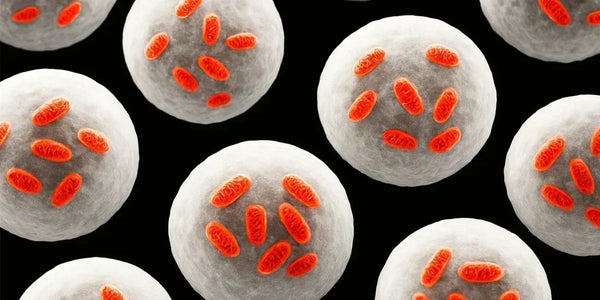
The section about wrinkles mentions collagen. Collagen is not only beneficial for reducing wrinkles. Collagen is the main protein needed in the process of helping wounds heal. In addition, infrared provides cellular energy. The heat stimulates skin cells. Cellular energy is needed to deliver energy to damaged and surrounding cells so they can do what they need to do... heal themselves.
Cellulitis
Cellulite, also known as orange-peel skin, is something almost every woman is familiar with… Google is regularly searched for all kinds of creams for this common problem. It can make us feel insecure and have a major impact on our daily lives. Cellulite consists of gel-like pockets in the subcutaneous connective tissue. The fatty tissue pushes against the connective tissue. The heat of infrared radiation causes these pockets to loosen. They are waste products that the skin wants to eliminate. Infrared therapy is a relatively inexpensive way to feel confident again in your swimwear or when visiting the sauna!

Acne
Acne is usually caused by hormonal changes during puberty. As a result, the sebaceous glands enlarge and produce more sebum. This excessive sebum production, combined with dead skin cells, can cause blocked glands. This results in a blackhead. Its wall can rupture, leading to inflammation of the skin. This inflammation is called a pimple. The skin at the site of the pimple stretches until it bursts, creating small wounds. If acne is severe and persists for a long time, it can even leave scars.
Infrared therapy cleanses the pores through excessive sweating caused by the heat of the infrared lamp. Redness and swelling are also reduced during a session. This happens because blood circulation improves, speeding up the healing process. The body's natural response to warmer temperatures increases the heart rate. As a result, oxygen-rich blood is carried to all the veins and blood vessels. Although infrared therapy is not recommended as the sole treatment for acne, adding infrared sessions can help make the treatment easier.
Eczema
Eczema is the collective term for various skin conditions. Eczema involves inflammation of the skin, causing symptoms such as itching and redness. Infrared therapy makes the body sweat, thoroughly cleansing the pores. Regular use of infrared therapy improves the immune system and helps remove toxins that can cause skin inflammation. Infrared stimulates the skin's healing process and reduces the “fiery patches,” thereby also reducing the itching associated with eczema.
Psoriasis
Psoriasis cannot (yet) be cured. However, the condition can be treated increasingly effectively with medication. There are various types of therapy that can reduce the symptoms, such as infrared therapy. Infrared radiation is harmless radiation that penetrates deeply into the muscles and joints. This warms them and stimulates blood circulation. Infrared radiation removes dead skin cells and reduces skin flaking, which has a beneficial effect on psoriasis.

Stress
When we expose our skin to infrared light, serotonin is released in our bodies. Serotonin, also known as the happiness hormone, is a substance produced by the body itself. Serotonin has a stimulating effect on our bodies. It affects our mood, self-confidence, sleep, orgasms, appetite and much more. Researchers at the University of Wisconsin-Madison believe that the heat stimulating the skin activates the serotonin-producing cells. This causes a change in brain function.
In addition, infrared light stimulates the hypothalamus. The hypothalamus? It is the centre that regulates your sleep, temperature, feelings of hunger and thirst, day-night rhythm, behaviour and memory. When the hypothalamus is disrupted, balance is lost and people experience more stress. A prolonged feeling of stress can, in turn, develop into depression. People suffering from depression have stress-related dysregulation of the hypothalamus. It is therefore extremely important to take good care of this centre!
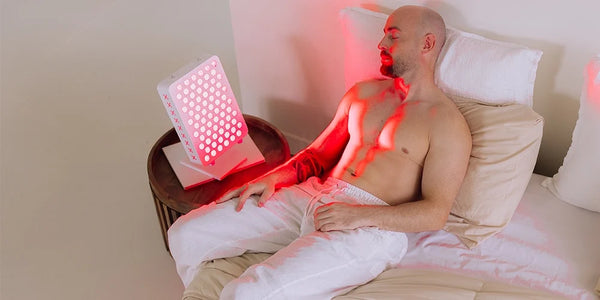
Treatment with infrared heat lamps is relaxing. As we all know, relaxation is one of the best remedies for stress.
We hope that what you wanted to know is now a little clearer! Do you still have questions or would you like to share your experience? You can always ask your questions via info@liroma.nl or share your experiences via the website!
Want to try it yourself? View Liroma's infrared heat lamps. You have 60 days to test at home whether they suit you.
View the infrared heat lamps